
When summer crowds disappear, Oregon does not close its doors—it simply becomes quieter, slower, and often easier on the travel budget.
For older adults who prefer peaceful scenery to packed parking lots, the shoulder seasons can be an ideal time to explore the state. From September through October, autumn colors brighten the forests and daytime temperatures are often comfortable for sightseeing. From late April through May, waterfalls are refreshed by rain and snowmelt, wildflowers begin to appear, and many popular destinations have not yet reached their summer peak.
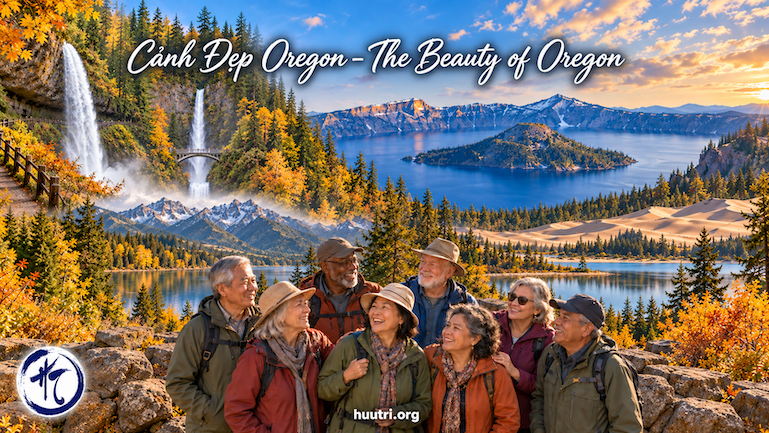 Off-season travel can also mean better room availability, fewer lines, and more time to enjoy viewpoints without feeling rushed. The key is choosing the right place for the right season—and remembering that Oregon’s coast, valleys, and mountains can have very different weather on the same day.
Here are five affordable and memorable Oregon escapes featuring parks, waterfalls, and lakes, with options for both active seniors and travelers who prefer short walks and scenic drives.
1. Silver Falls State Park: Oregon’s Waterfall Wonderland
Best off-season window: Late September through October, or late April through May
About 25 miles east of Salem, Silver Falls State Park is often described as the crown jewel of Oregon’s state park system. Its best-known attraction is the Trail of Ten Falls, a forest route that passes a series of waterfalls—including several that hikers can walk behind.
The entire loop is 7.2 miles with an overall elevation change of about 800 feet, so it may not suit everyone. Fortunately, visitors do not have to complete the full trail. Shorter connecting routes make it possible to see one or two waterfalls and return at a comfortable pace.
For travelers who want a gentler outing, the one-mile North Rim Trail has a wide, compacted surface and a viewpoint overlooking North Falls. The South Falls day-use area also offers picnic tables, restrooms, lawns, and relatively easy access to impressive views. Mid-October is usually the park’s peak period for fall color.
Why it can be affordable: Pack a picnic, pay only the day-use parking fee, and make it a day trip from Salem. Travelers who want to stay overnight can choose campsites or year-round cabins, including accessible cabins.
Senior tip: Waterfall trails can be wet and slippery even when it is not raining. Wear shoes with good traction, use trekking poles if helpful, and never cross barriers or leave marked trails for a photograph.
2. Columbia River Gorge: Big Waterfalls Without a Long Hike
Best off-season window: October through early November, or March through May
The Columbia River Gorge is one of the easiest places in Oregon to enjoy dramatic scenery from the road. The Historic Columbia River Highway links viewpoints and waterfalls, making it possible to create a flexible day trip from Portland.
Multnomah Falls is the star: a two-tier waterfall dropping beside a historic lodge and the famous Benson Bridge. The main lower viewpoint requires only a short walk from the plaza. In winter and spring, the falls are often at their strongest, while visits after the busy summer permit season can be less complicated.
Add nearby Latourell Falls, Bridal Veil Falls, or the panoramic Crown Point Vista House if weather and energy allow. Travelers who prefer minimal walking can still enjoy a rewarding day by selecting overlooks and the shortest paths.
Why it can be affordable: The Gorge works well as a self-guided driving excursion. Bring water and snacks, share the trip with friends, and stay outside central Portland if lodging prices are lower.
Senior tip: Rain, fallen leaves, and freezing temperatures can make paths slick. Check road conditions before leaving, avoid waterfalls during ice storms, and remember that parking fills even outside summer on sunny weekends.
3. Wallowa Lake and Joseph: Oregon’s Peaceful “Little Switzerland”
Best off-season window: September through early October
In northeastern Oregon, Wallowa Lake rests beneath a wall of alpine peaks. The setting feels grand, but the pace is gentle. Visitors can picnic beside the lake, fish, photograph the mountains, watch wildlife from a respectful distance, and explore the nearby town of Joseph, known for its bronze art and Western character.
Wallowa Lake State Park has a large day-use area, picnic tables, a beach, fishing access, and accessible camping options. Two accessible yurts and several campsites remain available year-round, although services are reduced in the colder months.
September is especially attractive: the summer rush is fading, daytime weather may still be pleasant, and the road trip through eastern Oregon becomes part of the experience. By late fall, however, nights can be cold and some tourism businesses operate on limited schedules.
Why it can be affordable: A yurt or simple cabin-style stay can reduce lodging costs, particularly for friends sharing the space. Picnics and grocery-store meals can keep food expenses manageable.
Senior tip: Wallowa Lake is fed by snow runoff and remains cold. Enjoy the shore, but do not assume calm-looking water is warm or safe. Also keep your distance from deer; they are wild animals and can become aggressive, particularly during the fall mating season.
4. Crater Lake National Park: Visit at the Edge of the Season
Best off-season window: After Labor Day through early October, depending on weather
Crater Lake is the deepest lake in the United States and one of the most unforgettable sights in the Pacific Northwest. Its intense blue water fills the caldera of an ancient volcano, surrounded by cliffs and evergreen forest.
For older travelers, the pleasure of Crater Lake does not require a strenuous hike. When roads are open, Rim Village and scenic overlooks provide extraordinary views close to parking areas. A slow drive with frequent stops can be more enjoyable than trying to complete a demanding trail.
Crater Lake needs special planning because winter can begin in October and snow can linger into July. Roads, trails, food service, lodging, and fuel availability change with the season. This makes early fall a better “off-season” choice than late fall or winter for most seniors.
Why it can be affordable: U.S. citizens and permanent residents age 62 and older can purchase an America the Beautiful Senior Annual Pass for $20 or a Senior Lifetime Pass for $80. The pass covers entrance and standard day-use fees at participating federal recreation sites and may provide discounts on some additional amenities.
Senior tip: Fill the gas tank before entering the park, carry water and warm layers, and download maps in advance because cell service can be limited. Always check the National Park Service’s current road, smoke, and weather information on the morning of the visit.
5. Jessie M. Honeyman Memorial State Park: Two Lakes Beside the Oregon Dunes
Best off-season window: September through November, or March through May
Three miles south of Florence, Jessie M. Honeyman Memorial State Park combines coastal forest, sand dunes, and two freshwater lakes—Cleawox Lake and Woahink Lake.
Cleawox Lake has picnic areas, a flat sandy shore, and an accessible fishing pier. A half-mile historic trail connects the lake’s picnic areas and campground, while other routes lead toward Woahink Lake. In spring, rhododendrons add color; in fall, huckleberries and blackberries ripen.
This is a good destination for travelers who want to experience the Oregon Coast without spending every hour on windy ocean beaches. Florence also provides restaurants, lodging, and a pleasant Old Town area along the Siuslaw River.
Why it can be affordable: The park has year-round camping and yurts, including accessible sites and yurts. Travelers who camp in an Oregon state park do not need to purchase a separate state-park day-use parking permit during their stay.
Senior tip: Boat rentals and some facilities operate seasonally. Check the park page before traveling. The park is scheduled to close its campground loops and day-use areas in January and February 2027 for utility and tree work, so confirm current conditions before making reservations.
How to Make an Oregon Trip More Affordable
- Travel Sunday through Thursday. Weekday hotel and cabin rates are often more favorable, and popular viewpoints are usually quieter.
- Choose one region instead of crossing the entire state. Oregon is larger than it looks. Staying in one area saves fuel and leaves more time for relaxing.
- Share a cabin, yurt, or vacation rental. Two couples traveling together can divide lodging and transportation costs.
- Pack breakfast and lunch. A picnic beside a lake or waterfall can be both cheaper and more memorable than another restaurant meal.
- Use the right pass. The federal Senior Pass is useful at participating national parks, national forests, and other federal lands, but it is not valid for Oregon State Parks parking fees. Many Oregon state parks have free day use; parks that charge currently require a daily parking permit unless the visitor is camping there.
- Reserve refundable lodging. Shoulder-season weather can change quickly, especially near Crater Lake and the Wallowas.
A Gentle Oregon Itinerary for First-Time Visitors
For a comfortable four- or five-day trip, use Portland or Salem as a starting point:
- Day 1: Arrive, rest, and enjoy a relaxed neighborhood dinner.
- Day 2: Drive the Columbia River Gorge and visit Multnomah Falls and Crown Point.
- Day 3: Explore Silver Falls State Park, choosing the accessible North Rim Trail or a short waterfall route.
- Day 4: Drive to Florence and enjoy Cleawox Lake, the dunes, and Old Town Florence.
- Day 5: Take a leisurely coastal drive before returning home.
Wallowa Lake and Crater Lake are better planned as separate trips because both require longer drives and deserve more than a hurried stop.
The Reward of Traveling Slowly
Off-season Oregon is not about checking the greatest number of attractions off a list. It is about hearing a waterfall without a crowd behind you, watching mist lift from a quiet lake, sharing coffee beside a cabin, and having enough time to stop whenever the scenery asks you to.
For older travelers, that slower rhythm can transform an affordable vacation into a deeply refreshing experience. Bring layers, allow flexibility, and let Oregon reveal itself one waterfall, forest, and blue lake at a time.
-Lê Nguyễn Thanh Phương-
Official Planning Sources
- Oregon State Parks — Silver Falls State Park: https://stateparks.oregon.gov/index.cfm?do=park.profile&parkId=151
- Recreation.gov — Multnomah Falls Timed Use Permit: https://www.recreation.gov/timed-entry/10089144
- Oregon State Parks — Wallowa Lake State Park: https://stateparks.oregon.gov/index.cfm?do=park.profile&parkId=20
- National Park Service — Crater Lake current conditions: https://www.nps.gov/crla/planyourvisit/conditions.htm
- Oregon State Parks — Jessie M. Honeyman Memorial State Park: https://stateparks.oregon.gov/index.cfm?do=park.profile&parkId=95
- National Park Service — Senior Passes: https://www.nps.gov/planyourvisit/senior-pass-changes.htm
- Oregon State Parks — Day-use parking permits: https://stateparks.oregon.gov/index.cfm?do=visit.parking
Travel information and fees can change. Check official park pages, weather forecasts, wildfire conditions, and Oregon TripCheck before departure.