
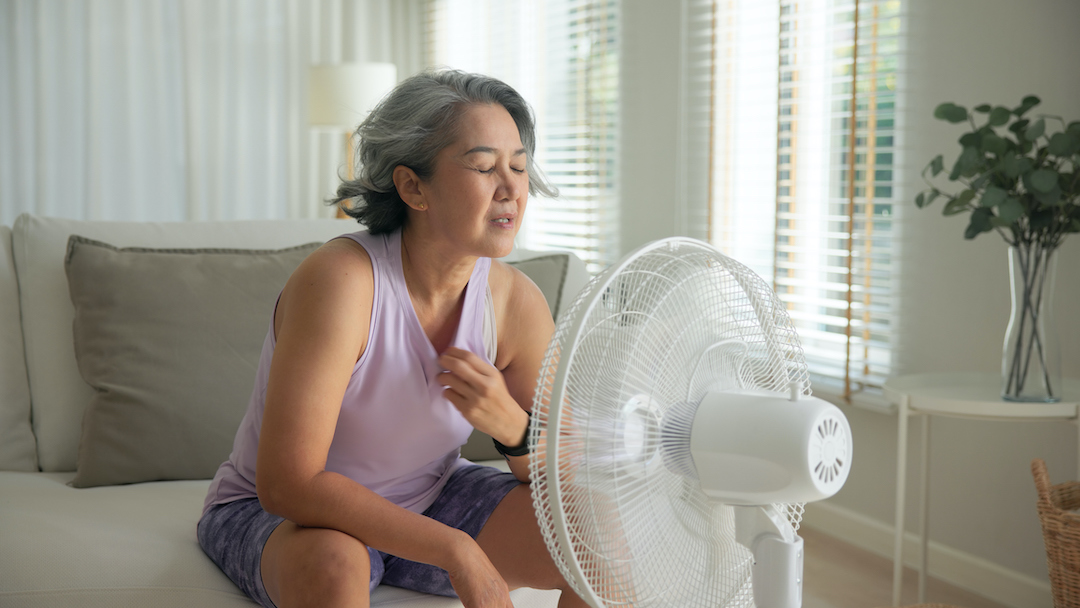
As summer temperatures climb, older adults face increased risks from heat, dehydration, medication effects, and more. Here are 20 practical suggestions across key categories—food & drink, medication, clothing, exercise, sleep, and home cooling solutions—to help seniors stay safe and comfortable this season.
1. Hydrate Early and Often
Start sipping water before you feel thirsty. Aim for six to eight glasses daily, and consider adding electrolyte-rich drinks, especially after any activity
2. Eat Water-Rich, Easy-to-Digest Foods
Focus on fruits like watermelon, grapes, and cucumbers, plus leafy salads, to help hydration and digestion .
3. Limit Caffeine, Alcohol & Sugary Drinks
These can cause fluid loss. Stick with water, clear juices, or lightly flavored infused water
4. Monitor Medication Effects
Some medications (diuretics, anticholinergics, antihypertensives, SSRIs) can impair temperature regulation. Talk to your doctor about adjusting doses or timing
5. Check with Your Doctor About Fluid Needs
If on fluid-restricted regimens or water pills, doctor advice is essential before increasing fluid intake during heat
Clothing & Sun Protection
6. Choose Loose, Light-Colored, Breathable Fabrics
Light colors and breathable fabrics like cotton or linen help reflect heat and promote airflow
7. Wear Wide-Brimmed Hats & UV Sunglasses
Protect skin and eyes from sun damage—even in partial shade
8. Use Broad-Spectrum Sunscreen (SPF 15+)
Apply generously and reapply every two hours, especially if sweating
Exercise Smartly
9. Avoid Peak Heat Hours (10 a.m. – 4 p.m.)
Schedule walks or garden sessions early morning or evening when temperatures are lower
10. Take It Easy & Slow Down
Skip vigorous activity during heat. Opt for gentle morning stretches, short walks, or light gardening .
11. Cool Down While Exercising
Bring water, wet towels, or use a portable fan during exercise sessions
12. Try Water-Based Activities
Swimming or sprinkler play is great low-impact exercise with natural cooling .
Sleep & Rest
13. Create a “Cool Corner” for Airflow
If AC isn’t an option, stay in a shaded, well-ventilated corner—especially at night when rest is essential .
14. Take Cool Showers, Sponge Baths, or Foot Soaks
These quickly lower body temperature before sleep or after being outside
15. Use Lightweight Bedding and Breathable Sheets
Switch to cotton or bamboo sheets to improve airflow and comfort
Home Cooling & Safety
16. Use Fans Strategically (Not Solely)
While helpful, fans aren’t substitutes for cooling—combine with wet towels or spray mist for best effect .
17. Try Evaporative (Swamp) Coolers if You Live in Dry Climates
These are affordable but increase humidity—avoid them in already humid areas
18. Seek Cooling Centers or Public AC Spaces
Visit libraries, senior centers, malls, or theaters during heat waves
19. Apply for Low-Income Energy Assistance (LIHEAP)
Seniors on limited incomes may get help affording window AC units or electrical costs .
20. Reduce Heat Sources Indoors
Avoid using ovens or dryers during hot hours; close blinds early to block sun; cook outdoors when possible .
Recognize Heat Illness Signs
- Heat exhaustion symptoms: heavy sweating, cramps, nausea, dizziness—cool off and rehydrate promptly
- Heat stroke symptoms: confusion, slurred speech, fainting—call 911 immediatelyFinal Thoughts
Summertime needn’t be worrisome. By:
- staying hydrated,
- watching medications,
- dressing wisely,
- planning light activities,
- cooling your space smartly,
- and staying alert to early warning signs—
seniors can significantly reduce the risk of heat-related issues, even without central AC.
Stay safe, healthy, and cool this summer!
-Phan Trần Hương-
For Further Reading
- National Weather Service – Heat Safety Tips aging.ca.gov+2beaumontenterprise.com+2navionseniorsolutions.com+2
- CDC – Heat & Older Adults cdc.gov
- Banner Health – Summer Safety Tips for Seniors bannerhealth.com+1navionseniorsolutions.com+1
- Health in Aging – Hot Weather Safety for Older Adults