
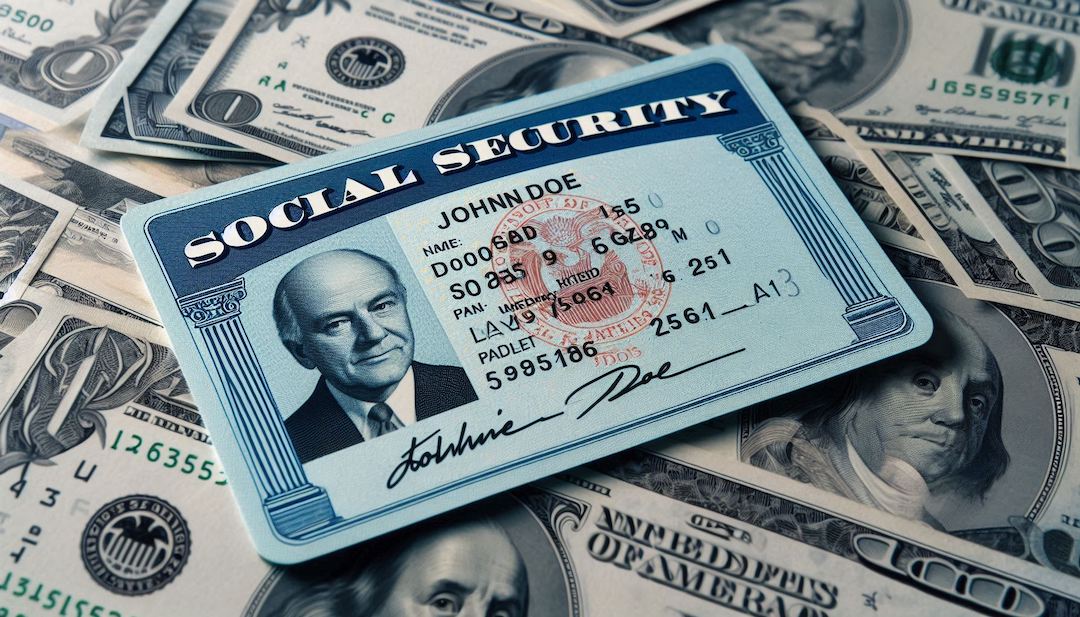
The Social Security Act was signed into law by President Franklin D. Roosevelt on August 14, 1935, as part of the New Deal. It was meant to be a federal safety net for elderly Americans, and for unemployment, widows/families, and poverty relief.
At that time, millions of elderly people live in poverty; older age was a major risk, with little savings or pension system.
The idea drew on “social insurance” traditions from Europe, where governments had begun, in the late 19th/early 20th centuries, to insure risks like old age, disability, death.
Initially, Social Security covered retired workers over 65 and unemployment insurance; over decades it expanded to include disability insurance, survivors, dependents, and cost-of-living adjustments, among other features.
The Current Landscape: Strengths & Challenges
What Social Security Does Well
- Poverty Reduction for Older Americans
- It has dramatically reduced the rate of poverty among the elderly. Prior to Social Security, over half of Americans over 65 lived in poverty; now, far fewer do.
- It provides a predictable, inflation-adjusted (via cost-of-living adjustments) income stream, which many retirees depend on.
- Insurance for Survivors, Disabled, Dependents
- It isn’t just retirement: Social Security includes disability insurance, survivors benefits, and benefits for family members in certain cases.
- Universal, Broad-based Contribution
- Funded by payroll taxes on current workers/employers. This “pay-as-you-go” model creates widespread buy-in. Everyone pays in, and many benefit.
- Political & Social Stability
- Because of its importance, it is politically durable; people expect that benefits will continue. It plays a foundational role in retirement planning for Americans.
What’s Not Working (or What’s Risky)
- Demographic Shifts / Aging Population
- Longer life expectancies; lower birth rates; fewer workers per beneficiary. This shifts the ratio of contributors to beneficiaries, increasing costs.
- Projected Financial Shortfall / Insolvency Risk
- The trust funds (especially for Old-Age and Survivors Insurance) are projected to run out in the not terribly distant future (various reports say around 2033-2034) if no reforms are enacted. After depletion, incoming payroll tax revenue would cover only a portion of scheduled benefits.
- Inflation, Healthcare Costs, Price Pressures
- Retirees face rising costs—especially for health care—which may not always be fully addressed by standard cost-of-living adjustments. Also, wage growth or economic growth less robust than expected can affect revenue.
- Political Difficulty / Delay in Reform
- While many agree something must be done, changes to benefits, taxes, or eligibility age are politically sensitive. Delays exacerbate the problem, because reforming earlier allows more gradual adjustments.
Where It’s Headed: Reform Proposals & Possibilities
There are a variety of ideas about how to keep Social Security sustainable and strong. Some are more conservative; others more progressive. Here are the main buckets:
| Reform Idea | What It Involves | Possible Upside | Possible Downside |
|---|---|---|---|
| Raise payroll taxes or expand the taxable wage base | Either increase the percentage workers/employers pay, or remove/raise the income cap above which wages aren’t taxed. | More revenue; preserves benefit levels. | Tough on those with higher incomes; politically unpopular; may have economic drawbacks. |
| Reduce benefits | For future retirees, perhaps smaller payments; change benefit formula; slower growth of benefits for certain groups. | Lowers long-term costs; possibly more politically feasible if phased in. | Could harm people who depend heavily on Social Security; risk of poverty among retirees; fairness concerns. |
| Change eligibility age | Gradually increase retirement age, perhaps reflecting longer lifespans. | Saves costs by reducing years of payouts; aligns with longer life expectancy. | Harder physical jobs may not allow people to work longer; fairness across demographic groups is an issue. |
| Index benefits differently | For example, move from wage indexing to price indexing (cost of living) for benefit growth, or adjust the formula to favor lower income recipients. | Slower growth of payouts; could preserve purchasing power for those who need most. | Could erode benefit value over time for many; seen as a cut in all but name. |
| Partial privatization or individual accounts | Let individuals invest a portion of contributions in personal accounts (stocks, bonds, etc.) | Potentially higher returns; more ownership/control. | Financial risk; administrative cost; unequal outcomes; complexity. |
| Alternative revenue sources | General revenues, new taxes (e.g., on wealth, investment income), or dedicated taxes (carbon tax, etc.). | Spreads burden; could relieve pressure on payroll taxes. | Politically difficult; may shift the burden to non-workers; potential for unintended consequences. |
The Debate: Proponents & Opponents
To be fair, here are some of the arguments on both sides, what people who support keeping current levels say, and what critics argue.
What Supporters of Maintaining or Expanding the Program Argue
- Social Security is not just a welfare program; many people have paid into it all their working lives and depend on it. Cuts would betray public trust.
- It prevents elderly poverty, especially among vulnerable populations (women, lower income, minorities).
- Social Security is relatively efficient and predictable; its administrative costs are low compared to many private retirement savings schemes.
- Having a guaranteed base income for retirees is socially stabilizing—helps with inequality, reduces dependence on other welfare programs.
- The idea that it’s a “debt” or “liability” is often overstated; incoming payroll taxes + trust fund interest + potential reforms can keep it viable.
What Critics or Skeptics Say / Concerns
- The program represents a growing unfunded liability; without reform, future generations will face either large tax increases or benefit cuts.
- Some argue that Social Security distorts work incentives; for example, people may retire earlier than they would otherwise, affecting labor supply.
- With demographic shifts, the burden on younger generations (fewer workers per retiree) can be large and unfair, especially if those workers aren’t well off.
- Opportunity cost: money tied up in payroll taxes that could otherwise go into private savings, investments, or used in other government priorities.
- Also, some say that benefit formulas or adjustments favor certain groups, or leave out people with non-standard careers (gig workers, intermittent employment) or with lower lifetime contributions.
Why Sustaining Social Security is Important
Even with the challenges, sustaining Social Security matters for many reasons:
- Retirement Security: For many, it is the bedrock of retirement planning, especially for those without large private pensions or savings.
- Economic Stability: Retired people spend money; benefits help support consumer demand, health care, housing, etc.
- Social Equity: Helps buffer inequality; ensures that people who may not have had opportunities for private savings still have some income in old age.
- Political & Moral Compact: The idea that people who worked their lives will have something to live on in old age is part of the social contract.
Potential Downsides / Risks If Status Quo Continues
- Benefit cuts of ~20-25% (or whatever number current projections suggest) if trust funds deplete and only payroll taxes are available.
- Increase in payroll tax burden, possibly hurting take-home pay, especially for middle-income workers.
- Intergenerational tension or perceptions of unfairness.
- Reduced adequacy of benefits: inflation, rising health costs, housing may outpace benefit adjustments.
- A possibility of undermining public confidence if promises are perceived as broken.
Where We Might Be Heading
- If reforms are passed, they are likely to be incremental, phased in, spread over years, partly to soften political resistance.
- Changes might combine several of the proposals above—e.g., a bit higher payroll tax, gradual increases in retirement age, benefit adjustments for higher earners, more means-testing, etc.
- Alternatively, if Congress delays, more abrupt cuts or steep tax increases may become unavoidable.
There’s no perfect solution. It’s a question of trade-offs:
- Protecting retirees from poverty vs. placing burdens on younger workers
- Maintaining promised benefits vs. keeping the system affordable over decades
- Ensuring fairness across income levels, work histories, life expectancies
If you believe in security for seniors, social equity, and continuity of promises, staying with a strong Social Security (perhaps reformed) has strong appeal. If you believe in minimizing tax burdens, maximizing individual choice, or worry about intergenerational fairness, more radical reforms or cuts might seem more justified.
-Nguyễn Bách Khoa-
References & Further Reading
If you want to dig deeper, here are good sources:
- Social Security Administration history pages: Historical Background and Development of Social Security.
- Key dates & timeline: Nasi’s “Key Dates in the History of Social Security” history timeline.
- Recent analytic pieces:
• “Rethinking Social Security from a Global Perspective” (Cato Institute) C
• “Solutions for Social Security Sustainability” (Peter G. Peterson Foundation) - • GAO blog “There Are Options for Reforming Social Security, But Action Needed Now”
• “The Common Sense of Social Security Reform” (Hoover Institution)