
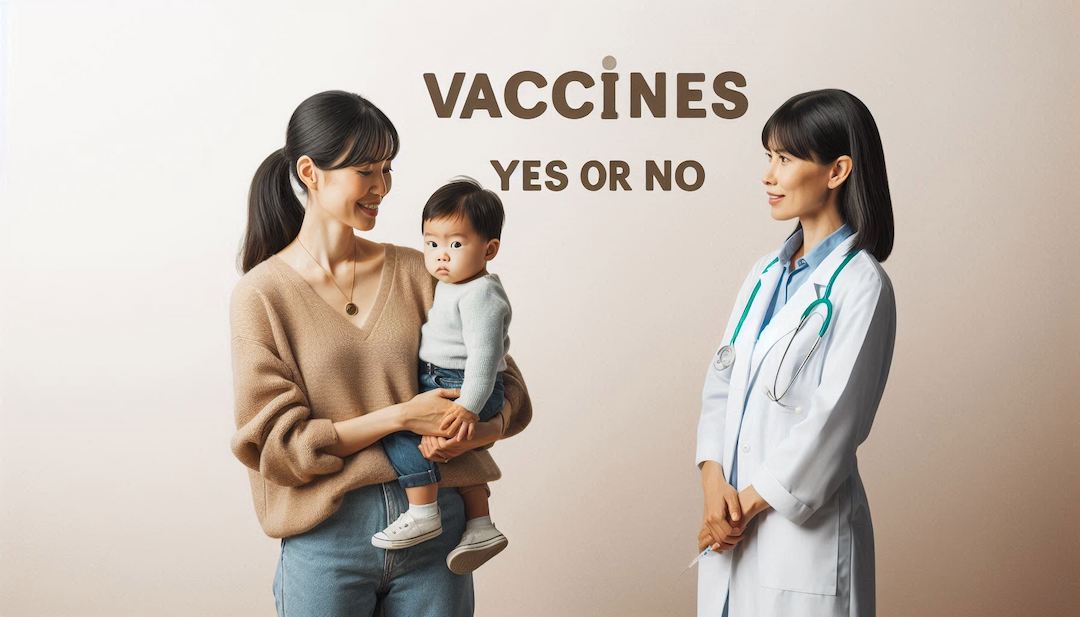
Since the day English scientist Edward Jenner first invented the smallpox vaccine in 1796—more than two centuries ago—humanity has made tremendous strides in the fight against deadly diseases. Yet it wasn’t until 1940, with the discovery of influenza B, that the flu vaccine became a reality.
History reminds us just how devastating pandemics can be. In 1918, the global flu pandemic claimed an estimated 100,000 lives, second only to the Black Death, which killed about 200,000. And most recently, we all witnessed the toll of COVID-19: 7,101,070 deaths worldwide, including 1,227,230 in the United States, according to WHO.
So the big question is—what would our world look like without vaccines?
Thankfully, science has given us powerful tools to protect against many once-deadly illnesses. Today, newborns are vaccinated against life-threatening diseases before they even leave the hospital.
- Within 24 hours of birth: Babies receive their first hepatitis B shot and protection against RSV (respiratory syncytial virus).
- At 1–2 months: Vaccines protect against tetanus, whooping cough, Hib, polio, and rotavirus.
- At 4 months: Second or third doses strengthen immunity.
- At 6 months: Additional boosters plus the option for COVID-19 vaccination.
- At 7–11 months: Babies can get their first flu shot.
- At 12–23 months: Vaccines guard against chickenpox, measles, and hepatitis A.
By the time children are ready for school, their immune systems can protect against 16 preventable diseases—including diphtheria, polio, measles, rubella, mumps, influenza, COVID-19, and more. This incredible milestone is the result of decades of research and millions of case studies worldwide. Vaccinated children not only protect themselves but also help shield their classmates and communities.
The American Academy of Pediatrics endorses these guidelines, provided all vaccines meet FDA safety standards. Adults, too, are encouraged to get annual flu shots.
But this isn’t a universal reality. Around the globe, one in five children still miss essential vaccinations, leaving them vulnerable to preventable illnesses. And now, in the U.S., a new debate is shaking the system—Florida recently announced it is ending all vaccine mandates.
Florida Says “No” to Mandates
At a September press conference, Florida Surgeon General Joseph Ladapo declared: “The Florida Department of Health, together with Governor DeSantis’ office, is working to eliminate all vaccine mandates in the state—not just one, but every single one.”
Calling vaccine mandates “demeaning and enslaving,” Ladapo challenged: “Who am I, as a government official—or anyone else—to tell you what must be injected into your body? Your body is a gift from God.”
Governor Ron DeSantis added that Florida is launching the MAHA Initiative—“Make America Healthy Again”—to prioritize medical freedom, informed consent, parental rights, and market innovation.
It’s important to note that Florida is not banning vaccines. The state is simply removing government mandates, leaving the decision up to individuals.
This move has sparked fierce debate. Supporters applaud it as a victory for personal freedom. But pediatricians and public health experts warn it could lead to a resurgence of preventable diseases like measles, polio, and chickenpox—diseases long kept under control by school immunization requirements. Pharmaceutical companies that have benefited from mandatory vaccination laws also oppose the policy shift.
The Politics of Public Health
The issue has now become a national political flashpoint. Seven Democrat-led states—including Connecticut, Massachusetts, New Jersey, New York, Pennsylvania, and Rhode Island—have formed a coalition to resist federal health policy rollbacks, particularly on vaccines.
California, Hawaii, Oregon, and Washington previously created the West Coast Health Alliance, pledging to share reliable public health information free from political interference.
Blue-state health leaders continue to recommend COVID-19 vaccines for infants, toddlers, and adults, though at the federal level, Health Secretary Robert F. Kennedy Jr. has removed COVID-19 shots from the routine immunization schedule for healthy children and pregnant women. Instead, vaccination is now focused on seniors 65+ and those with high-risk conditions.
Massachusetts Governor Maura Healey vowed: “We will not let Donald Trump or Robert Kennedy take away your right to decide on your health care. Massachusetts will remain a leader in science and vaccine access.”
New York Governor Kathy Hochul echoed: “While Washington attacks science, New York will ensure every resident has access to COVID-19 vaccines and accurate information to stay safe and healthy.”
A Nation Divided
Ironically, conservative Florida is taking a “hands-off” approach, giving residents the freedom to opt out of vaccines—while progressive Blue States are doubling down on mandates and keeping strict requirements in place.
The latest development? Secretary Kennedy’s vaccine advisory panel has now recommended that COVID-19 shots be left to personal choice, much like annual flu shots. The FDA has further limited eligibility to those over 65 or younger people with medical risk factors—others would now need a doctor’s prescription to get vaccinated.
—Đức Hà, for HuuTri.org –
*Title inspired by Shakespeare’s famous line: “To be or not to be, that is the question.”
Sources:
Quotes from Dr. Lapado & The Governor
https://www.ntd.com/florida-to-end-vaccine-mandates_1088617.html
Quotes from the governors of MA and NY
https://www.newsmax.com/newsfront/blue-states-vaccine/2025/09/18/id/1226975/
Health Secretary Robert F. Kennedy Jr.’s new vaccine advisers announced Friday that they would not issue a recommendation for or against COVID-19 vaccinations this fall, instead leaving the decision to individuals.
https://www.newsmax.com/#!newsmax/section/19