
When Elena Carter, a 28-year-old pastry student from Atlanta, Georgia, stepped off the train at Gare du Nord, she wasn’t just visiting France — she was chasing a dream.
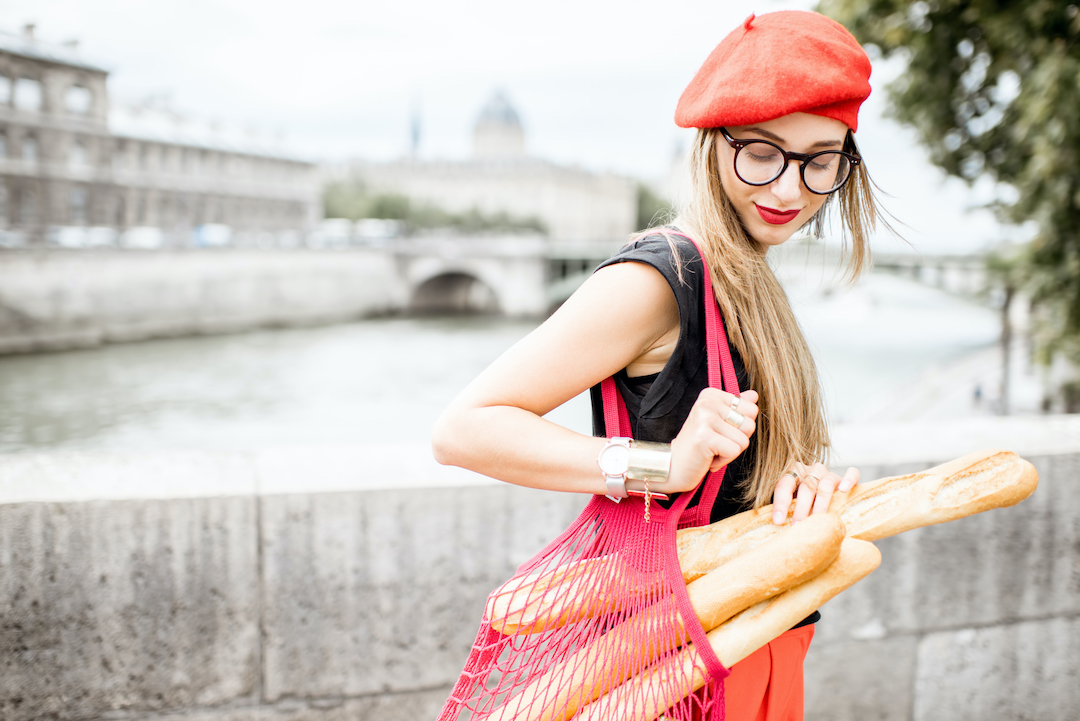
For years, she had studied pastries, tarts, and croissants at culinary school in the U.S., but something about the French baguette — its simplicity, aroma, and unmistakable crackle — fascinated her most. “I wanted to know how something made from just flour, water, yeast, and salt could taste like art,” she said.
Morning in Montmartre – Discovering the Tradition
Her first morning began at Le Grenier à Pain on Rue des Abbesses, Montmartre — a boulangerie known for winning the Best Baguette in Paris. The air smelled of freshly baked bread, butter, and roasted coffee. She stood quietly, watching locals greet the baker by name and walk away with warm baguettes tucked under their arms.
Biting into her first baguette de tradition, Elena was amazed. The crust shattered delicately, giving way to a light, chewy interior that tasted slightly nutty and sweet. It was simple perfection. “This isn’t just bread,” she whispered to herself, “it’s history, it’s daily life.”
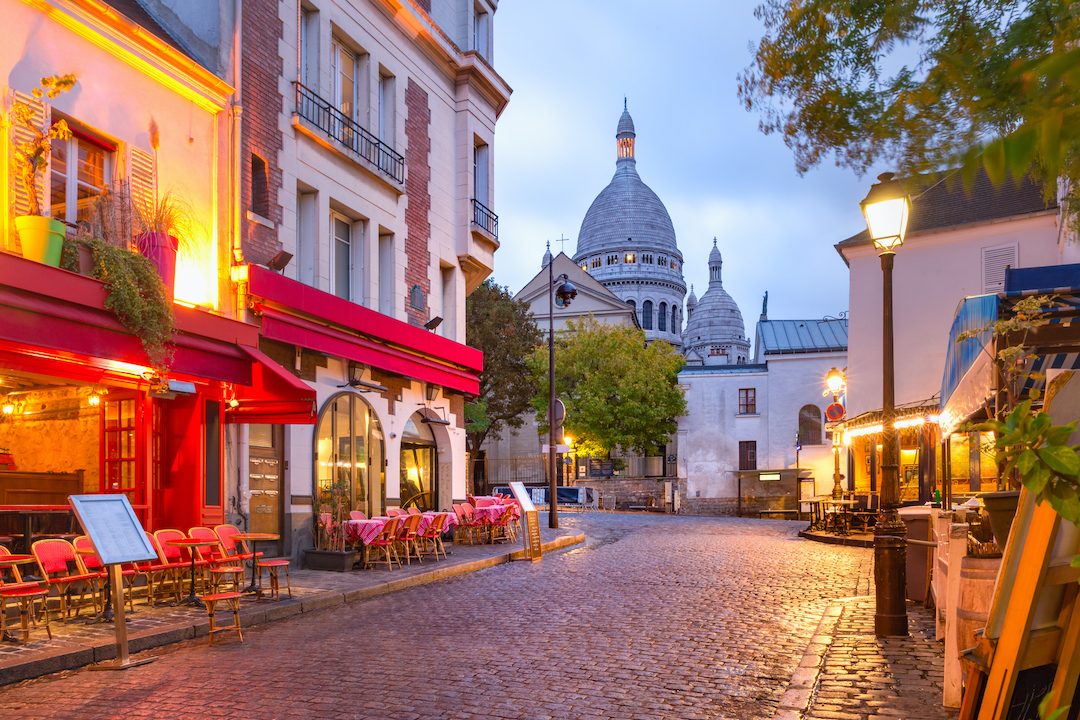
After her first breakfast, she wandered up the cobblestone streets toward Sacré-Cœur Basilica, the morning light glinting off its white domes. With her baguette in hand and Paris spread beneath her, Elena felt as though she was tasting the spirit of France itself.
Midday – Learning the Recipe Behind the Magic
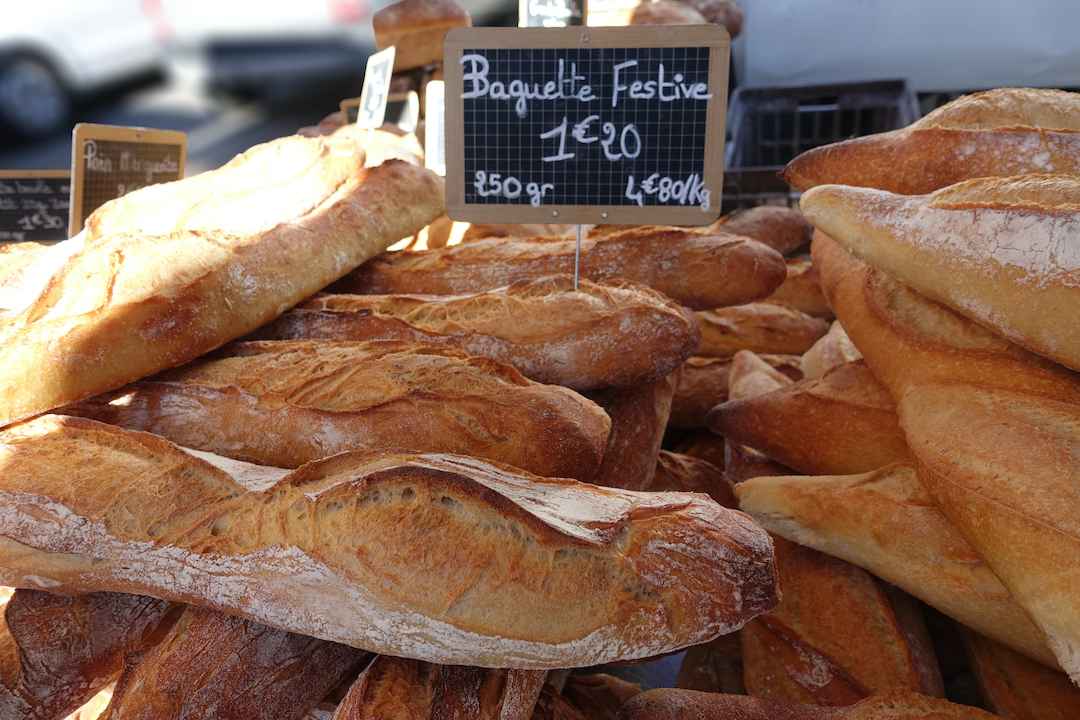
At Au Levain d’Antan, another famous Montmartre bakery, Elena spoke with a baker about what makes the French baguette so different from others around the world.
“It’s all about patience,” he said. “We don’t rush fermentation. We use Type 55 flour — it has less mineral content — and we never add anything but salt, yeast, and water.”
Elena scribbled notes in her little brown journal. Back home in Atlanta, she had struggled to replicate that crisp crust and airy crumb. Now she realized — it wasn’t just technique; it was philosophy.
As she bit into a saucisson-beurre (cured sausage and butter sandwich), she smiled. The combination was rustic, rich, and incredibly French — the kind of food that makes you slow down and savor.
Afternoon in Saint-Germain – The Art of Pairing
Eager to understand how the French elevate simplicity, Elena took the metro to Saint-Germain-des-Prés and visited La Parisienne, where she ordered a jambon-beurre — a baguette sandwich with ham and butter that every Parisian swears by.
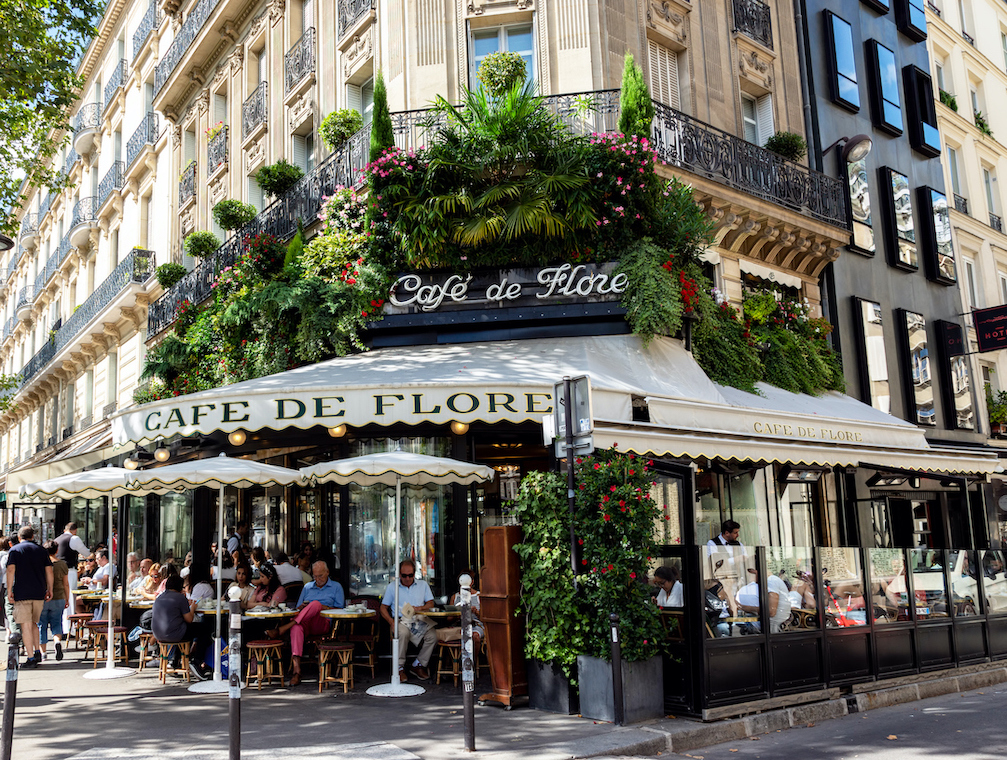
At Café de Flore, she watched writers, artists, and travelers mingle over coffee and wine. She paired her baguette with camembert, brie, and a glass of Beaujolais. “It’s the pairing,” she noted in her journal, “the way cheese, wine, and bread tell a story together — it’s harmony on a plate.”
Evening in Montmartre – Inspiration and Reflection
Returning to Montmartre, Elena stopped by Boulangerie Mauvieux, winner of another Grand Prix de la Baguette de Paris. She bought a fromage & crudités baguette — cheese with crisp vegetables — and sat at Place du Tertre, watching painters sketch and musicians play.
The evening sun turned the rooftops gold as she tore the last piece of baguette and thought, This is what makes the French baguette famous — it’s more than bread. It’s culture, connection, and everyday joy.
The Heart of the Baguette – Simplicity Meets Culture
Elena realized that the baguette’s fame wasn’t built on luxury but authenticity.
- The Ingredients: Just four — flour, water, yeast, and salt.
- The Method: Long fermentation, hand-kneading, and baking at high heat.
- The Result: A golden crust, light interior, and flavor that feels alive.
When paired with French cheese, wine, or pâté, it becomes a cultural expression — rich, timeless, yet surprisingly affordable.
A Dream for Atlanta
Back home, Elena hopes to open a small bakery that captures this je ne sais quoi — that intangible French magic. “Atlanta is growing, it’s diverse,” she said. “I want to bring a piece of Paris home — the idea that a simple baguette, shared with friends, can make life feel extraordinary.”
She left Paris not just with recipes, but with a new understanding: that the French baguette isn’t simply baked — it’s lived.
-Vũ Thanh Thuỷ-