
For people in their 50s preparing for retirement, cryptocurrency may seem both fascinating and intimidating. While traditional portfolios focus on stocks, bonds, and 401(k) accounts, a growing number of investors are exploring digital currencies as part of their long-term strategy. But before diving in, it’s essential to understand what cryptocurrency is, where it came from, and what risks and opportunities it carries.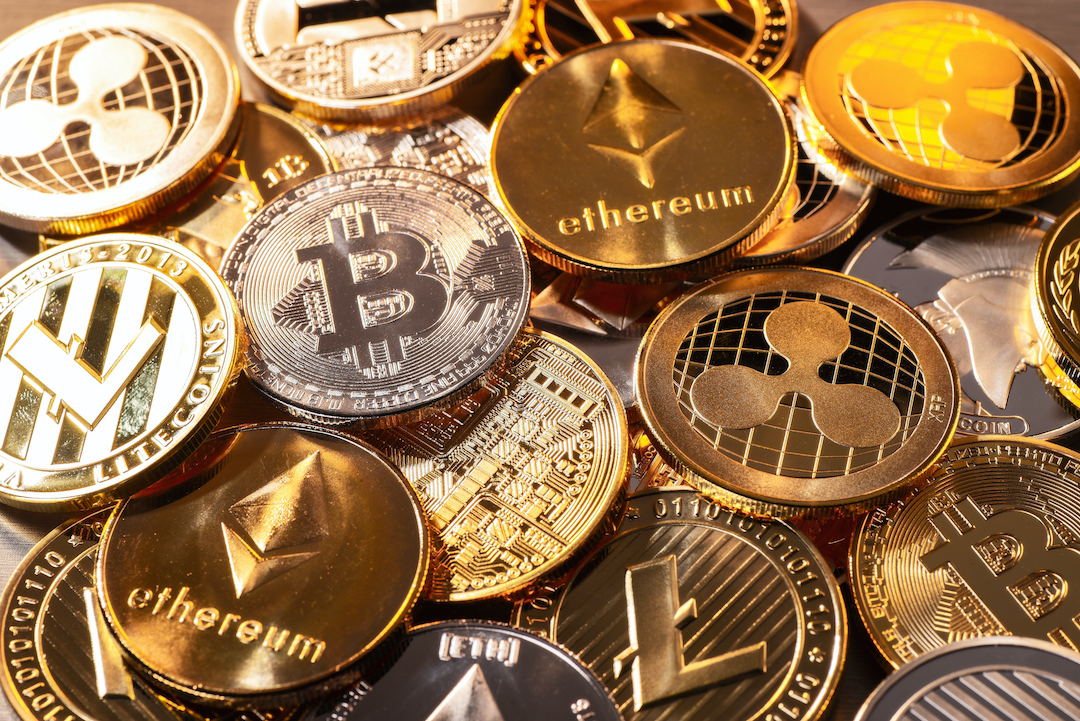
Cryptocurrency is a digital or virtual form of money that uses blockchain technology — a decentralized ledger that records transactions securely across multiple computers. Unlike traditional money, cryptocurrencies are not issued by any government or central bank, which means they can operate outside traditional financial systems.
The first and most famous cryptocurrency, Bitcoin, was introduced in 2009 by an anonymous creator (or group) known as Satoshi Nakamoto. It was born out of frustration with the 2008 global financial crisis — a rebellion against centralized banking and government-controlled money. Since then, thousands of cryptocurrencies have emerged, including Ethereum, Binance Coin, Solana, and Ripple, each serving different purposes within the digital economy.
Why It Matters for Future Retirees
Today, cryptocurrency has evolved far beyond a niche interest. Institutional investors, major corporations, and banks have begun to adopt blockchain technology and digital assets.
- Tesla, MicroStrategy, and Square (now Block, Inc.) are well-known companies that have purchased Bitcoin as part of their corporate reserves.
- Global banks like J.P. Morgan Chase, Goldman Sachs, and Morgan Stanley now offer cryptocurrency trading or investment products to select clients.
- Elon Musk, Michael Saylor, and Cathie Wood (ARK Invest) are among notable investors who see digital assets as the “next frontier” of global finance.
For individuals nearing retirement, these developments raise a critical question: Should crypto be part of your retirement portfolio?
Can You Add Crypto to Your 401(k) or IRA?
In recent years, some financial institutions have begun to offer Crypto IRAs or Bitcoin 401(k) options. These accounts let you hold cryptocurrencies — like Bitcoin or Ethereum — inside a tax-advantaged retirement plan.
However, not all employers or plan custodians allow it. You’ll need to work with a self-directed IRA provider that supports digital assets. Companies such as Fidelity Investments, BitIRA, and iTrustCapital now provide these options.
That said, experts advise limiting exposure to a small percentage — usually between 1% and 5% of your total portfolio — due to volatility and market unpredictability.
The Pros and Cons of Investing in Cryptocurrency
Pros:
- High growth potential: Bitcoin’s price has skyrocketed from less than $1 in 2009 to tens of thousands of dollars today.
- Diversification: Cryptocurrency doesn’t always move in tandem with traditional markets, which may offer a hedge against inflation or stock market downturns.
- Transparency and security: Blockchain’s decentralized nature makes it difficult to manipulate or counterfeit.
Cons:
- Extreme volatility: Cryptocurrency prices can swing dramatically — up or down — within hours.
- Regulatory uncertainty: Governments are still figuring out how to tax and regulate digital assets.
- Cybersecurity risks: Hacking, scams, and lost passwords can lead to permanent losses.
- No guarantees: Unlike FDIC-insured bank accounts, there’s no safety net if you lose your crypto.
Which Digital Assets Are Considered More Secure?
While all cryptocurrencies carry risk, some are viewed as relatively more stable due to size, adoption, and reputation:
- Bitcoin (BTC): The first and largest crypto by market capitalization; often considered “digital gold.”
- Ethereum (ETH): Powers decentralized applications and smart contracts; widely adopted by major tech projects.
- Stablecoins (USDC, USDT): Pegged to the U.S. dollar, designed to minimize price volatility — though they depend on the trustworthiness of issuers.
Even with these, market crashes and regulatory crackdowns have proven that no digital asset is 100% safe. A prudent approach is to invest only what you can afford to lose and maintain a diversified retirement portfolio with traditional assets as the foundation.
Trends and Outlook
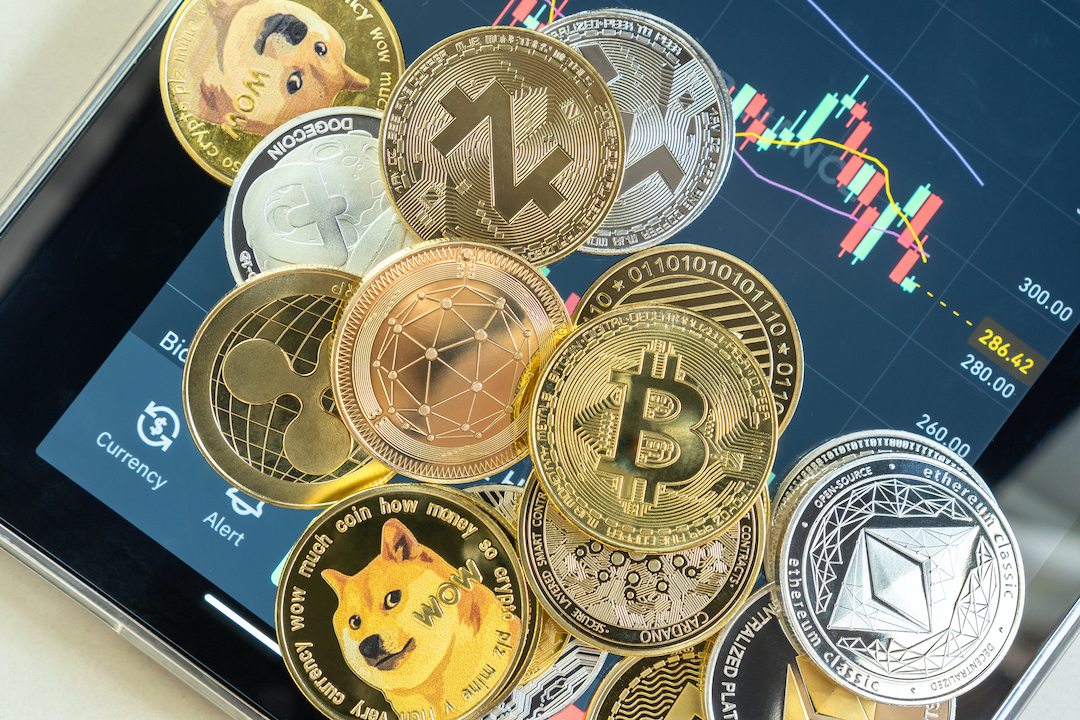
Cryptocurrency has entered the mainstream, but it remains a high-risk, high-reward asset. Blockchain is transforming industries like real estate, finance, and supply chains, suggesting long-term potential beyond speculative trading.
Still, retirees-to-be should treat crypto like venture capital — experimental and volatile, not a retirement guarantee. Education, security, and professional guidance are key to avoiding costly mistakes.
For those in their 50s preparing for retirement, cryptocurrency represents a fascinating opportunity — but also a significant gamble. It’s not about chasing quick profits; it’s about understanding a new financial ecosystem that might reshape how we think about money, savings, and investment in the decades ahead.
As with all investments, knowledge is your best protection.
-Lê Nguyên Vũ-
Sources for Further Reading:
- U.S. Securities and Exchange Commission – “Investor Bulletin: Initial Coin Offerings”
https://www.investor.gov/introduction-investing/general-resources/news-alerts/alerts-bulletins/investor-bulletins-16 Investor.gov - U.S. Securities and Exchange Commission – “Spotlight on Initial Coin Offerings and Digital Assets”
https://www.sec.gov/spotlight-initial-coin-offerings-and-digital-assets SEC - Fidelity Investments – “Invest in a Crypto IRA”
https://www.fidelity.com/crypto/retirement-ira Fidelity - Fidelity – “Ways to invest in crypto”
https://www.fidelity.com/learning-center/trading-investing/crypto/ways-to-invest-in-crypto Fidelity - Fidelity – “What is a Crypto IRA?”
https://www.fidelity.com/learning-center/trading-investing/crypto/what-is-a-crypto-ira Fidelity - National Association of Securities and Exchange Commissioners (NASAA) – “Informed Investor Advisory: Initial Coin Offerings”
https://www.nasaa.org/44836/informed-investor-advisory-initial-coin-offerings/