
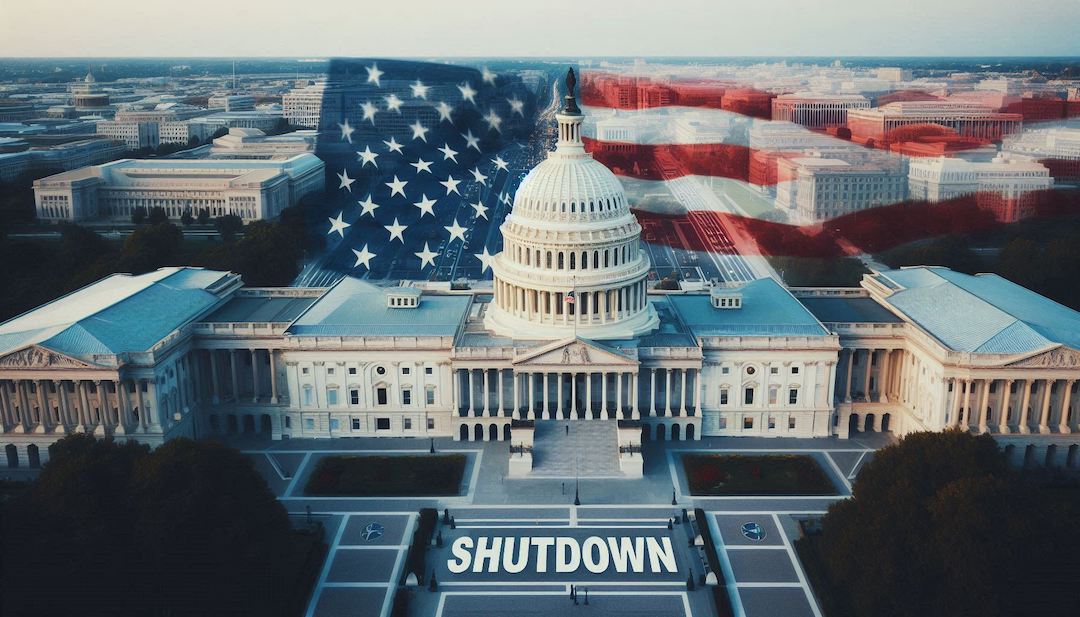
The U.S. federal government entered a shutdown on October 1, 2025 after Congress didn’t pass new funding or a stopgap “CR.” Social Security and Medicare continue to pay benefits, but some services slow or pause, agencies furlough staff, and certain nutrition and aid programs face near-term funding stress.
Why do shutdowns happen?
The federal government runs on 12 annual appropriations bills. If Congress doesn’t pass them—or a temporary continuing resolution (CR)—funding lapses. Under the Antideficiency Act, agencies generally must stop non-essential work until money is approved; only “excepted” activities that protect life/property or are otherwise legally authorized can continue. That’s the legal trigger for a shutdown.
This year (FY2026): Congress missed the October 1 deadline, leading to a shutdown.
When was the last shutdown before this?
The previous federal shutdown ran Dec 22, 2018 – Jan 25, 2019 (35 days)—the longest on record.
Is a shutdown federal or state?
Shutdowns are federal events. State governments stay open, but many state-administered programs rely on federal dollars and guidance; those can be strained or delayed depending on their funding stream and contingency cushions.
Will Social Security benefits be affected?
Monthly payments (retirement, SSDI, SSI) continue because they’re financed by trust funds or permanent law (i.e., “mandatory” spending). The Social Security Administration’s official contingency plan authorizes the work needed to issue payments on time during a lapse. However, some services slow or pause while field offices operate with reduced services:
- Still available: applying for benefits; appeals; changes that affect payments (address, direct deposit, death reports, representative payee changes); issuing original and replacement Social Security cards.
- Temporarily paused or limited: benefit verification letters; some record corrections unrelated to claims; certain third-party requests; some IT enhancements; replacement Medicare cards (SSA issues those) are paused. Expect longer lines/wait times
- Media and SSA have reiterated that checks will continue on schedule, but customer service will be slower.
Are local Social Security offices closed?
No. SSA says local offices remain open to the public with reduced services during the shutdown. Plan for delays and consider using online services when possible.
What happens to federal staff?
Agencies furlough non-excepted employees and keep “excepted/exempt” staff to run legally authorized work. At HHS (home to Medicare/Medicaid/CMS), roughly 41% of staff are furloughed under the plan; operations continue but with slower service. At SSA, about 6,197 of 51,825 employees are furloughed under its plan.
Medicare & Medicaid during a shutdown
Payments continue—these are mandatory programs—but customer service and some casework slow due to furloughs (for example, CMS beneficiary casework largely suspends). Expect longer hold times and slower responses; critical operations keep running.
What about SNAP, WIC, TANF and other nutrition/assistance programs?
- WIC (Women, Infants, and Children) is not an entitlement and depends on annual appropriations. USDA can bridge operations briefly with rebates and carryover funds, but funding could run out within 1–2 weeks absent congressional action—leaving states to decide whether to front their own funds. Impacts may vary by state
- SNAP and some child nutrition programs have limited contingency options; near-term benefits may continue, but administrative functions can be constrained the longer a lapse lasts. Check your state agency for specifics.
- TANF and certain grants may face administrative delays depending on states’ available reserves and federal processing capacity.
If the shutdown drags on, what could break?
- Service disruptions snowball: Furloughs at SSA, CMS, HHS, and other agencies mean slower processing of claims, appeals, hearings, card issuances, and provider/customer support. (Payments continue, but fixing problems takes longer.)
- WIC is first at risk: As contingency funds deplete, clinics could scale back or suspend benefits, harming nutrition support for mothers and young children unless states fill gaps.
- Program oversight & public health: With heavy furloughs at CDC/NIH and reduced survey/certification activities, guidance, research, and inspections slow, increasing risk and backlog.
- State ripple effects: States that rely on timely federal reimbursements may face cash-flow pressure, potentially tightening eligibility processing or outreach even where benefits persist.
Quick Q&A
Q: Do Social Security checks stop?
A: No—payments continue. Offices are open with reduced services; expect delays.
Q: Is this only federal?
A: Yes. But state-run programs with federal funding streams can feel the pinch the longer the lapse continues.
Q: Why not just keep everything open?
A: The Antideficiency Act bars most spending without an appropriation. Agencies must pause non-excepted work until Congress funds them.
How we get out of a shutdown
Congress must pass either:
- regular appropriations, or
- a continuing resolution (CR) to temporarily fund government while negotiations continue.
Bottom line for retirees and families
Your Social Security, SSI, Medicare, and Medicaid payments keep coming. But plan ahead: renew documents early, expect longer waits, and watch your state WIC/SNAP notices closely. The longer the shutdown lasts, the more everyday service friction you’ll feel—even when the benefit dollars themselves keep flowing.
-Lê Nguyên Vũ-
Further reading & official resources
- SSA – Contingency Plan & What’s Open (services that continue vs. pause)
- HHS/CMS – FY2026 Contingency Staffing Plans (Medicare/Medicaid operations during a lapse)
- USDA FNS – Shutdown/WIC Guidance & FNS Contingency Plan (nutrition program impacts)
- Washington Post – WIC at risk in shutdown (timelines/pressure on states)
- Reuters – HHS furlough estimates & public health impacts
- GAO – Lapses in Appropriations & Antideficiency Act (the legal basis)
- CRS Explainers – Government Shutdowns & Continuing Resolutions
- ABC News – Shutdown basics & 2018–2019 timeline