
Surely everyone on this planet — except for those whose photos now gather dust on family altars — still remembers the dark, terrifying days at the start of 2020, the Year of the Rat. It was right after Asian families had gathered to celebrate the Lunar New Year, handing out red envelopes and lighting fireworks. Then suddenly, the world shut down. Streets and markets fell silent. Shops, schools, factories — all closed. The order was simple: stay home. And if you absolutely had to go out, keep six feet apart.
No one really knew from what they were keeping distance. What spread? Who spread it? What kind of germ was it? In those early months, no one had answers — not even scientists. People only knew one thing: stay inside and hope Death didn’t come knocking.
The media and social networks poured out waves of fear. Every day came grim reports: hundreds dead, then thousands. Morgues and crematories were overwhelmed. Coffins lined up outside funeral homes. In some cities, bodies were buried in temporary mass graves. Families could only offer condolences over email — no funerals, no prayers, no final goodbyes. Even churches, temples, and synagogues were sealed tight.
Everyone wore masks — some looked like aliens behind their plastic shields. At first, masks were rare, so families stitched their own out of scrap fabric. They came in all colors and shapes — stylish, even playful — though no one knew if they could really stop that invisible killer. Still, covering your face brought peace of mind. People learned not to cough or sneeze openly but to bury their faces in their elbows. Hand-washing became a ritual. Bottles of sanitizer turned into liquid gold. Pharmacies ran out of masks and disinfectant within hours.
Was It the End of the World?
If your throat ached, your body burned with fever, and you couldn’t even smell a drop of the best fish sauce, you started to wonder if your time had come. Soon, testing sites appeared on every corner. People lined up as nurses in full-body suits scanned foreheads and stuck long cotton swabs into mouths. Then came the waiting — would it be positive or negative?
Those who tested positive were treated like ghosts in their own homes: separate meals, separate laundry, isolated rooms. If symptoms worsened, they were sent to quarantine centers — lonely, sterile places far from family. It truly felt like the world was ending.
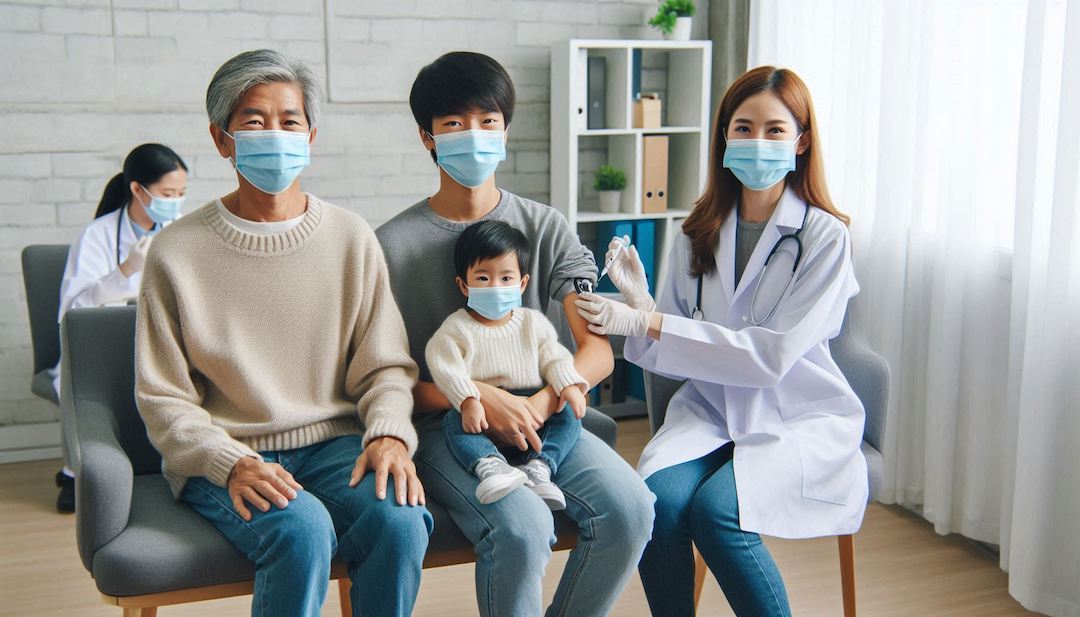
Then one bright morning came hope — news of the COVID-19 vaccine. At first, government officials, healthcare workers, and teachers got priority. Eventually, everyone would have their turn. Vaccination wasn’t “mandatory,” yet without the little vaccine card, you couldn’t go to work, school, or even government offices. Voluntary or not, the lines stretched endlessly.
Seniors went first. The younger you were, the longer you waited. Some grumbled: Why do the elderly — already so close to the finish line — get priority over the young, the ones meant to carry the nation forward? But that was how it went. And ironically, the very youth who laughed off precautions and partied through lockdowns became COVID’s favorite victims.
In the end, according to the CDC, over 81% of Americans received at least one shot and around 70% completed the full dose. About 20% refused — some for religious reasons, others out of mistrust in science. Were they wrong? Maybe. But that’s freedom of choice — the hallmark of democracy. And years later, some began to think perhaps they weren’t so wrong after all.
A New Turning Point
The story didn’t end there. One shot became two, then three, then four — boosters upon boosters. Each new round came with promises of protection. Yet over time, vaccine cards gathered dust in drawers, forgotten. Then one day, the CDC released a new guideline:
“Unlike previous years, individuals should now consult their doctors, pharmacists, or healthcare providers to discuss the potential risks and benefits before receiving another COVID-19 vaccine.”
In short — vaccination was no longer one-size-fits-all. The decision was now personal, ideally made with medical advice.
At the start of that year, the CDC still recommended vaccines for most adults, especially those with underlying conditions. Children ages six months to seventeen were advised to consult specialists first — vaccination was optional if they were healthy. Now, even those at high risk were encouraged to decide for themselves with guidance from their doctors.
The guideline didn’t explain why the policy changed — nor did it address whether multiple previous doses might cause harm. Some who had received every shot later fell mysteriously ill and quietly “moved their residence” from home to the cemetery. No one took responsibility. The silence was deafening — as if time itself would eventually bury the truth.
And somewhere out there, those who had doubted from the beginning — the ones called stubborn or paranoid — could only smirk and say, “See? We told you so.”
– Đức Hà- Exclusive for HuuTri.org-