
Every October, neighborhoods across the United States transform into glowing wonderlands of jack-o’-lanterns, cobwebs, and candy. But did you know this playful night of costumes and “trick-or-treats” has roots reaching back over 2,000 years?
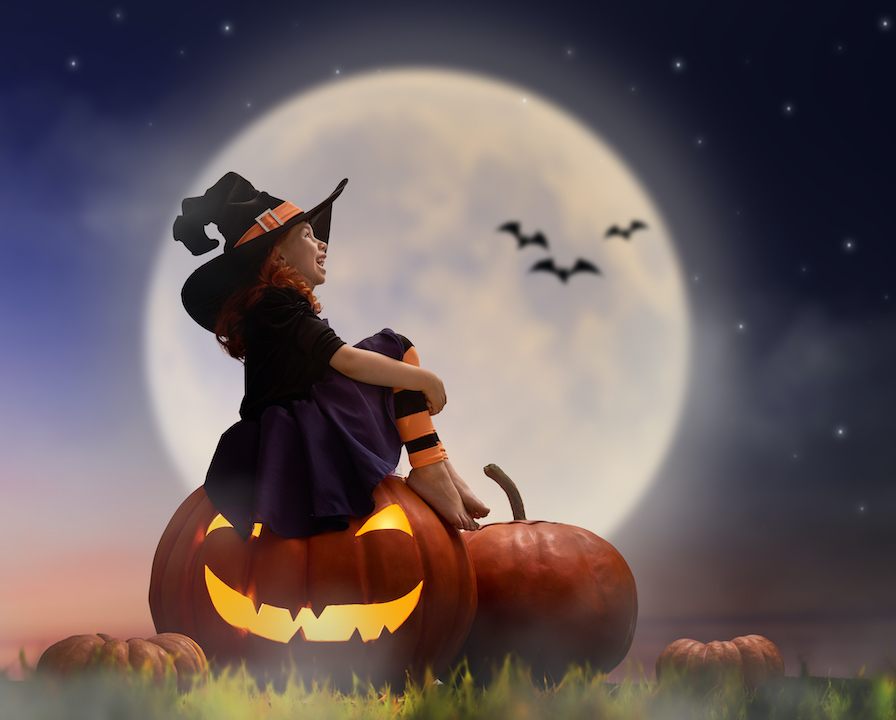 From Bonfires to Pumpkins
Halloween began with the ancient Celtic festival of Samhain, celebrated in what is now Ireland, the UK, and northern France. For the Celts, October 31 marked the end of harvest and the start of winter — a time when they believed the line between the living and the dead grew thin. They lit bonfires, wore animal-skin costumes, and held feasts to scare off wandering spirits (and maybe welcome a few friendly ghosts too!).
When the Romans conquered Celtic lands, they blended Samhain with their own festivals honoring the dead. Fast forward to the 8th century — Pope Gregory III declared November 1st All Saints’ Day, and the night before became All Hallows’ Eve. Over time, “All Hallows’ Eve” shortened to the name we all know today: Halloween!
How Halloween Crossed the Atlantic
It wasn’t until the 1800s that Halloween sailed across the ocean to America, thanks to Irish and Scottish immigrants escaping famine and hardship. These new Americans brought their spooky customs with them — carving turnips (which later became pumpkins!), telling ghost stories, and celebrating the bounty of autumn.
By the late 19th century, Halloween in the U.S. took on a friendlier twist. Communities began hosting costume parties, hayrides, and pumpkin-pie contests instead of focusing on ghosts and witches. It became a celebration of neighbors, laughter, and sweet treats — a little spooky, a lot of fun.
 Trick or Treat!
The most beloved part of Halloween — trick-or-treating — has an even older history. In medieval Britain and Ireland, poor villagers went “souling,” visiting homes to pray for the dead in exchange for “soul cakes.” Later came “mumming and guising,” where people performed songs or jokes for food.
By the 1930s, American kids had made the idea their own. Instead of pulling pranks or playing tricks, they began knocking on doors in funny, scary, or adorable costumes, chanting the familiar line: “Trick or treat!” After World War II, with candy factories booming and suburban neighborhoods growing, trick-or-treating became a nationwide tradition.
Today’s Halloween — Sweet, Silly, and Spooky
Now, Halloween in the U.S. is an explosion of creativity and joy. Kids parade through the streets dressed as superheroes, witches, and movie characters. Adults join in with elaborate decorations, haunted houses, and costume parties that last late into the night. Even pets wear costumes!
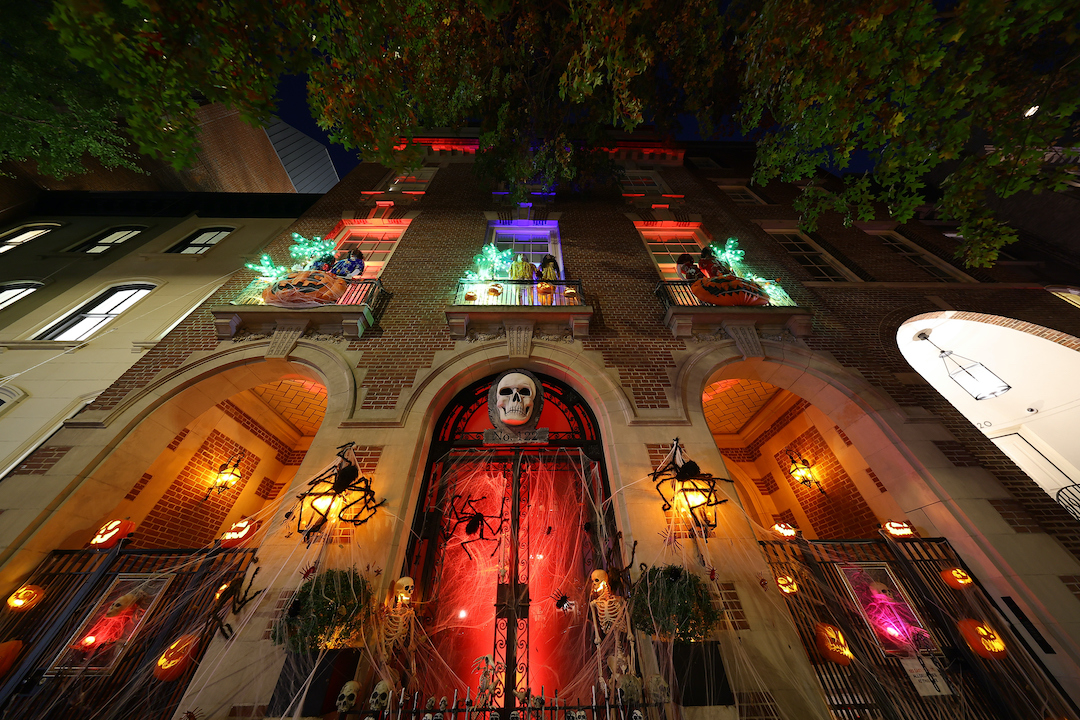
From ancient bonfires in Celtic fields to glowing pumpkins on American porches, Halloween has evolved into a global celebration of imagination, community, and fun — proving that a little bit of magic (and candy) can bring everyone together.
-Lê Nguyễn Thanh Phương-