
As autumn’s golden light wanes and the year turns toward winter, many Christian communities turn their hearts — and altars — toward memories of those who have gone before. Among these observances, the twin solemnities of All Saints’ Day and All Souls’ Day stand out in the liturgical calendar of the Western Church. Rooted in ancient belief about hope, life, death, purification, and intercession, they also provide a meaningful backdrop for how Christian communities in the United States — including those of Hispanic heritage — integrate cultural traditions like Día de los Muertos into a distinctly Christian rhythm of remembrance.
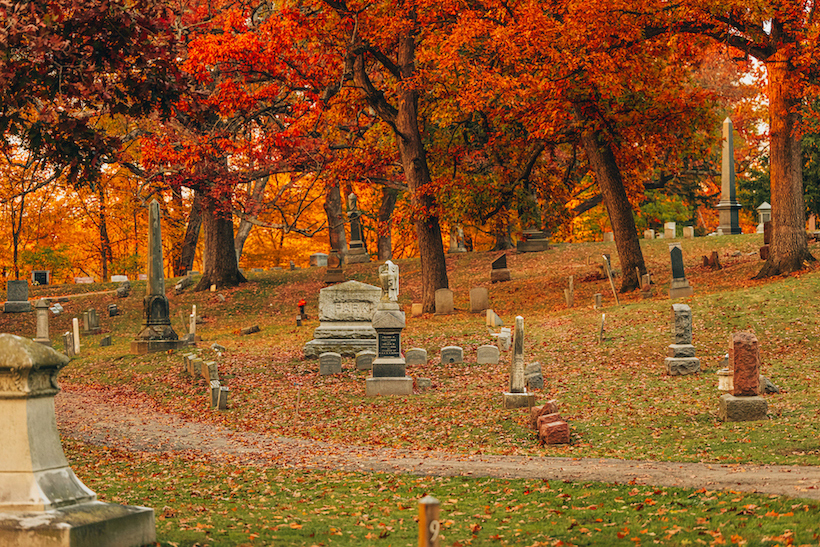
Why November 1? The Catholic Choice
A. Origins: From Martyrs and the Early Church
The Christian custom of remembering the dead goes back to the early centuries: prayers and inscriptions in the Roman catacombs show that the early faithful prayed for those who had died. Initially, there was no fixed date for a universal commemoration of all the faithful departed. Over time, local celebrations of particular martyrs grew into a general commemoration of all saints and martyrs.
B. Setting the Date: November 1 for All Saints’ Day
In the West, the feast of all saints came to be celebrated on November 1. A key moment was when the Church of Rome dedicated the Pantheon to “the Blessed Virgin Mary and all the martyrs” in the early 7th century. Later, Pope Gregory III placed the celebration on November 1 and extended it to include all saints, and Pope Gregory IV made it obligatory for the Western Church in the 9th century.
C. Then Comes November 2: All Souls’ Day
While November 1 honours the Church triumphant — all those in heaven — November 2 is set aside to remember the faithful departed who may yet be undergoing purification and for whom the living may pray. The choice of November 2 is attributed to Odilo of Cluny, who instituted a day of prayer for all the faithful departed in his monastery.
D. Theological Meaning: Remembering, Praying, Interceding
From a Catholic perspective:
- All Saints’ Day acknowledges that the Church includes the living, the faithful departed, and the saints in glory — the “communion of saints.”
- All Souls’ Day underscores the belief that the living can assist the departed through prayer, Mass, almsgiving, and especially through the Eucharist.
- Together, the days invite Christians to confront mortality, hope in eternal life, and engage in holy remembrance rather than fear.
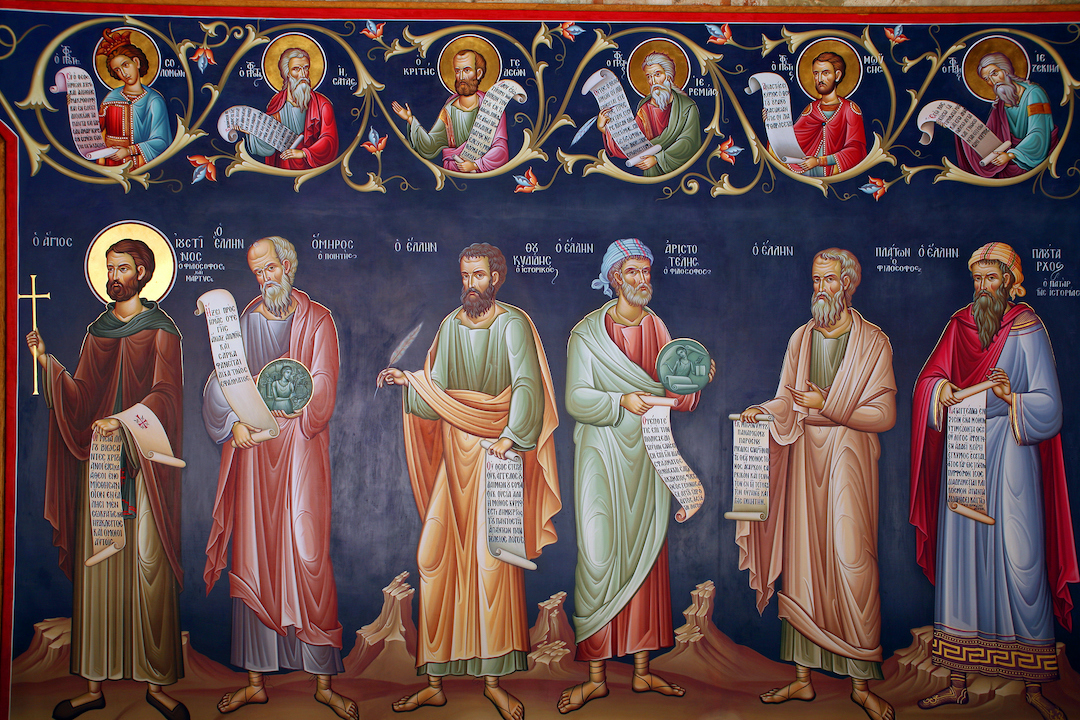 E. Pastoral Significance: Why November?
Placing these celebrations at the beginning of November — when nature itself seems to die back — offers a rhythm of entering the darkness of the year with faith rather than dread. It gives structure to communal mourning and hope: first honouring those in glory, then enveloping those still “on the way” in prayer. It unites the faithful across generations: children, parents, grandparents, unknown saints, and unnamed faithful — all remembered in one sacred season known as Allhallowtide.
Christian Traditions in the U.S.: A Tapestry of Cultures
In the United States, the observance of All Saints’ and All Souls’ Days takes many forms, shaped by immigrant communities, cultural traditions, and local parish practices. The result is a rich mosaic of ways people “remember and pray” for the deceased.
A. Mainstream Catholic Parishes
Many U.S. parishes celebrate with solemn Masses on both days. On November 2, some churches read aloud the names of parishioners who have died that year, light candles, or toll bells in their memory. Families visit cemeteries, decorate graves with flowers, and pray the “Eternal Rest” prayer.
Some parishes also encourage visiting a cemetery between November 1–8, offering prayers for the dead as an act of faith and remembrance.
B. Hispanic and Latino Catholic Communities: Blending All Souls’ and Día de los Muertos
Among Mexican-American and other Latino Catholics, the observance takes on added cultural vibrancy through Día de los Muertos (Day of the Dead). While its imagery — marigolds, candles, sugar skulls, and home altars — draws from indigenous roots, its Christian essence remains prayerful remembrance. Families gather to pray for deceased loved ones, attend Mass, and build ofrendas adorned with crosses, rosaries, bread, and photographs.
In U.S. cities such as Los Angeles, San Antonio, and Albuquerque, parishes host public events where faith and culture merge into one joyous and sacred act of honoring the dead.
C. Other Christian Traditions
Lutheran and Anglican communities in the U.S. observe similar commemorations, reading the names of the departed and lighting candles to symbolize eternal life. Many Protestant congregations mark All Saints’ Sunday by reflecting on the “great cloud of witnesses” and the hope of resurrection. Ecumenical services across denominations often bring together the faithful to pray for the dead in unity and peace.
D. Intergenerational and Immigrant Connections
For many immigrant families, especially người lớn tuổi, these observances bridge generations. Grandparents teach younger members to pray for ancestors; children light candles or place flowers at graves. The season becomes not only one of remembrance but of storytelling — a way to pass down faith, gratitude, and family identity through shared rituals of hope.
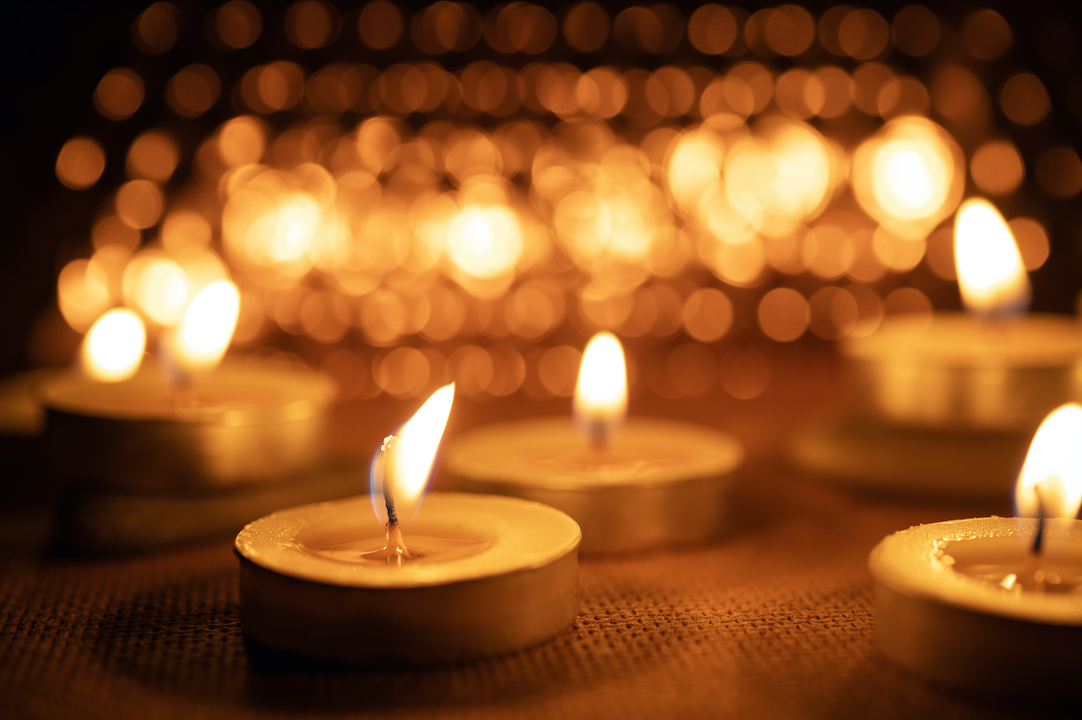
From Mourning to Hope
A. Mourning That Honors Life
Christian remembrance of the dead is not despairing.
- On All Saints’ Day, the faithful give thanks for those now united with God.
- On All Souls’ Day, they acknowledge mortality and trust in Christ’s resurrection.
Lighting candles, visiting graves, or building altars are outward signs of an inward faith: that death does not have the final word.
B. The Living and the Dead: Communion Across Time
The “communion of saints” — the living, the dead, and the saints in glory — expresses the unity of the Church. These observances remind believers that life and death are bound together in divine mercy.
C. Cultural Expression, Faith-Filled Practice
Incorporating cultural traditions enriches the act of faith. Building an altar with a cross, photos, flowers, and candles transforms folklore into a Christian gesture of remembrance. For many Latino families, these traditions revive younger generations’ connection to faith through tangible acts of love and prayer.
D. Renewal of Hope: From Death to Life
Ultimately, All Saints’ and All Souls’ Days move the Christian community from mourning to hope. The candle lit in a cemetery, the altar filled with marigolds and prayers — all point toward Christ’s promise: “I am the resurrection and the life; whoever believes in me, though he die, yet shall he live.”
Practical Reflections for People of Faith
- Create a home altar with a cross, photos, flowers, candles, and scripture.
- Attend Mass or a remembrance service on November 1 or 2.
- Visit cemeteries and offer prayers for loved ones.
- Invite children and elders to share memories of family members who have passed.
- Embrace cultural heritage while centering the celebration in prayer and faith.
- Organize parish or community remembrance events open to all denominations.
- Reflect personally on how remembering the dead deepens gratitude for life and strengthens faith in eternal salvation.
Between autumn’s falling leaves and winter’s stillness, All Saints’ and All Souls’ Days call Christians to remember, to pray, and to hope. The Church’s choice of November 1 and 2 brings the living and the dead together in Christ’s mystery of death and resurrection.
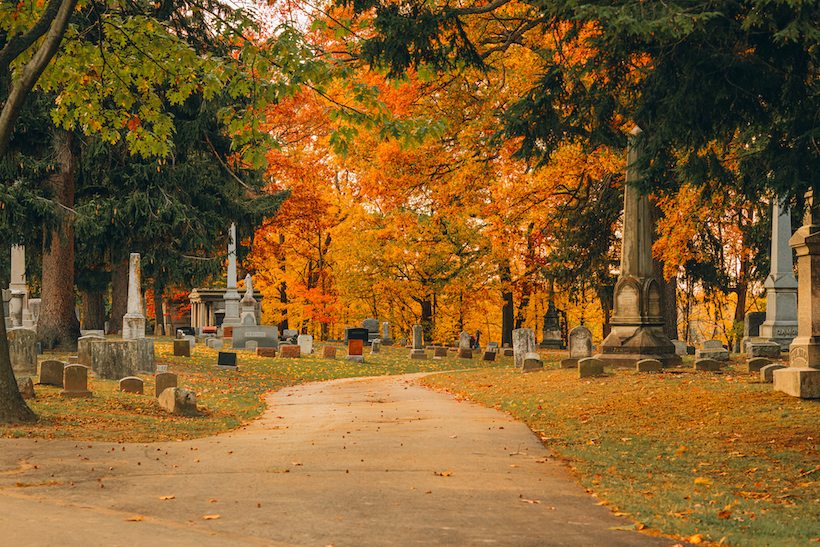 In the United States, these observances take on renewed depth through cultural expressions like Día de los Muertos, uniting faith and family, prayer and tradition. For người lớn tuổi, for families, and for communities of faith, these days invite not only mourning but thanksgiving — not only memory, but eternal hope.
May this season of remembrance open our hearts to love more deeply, live more faithfully, and trust more fully in God’s promise of everlasting life.
-Lê Nguyễn Thanh Phương-
Sources
- Britannica – All Souls’ Day: Description, History & Traditions
- Catholic Online – All Souls’ Day
- Catholic Answers – All Saints’ Day Guide
- Magis Center – All Souls’ Day: History, Traditions & Significance
- Catholic Extension – Feast of All Souls & Día de los Muertos
- The Grace Museum – Día de los Muertos: Symbols and Traditions