
A federal government shutdown began on October 1, 2025, after Congress failed to agree on a new funding bill. As of early November, it has lasted several weeks, making it one of the longest in U.S. history. A shutdown happens when Congress doesn’t approve the government’s budget for the new fiscal year, forcing many federal programs and services to pause or reduce operations while lawmakers negotiate.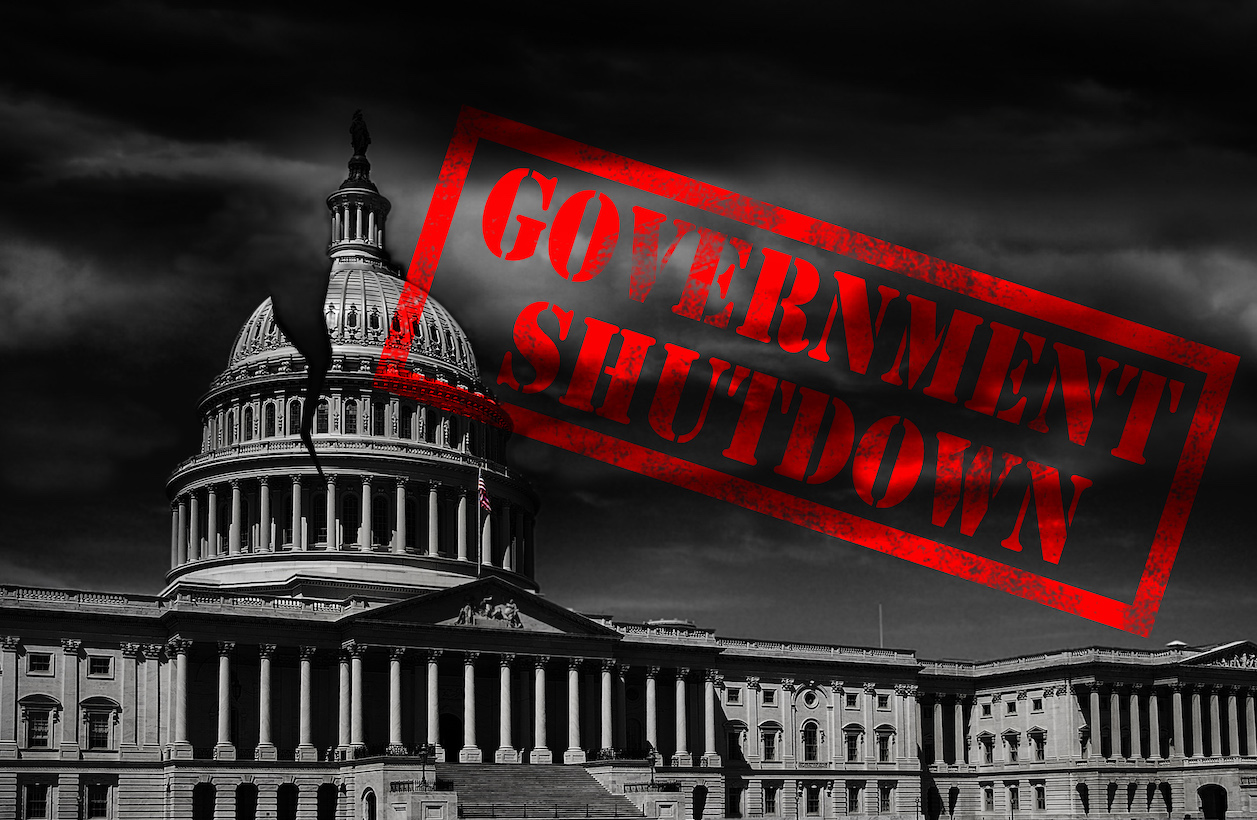
What’s Causing the Standoff in Washington, D.C.?
The current impasse stems from disagreements in Congress over budget priorities. The House passed a temporary funding bill, but it stalled in the Senate over disputes tied to health care subsidies and other spending provisions. As a result, agencies that depend on yearly funding (called “discretionary spending”) are either shuttered or operating with reduced staff.
Both major political parties are blaming each other for the deadlock, and negotiations are ongoing. Until lawmakers pass a funding bill the President can sign, the government remains partially closed.
How the Shutdown Affects Seniors
1. Social Security and Pensions
Good news: Social Security checks are still being issued because they are funded as “mandatory spending,” not tied to the annual budget. However, services such as assistance hotlines, appeals, or processing changes in benefits may be slowed due to a drop in staffing.
Federal employee pensions, especially if just recently filed, may experience delays if agencies are behind on paperwork or are short-staffed during the shutdown.
2. Medicare and Telehealth
Medicare benefits continue as usual, but administrative and support services may experience delays—especially services that were already backed up. Telehealth services, particularly in rural areas, could be disrupted due to reduced federal staffing that supports infrastructure and reimbursement operations.
3. SNAP, Food Assistance, and Basic Needs
SNAP benefits (food stamps) for the current month have so far been distributed. However, if the shutdown continues, future benefit cycles could face delays or cuts, disproportionately affecting seniors who rely on these benefits for groceries and medication costs. Food banks and community organizations are already reporting higher demand.
4. Gas, Food Prices, and Travel Costs
While the shutdown doesn’t directly raise the price of gas or groceries, economic uncertainty and delayed federal oversight can ripple into supply chain or inflation pressures.
Travelers—especially retirees traveling during off-peak seasons—may encounter more flight delays, longer airport security lines, and reduced services at national parks or federally-supported recreation sites.
5. Senior Travel, Community Events, and National Parks
Retirees who travel to national parks, outdoor recreation areas, or historic sites during the fall or winter season may find visitor centers closed or understaffed, restrooms unavailable, or some areas entirely shut off. Similar impacts may apply to free or low-cost events that depend on federal resources.
Airports may remain open, but staffing shortages have historically led to flight delays and longer lines during shutdowns.
What Happens If the Shutdown Continues?
If the shutdown stretches deeper into the month, older adults face the following risks:
- Service slowdowns for updating Social Security, replacing lost cards, or modifying benefit payments.
- Delays in SNAP funding or other assistance, placing low-income seniors at risk of food insecurity.
- Reduced access to telehealth or rural medical services, affecting older adults with chronic conditions.
- Disrupted or more expensive travel, especially when visiting national parks or traveling by air.
- Increased anxiety and uncertainty, especially among people on fixed incomes.
What Seniors Can Do Now
- Verify direct deposit setup for Social Security and pension payments to minimize any processing delays.
- Confirm medical appointments and telehealth access in case backup options are needed.
- Budget cautiously for travel during the shutdown—plan for delays, closures, and unexpected costs.
- Watch for SNAP notices or local announcements if you or someone you know receives food assistance.
- Stay in contact with local senior centers, churches, and food banks, many of which are stepping in to help during federal service gaps.
- Keep up with news about budget negotiations, especially if the shutdown reaches the point of affecting mandatory programs.
Is There Hope?
Yes—Congress can end the shutdown immediately by passing a budget or short-term funding bill known as a continuing resolution. Leaders from both parties say negotiations are ongoing, but there is uncertainty about when a deal might be reached.
-Lê Nguyên Vũ-
Sources for Further Reading