
I arrived in Singapore carrying more than a backpack—I carried years of assumptions shaped by college textbooks. In lecture halls, Singapore existed for me as charts and case studies: GDP growth curves, port efficiency rankings, fiscal discipline, sovereign wealth funds. It was a model city-state, precise and disciplined, admired from a distance. I thought I understood it. I was wrong.
The moment my feet touched the ground at Changi Airport, I realized how incomplete my education had been.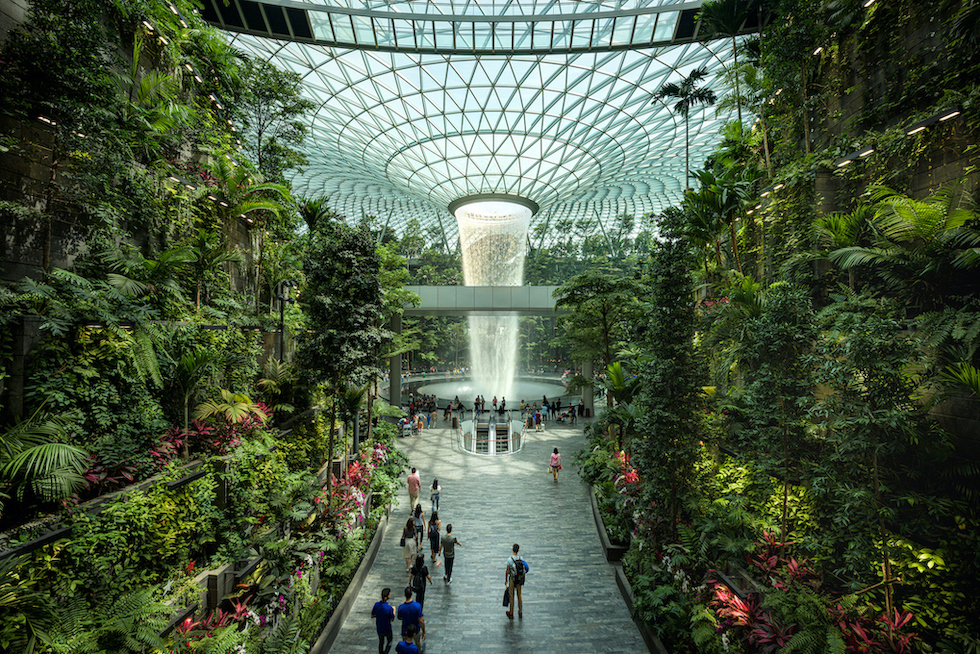
This was not just a financial success story; it was a living, breathing organism—polished yet warm, efficient yet deeply human. Everything worked seamlessly, but nothing felt sterile. Immigration was swift, the airport immaculate, and yet the smiles were genuine. I was a first-time visitor, traveling solo, but I never once felt alone.
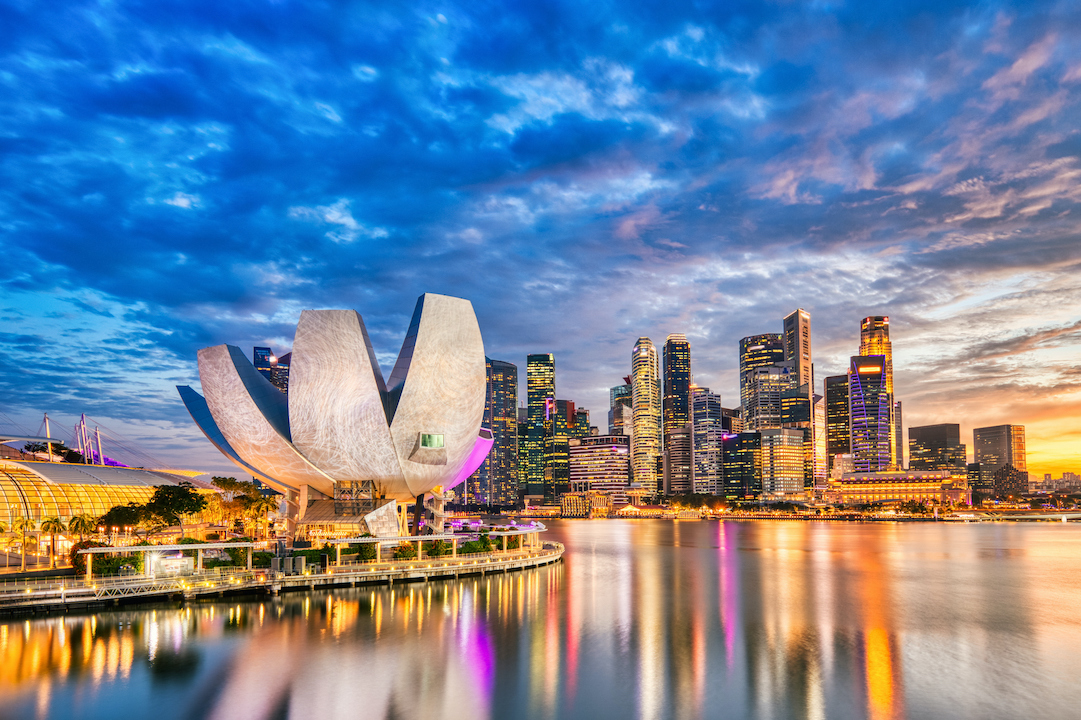
Walking through Marina Bay on my first evening, I saw what twenty years of intentional transformation truly looks like. The skyline was futuristic, yes—but it was not built merely to impress. Each structure felt purposeful, symbolic of a nation that had learned how to balance ambition with restraint. The financial district no longer resembled the abstract diagrams from my textbooks. It was alive with people finishing work, sharing meals, laughing over coffee, moving fluidly between global finance and everyday life.
What struck me most was how Singapore’s rise over the past two decades was not loud or boastful. It earned its place in the global financial world quietly—through consistency, governance, trust, and long-term thinking. Standing among the glass towers, I understood why multinational banks, tech firms, and investors choose Singapore. It was not only about tax policy or regulation. It was about confidence—confidence that systems work, that people matter, that the future is planned with discipline and care.
Yet, beyond the balance sheets and boardrooms, Singapore revealed its soul.
In Chinatown, Little India, and Kampong Glam, I discovered layers of culture that no economic report could ever capture. The aroma of spices, the rhythm of prayers, the hum of conversations in multiple languages—it all coexisted effortlessly. This was not diversity curated for tourists; it was lived daily. I found myself sharing tables at hawker centers, exchanging nods and smiles with strangers, realizing that food here is not just nourishment but a social equalizer.
As a solo traveler, I paid attention to how a city makes you feel when no one is watching. Singapore made me feel safe, respected, and welcomed. The streets were clean but not cold. Rules were clear but not oppressive. People were polite without being distant. There was an unspoken understanding that order and kindness are not opposites—they are partners.

Late one night, sitting by the Singapore River, I reflected on how far this nation had come in just two decades. The transformation was not accidental. It was the result of vision, sacrifice, and a collective belief that progress should serve people, not replace them. That realization reshaped my understanding of Singapore far more than any textbook ever could.
I came to Singapore expecting to see a financial powerhouse. I left having experienced a society that mastered the art of balance—between tradition and innovation, ambition and humility, efficiency and warmth.
For a first-time visitor traveling alone, Singapore did something rare. It taught me, welcomed me, and quietly reminded me that the strongest economies are built not just on capital, but on trust, culture, and humanity.
-Lữ Hành-