
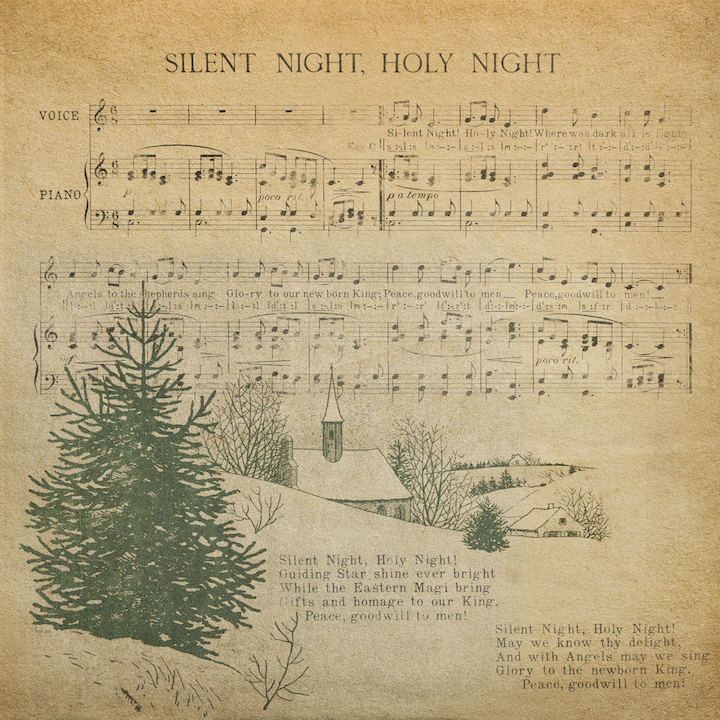
The beloved Christmas carol “Silent Night” (“Stille Nacht”) carries within its gentle melody a powerful message: peace that transcends time, culture, and conflict. From its creation in the quiet villages of Austria to its presence in homes, churches, and concert halls around the world, this hymn has served as a universal prayer for harmony in a world that continues to yearn for calm.
Humble Beginnings in a Time of Uncertainty
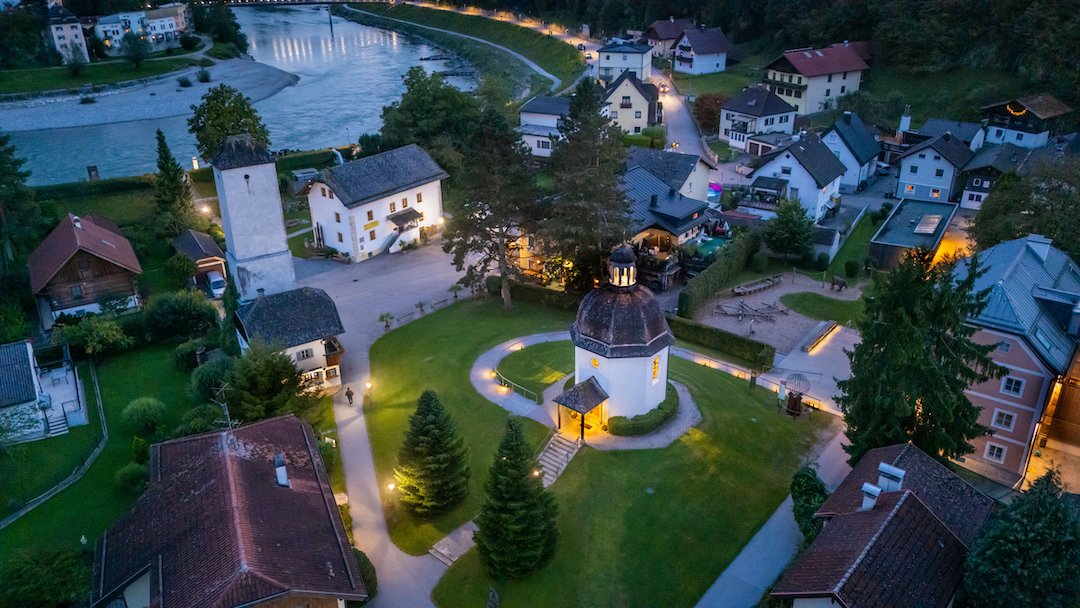
The origins of “Silent Night” trace back to 1816, when Europe was recovering from years of turmoil following the Napoleonic Wars. In the Austrian village of Mariapfarr, Catholic priest Joseph Mohr wrote a poem expressing hope for a more peaceful future. Two years later, while serving at St. Nicholas Church in Oberndorf, Mohr turned to Franz Xaver Gruber, a schoolteacher and church organist, to compose a melody after the parish organ was damaged. Using only a guitar for accompaniment, Mohr and Gruber first performed “Silent Night” on Christmas Eve 1818 during Midnight Mass.
A Legacy Nearly Forgotten
As traveling Tyrolean folk singers brought the carol to new audiences, the song quickly grew in popularity. However, during this expansion, Mohr’s name faded into obscurity, and many assumed Gruber authored both the music and lyrics. Only later, after the rediscovery of Mohr’s original handwritten manuscript, was his role restored and celebrated.
A Song that Brought Peace to the Battlefield
One of the most extraordinary moments in the history of “Silent Night” occurred during World War I. On Christmas Eve in 1914, German soldiers began singing “Stille Nacht” across the trenches. British and French soldiers responded—some in German, others in English or French. For a brief, miraculous night, the sound of a shared hymn rose above gunfire and anger. Soldiers met in no-man’s land to exchange handshakes, food, and kindness, honoring Christmas together.
A Global Prayer for Peace
Today, “Silent Night” has been translated into over 300 languages and dialects (including the well-known Vietnamese version by Hùng Lân) and was recognized by UNESCO in 2011 as an intangible cultural heritage. Its tune has been adapted to countless musical styles, yet the message remains constant: a call to unity, love, and silent wonder at the birth of hope.

Silent Night for Our Times
More than two centuries later, the world continues to face division, conflict, noise, and unrest. Yet, as families gather by candlelight, as children sing in schools, and as congregations lift their voices during Christmas liturgies, the lyrics still speak profoundly to us:
“All is calm, all is bright.”
In a modern era filled with stress, war headlines, social polarization, and uncertainty, “Silent Night” invites us to pause—to reflect, reconcile, and remember one another’s humanity. A single moment of compassion can soften conflict. A single voice can inspire hope. Peace begins with each of us.
A Timeless Gift
From the Austrian Alps to bustling city streets and homes across continents, this humble carol has become a symbol of goodwill that unites people of every nation and background. As we listen again this Christmas, may we not only hear the music but embrace its message: build peace, spread kindness, and keep the light of hope glowing in every season.
-Marie Therese-