
On January 3, 1959, Alaska officially became the 49th state of the United States, a moment that quietly but permanently reshaped the nation’s identity, geography, and future.
For many Americans at the time, Alaska felt distant—almost mythical. Vast, frozen, sparsely populated, and rugged beyond imagination, it existed in the national consciousness as a land of gold rush legends, towering glaciers, and endless wilderness. Yet with one signature, Alaska was no longer a remote territory at the edge of maps. It became fully American—politically, economically, and strategically.
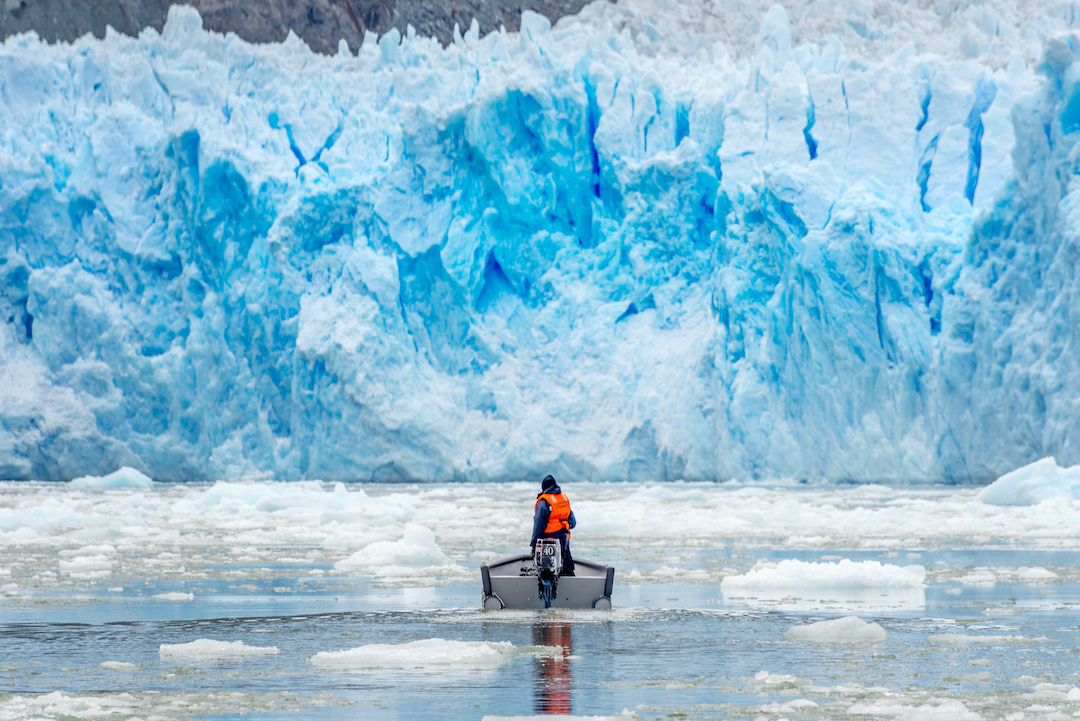 Alaska’s path to statehood was long and uncertain. Purchased from Russia in 1867 for $7.2 million, the deal was mocked as “Seward’s Folly.” For decades, few could imagine the value hidden beneath its snow and ice. But history would prove otherwise. Gold discoveries, oil reserves, fisheries, and military significance gradually transformed Alaska from a curiosity into a national asset.
Statehood granted Alaskans full representation in Congress and the right to govern their own affairs—something territorial residents had sought for years. More importantly, it anchored the United States firmly in the Arctic region at the height of the Cold War. With Alaska’s admission, the U.S. expanded its reach toward the polar north, strengthening national defense and gaining strategic access to Arctic air routes and resources.
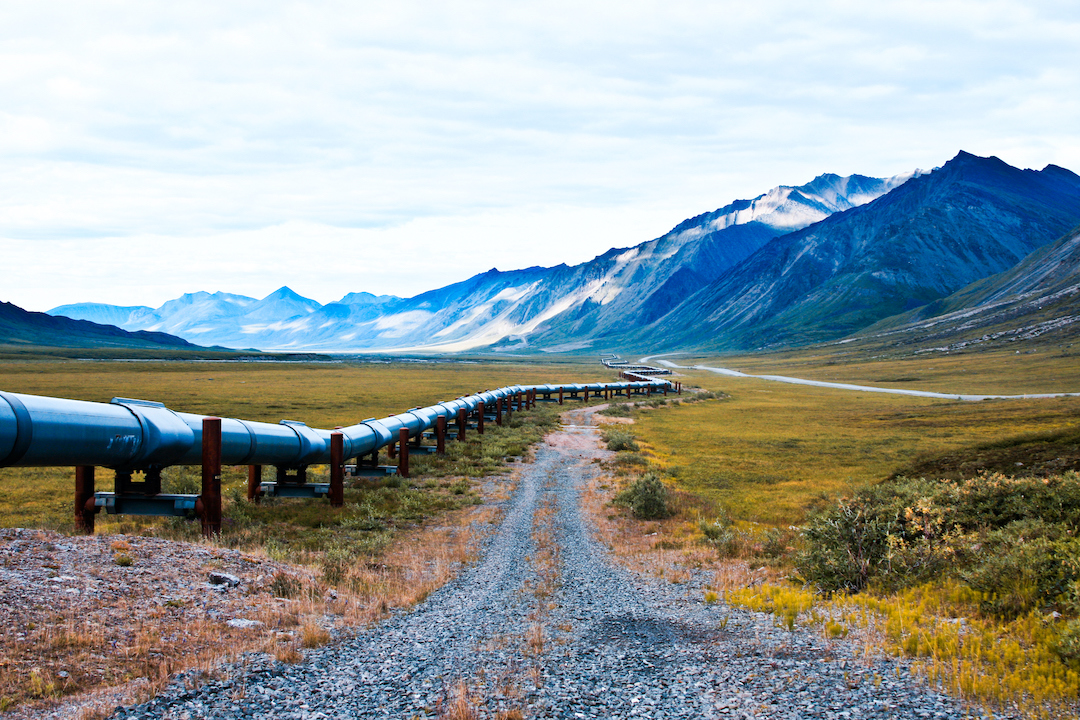
Alaska also changed how Americans understood land itself. It challenged the idea that progress required cities, highways, and dense development. Instead, Alaska reminded the nation that wilderness had value—not just economically, but spiritually and environmentally. Its national parks, indigenous cultures, and untamed landscapes became symbols of preservation and resilience.
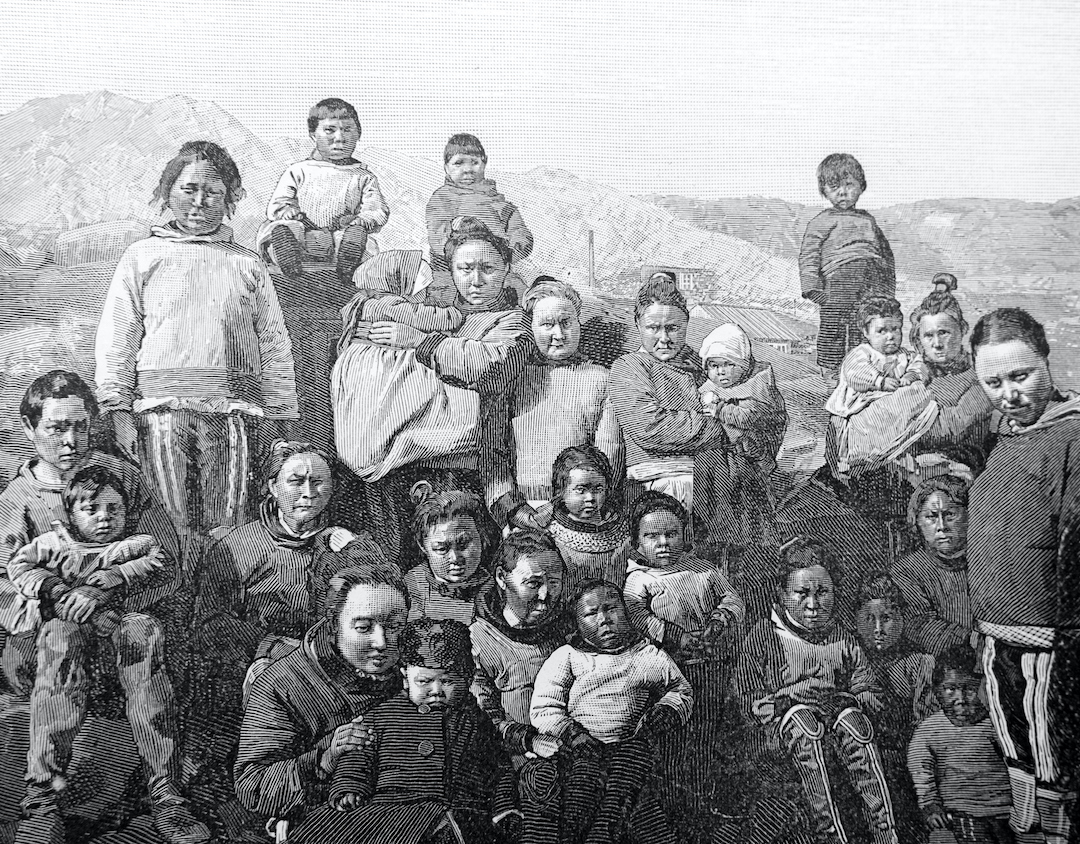
Today, Alaska remains a place apart—modern yet ancient, American yet profoundly its own. Its statehood was not merely an expansion of territory, but an expansion of perspective: a reminder that the United States is not defined only by what is easy to settle, but also by what is difficult to endure and protect.
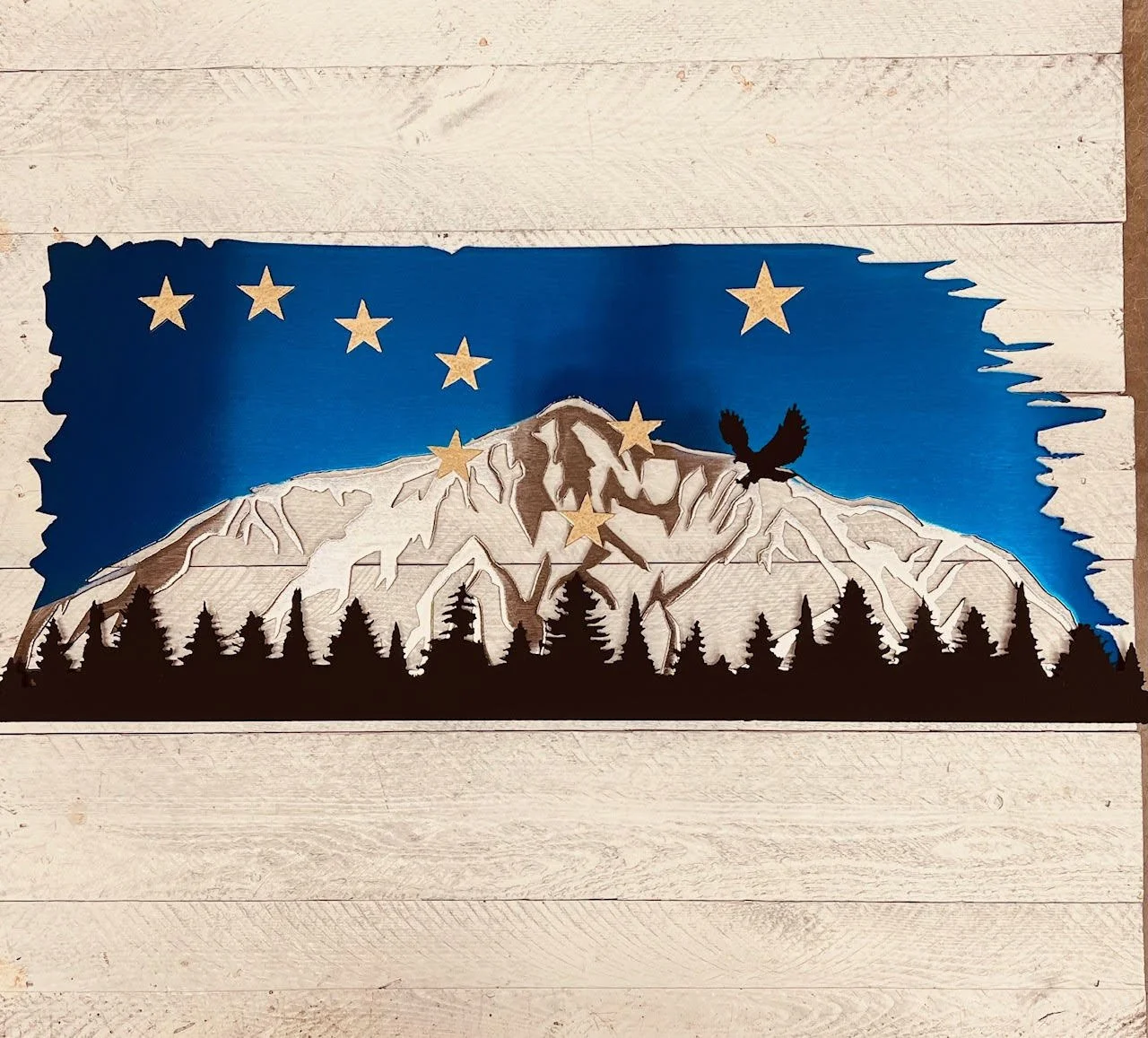
Why It Matters
- Expanded U.S. territory by over 663,000 square miles
- Secured American presence in the Arctic region
- Opened access to critical natural resources (oil, gas, fisheries)
- Strengthened national defense during the Cold War
- Preserved vast wilderness and Indigenous heritage within the Union
-Lê Nguyễn Thanh Phương-
Sources
- National Archives – Alaska Statehood
- Library of Congress – Alaska History
- U.S. Senate Historical Office – Admission of Alaska