
A Quiet Turning Point in America’s Westward Journey
On a cold winter day—January 4, 1896—the vast high desert and mountain lands of Utah officially entered the Union as the 45th state of the United States. Unlike the dramatic gold rushes or violent frontier clashes that defined other chapters of westward expansion, Utah’s path to statehood was long, patient, and shaped by endurance, negotiation, and faith in permanence.
 For decades before statehood, Utah had already become home. Wagon trails carved across plains and mountains brought settlers westward, many of them members of the Church of Jesus Christ of Latter-day Saints, who sought a place to practice their beliefs and build stable communities. They transformed an arid landscape into productive farmland through irrigation, town planning, and cooperative labor—quiet but remarkable acts of frontier resilience.
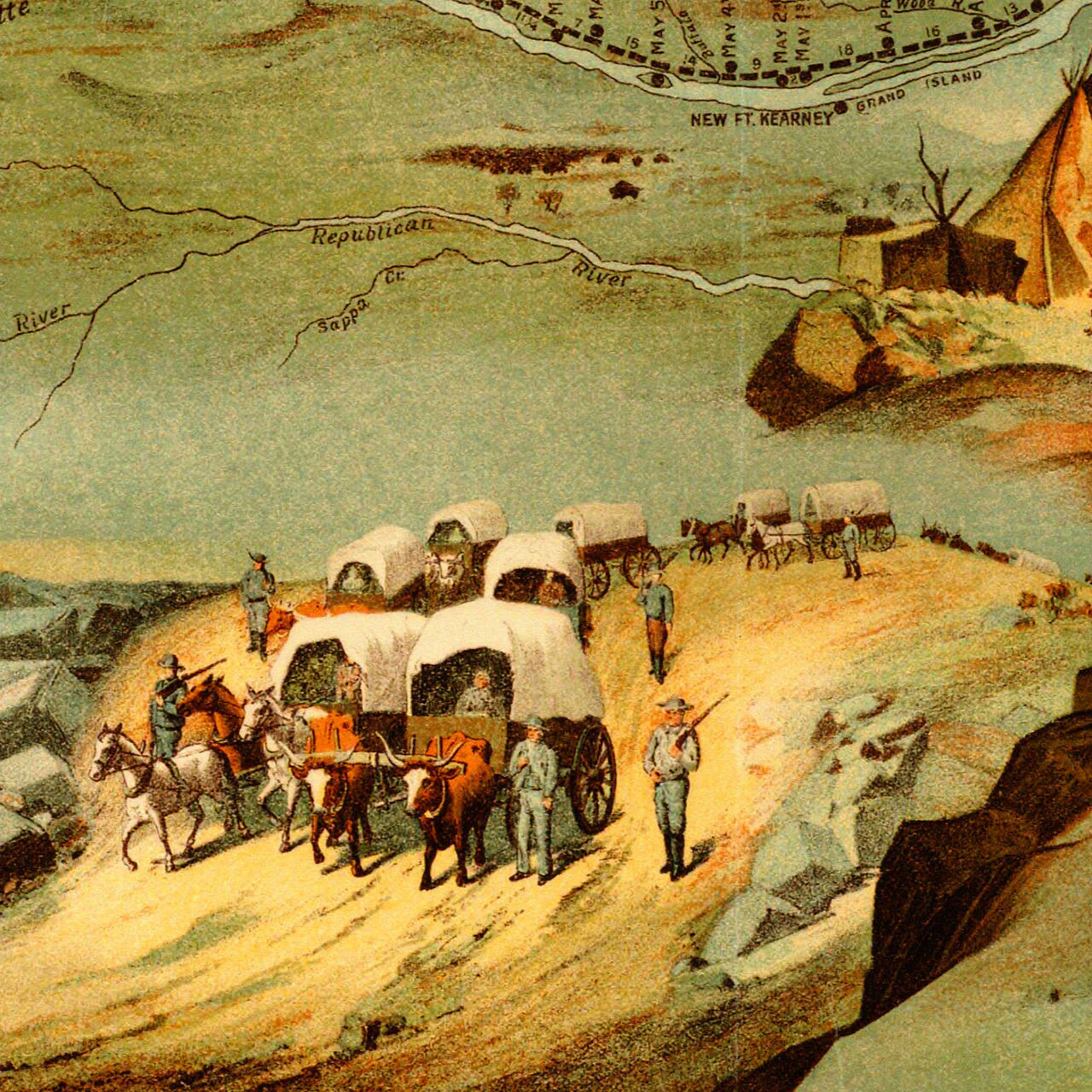 A Long Road to Statehood
Utah’s journey was not quick. Originally part of the vast Mexican Cession after the Mexican–American War, it became a U.S. territory in 1850. Over the next 46 years, Utah applied for statehood multiple times. Political tensions—particularly over governance and federal authority—delayed its admission far longer than many western territories.
When statehood finally arrived in 1896, it represented more than a new star on the flag. It marked the end of a territorial chapter and the beginning of full political participation for Utah’s citizens in the national democratic process.
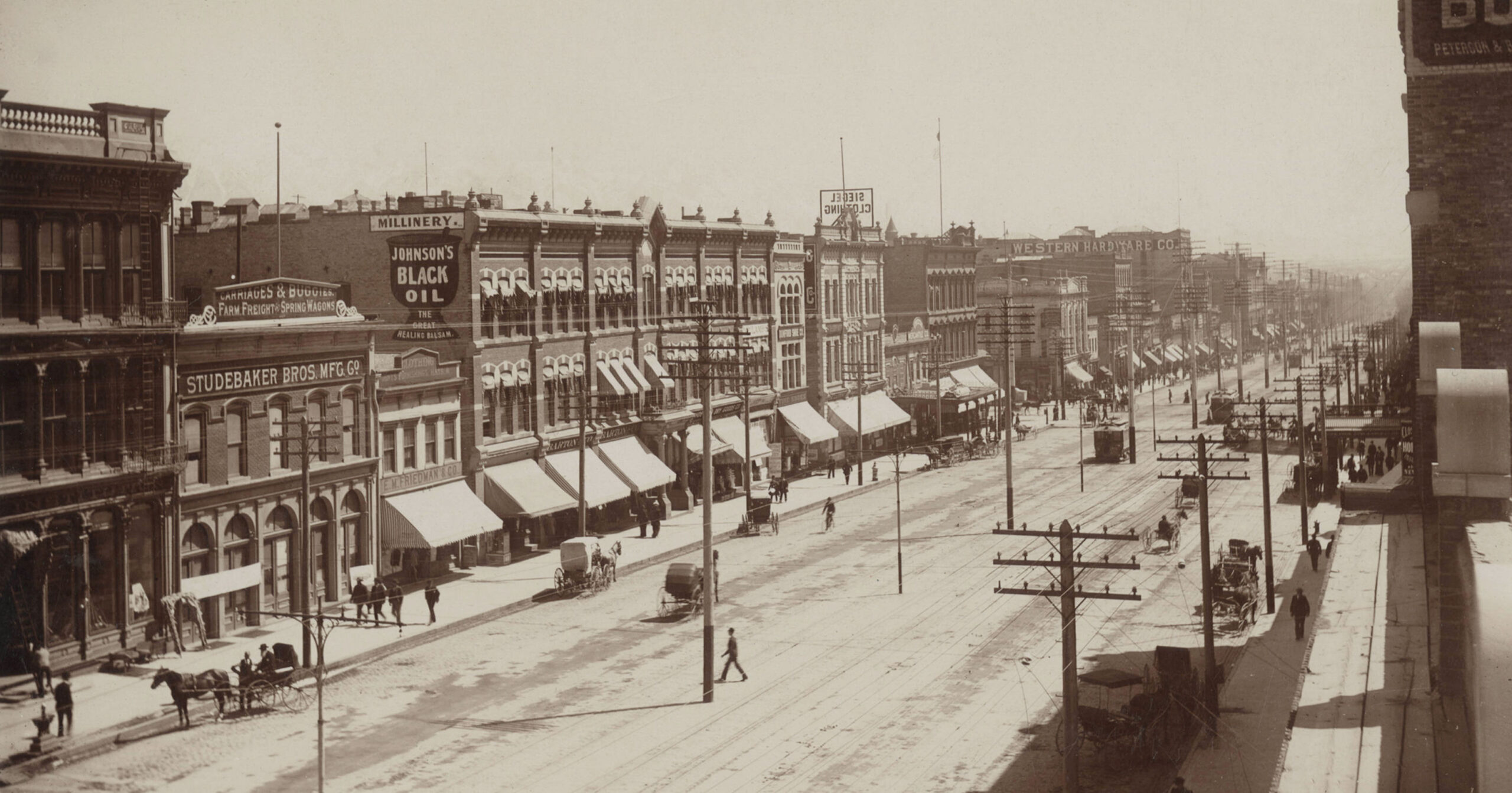
Why Utah’s Statehood Mattered
Utah’s admission mattered deeply to the story of American westward expansion for several reasons:
- Completion of the Interior West
Utah helped solidify U.S. governance across the interior West, linking the Pacific states with the Great Plains and reinforcing national unity across vast distances. - From Frontier to Permanence
Statehood signaled that the West was no longer just a frontier—it was a place of lasting communities, infrastructure, and civic life. - Economic and Transportation Growth
With statehood came increased investment, rail expansion, mining development, agriculture, and trade routes that tied Utah into the national economy. - Cultural and Religious Diversity
Utah’s story underscored how diverse communities—sometimes misunderstood—could integrate into the broader American framework while maintaining their distinct identity.
 A Legacy That Endures
Today, Utah stands as a reminder that America’s expansion westward was not only about speed or conquest, but also about persistence, compromise, and community-building. Its statehood reflects a quieter strength—one built through decades of waiting, working the land, and believing in a future within the Union.
For readers of Huutri.org, Utah’s story resonates especially with those who value history not just for its drama, but for its lessons: that lasting progress often comes through patience, cooperation, and a shared commitment to belonging.
Utah’s admission in 1896 may not dominate headlines in history books—but it remains a meaningful milestone in America’s long journey west.
-Lê Nguyễn Thanh Phương-
Sources & Further Reading
- History.com Editors.
“Utah Enters the Union.”
History.com.
A concise overview of Utah’s admission as the 45th state on January 4, 1896, with national political context. - United States Senate.
“Utah Statehood Timeline.”
U.S. Senate Historical Office.
Official federal timeline documenting Utah’s territorial period and statehood milestones. - Utah Division of State History.
“1896: Utah Achieves Statehood.”
Utah State Archives & Records Service.
Authoritative state-level historical account of Utah’s path to statehood. - EBSCO Research Starters.
“Utah Admitted to the Union.”
Provides scholarly background on settlement, governance challenges, and delayed admission. - Library of Congress.
“Westward Expansion in the United States.”
Chronicling America & LOC Research Guides.
Places Utah’s statehood within the broader narrative of U.S. westward expansion. - Deseret News Archives.
“Utah Statehood, January 4, 1896.”
Contemporary and retrospective local reporting on the significance of statehood. - University of Utah – J. Willard Marriott Library.
“Utah Centennial: From Territory to State.”
Historical exhibits and primary documents illustrating Utah’s transition to statehood.