
A Turning Point in the Deep Southwest
On January 6, 1912, a long and patient journey reached its destination. After more than sixty years as a U.S. territory, New Mexico was formally admitted to the Union as the 47th state, marking a defining moment not only for its residents but for the nation itself. This event symbolized the completion of America’s expansion deep into the Southwest and affirmed the place of a culturally rich, historically layered region within the United States.

New Mexico’s road to statehood began long before 1912. The land had passed from Spanish to Mexican rule and then to the United States following the Mexican–American War in 1848. In 1850, it became an organized U.S. territory, governed largely by officials appointed from Washington. For decades, its people lived in a political in-between—American citizens in practice, but without full representation or the rights enjoyed by residents of states.
Efforts to gain statehood were persistent but repeatedly delayed. National leaders debated whether New Mexico’s diverse population—deeply rooted in Hispanic and Indigenous traditions—fit the prevailing vision of an American state. Language, religion, and cultural identity became points of hesitation rather than celebration. Still, New Mexicans continued to press forward, drafting constitutions, building civic institutions, and demonstrating their readiness for self-governance.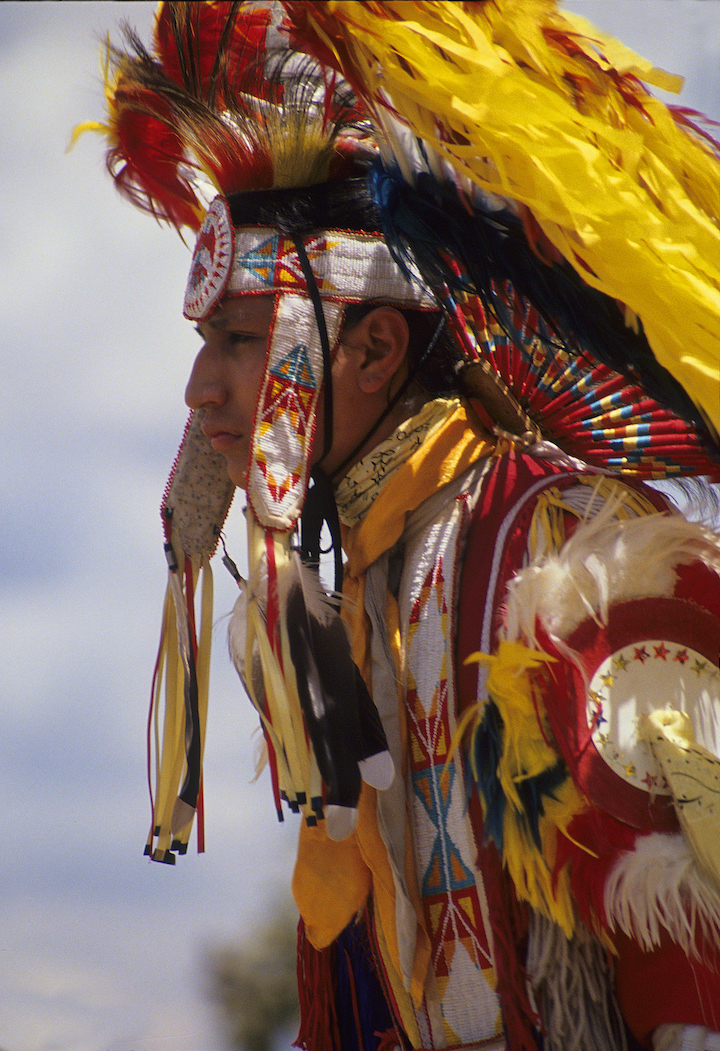
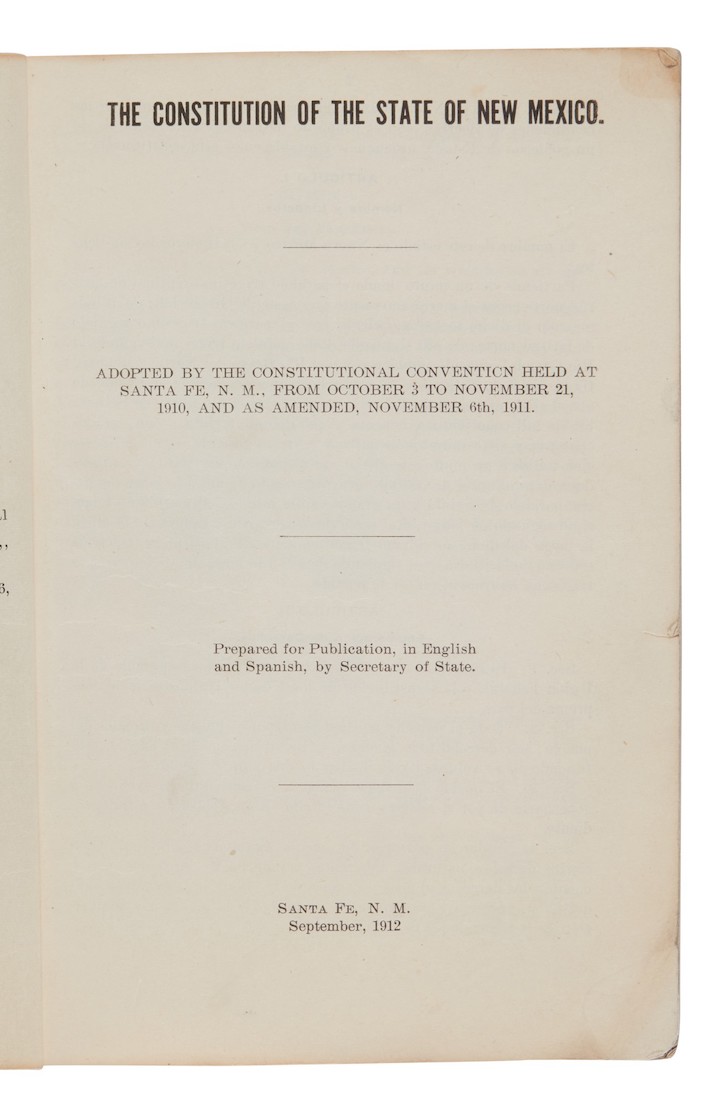
A breakthrough finally came in 1910, when Congress authorized the territory to draft a state constitution. Delegates gathered, debated, and ultimately produced a document that balanced democratic governance with protections for cultural and linguistic heritage. The constitution was approved by voters in 1911, clearing the final hurdle. Early in the new year, President William Howard Taft signed the proclamation that welcomed New Mexico into the Union.
Statehood day was met with celebration across the territory. In Santa Fe, bells rang and a new 47-star American flag was raised—an image that captured both pride and relief. For many residents, this moment represented recognition after generations of waiting: a confirmation that their home was no longer the edge of the nation, but an integral part of it.
Expansion into the Deep Southwest
New Mexico’s admission solidified U.S. control over a vast and strategically important region of the Southwest. Its statehood helped complete the continental framework of the nation, setting the stage for the modern map of the United States.
Cultural Significance
Unlike many earlier states, New Mexico entered the Union with a strong and visible multicultural identity. Its blend of Native American, Hispanic, and Anglo traditions challenged the notion of a single American cultural model and broadened the national understanding of what it meant to belong.

A Closing Frontier Chapter
New Mexico’s statehood—followed just weeks later by Arizona—effectively closed the era of continental expansion. Together, these admissions completed the contiguous United States of 48 states, a configuration that would last until Alaska and Hawaii joined in 1959.
For today’s readers, especially those reflecting on American history later in life, New Mexico’s journey to statehood offers a reminder that belonging is often hard-won. It underscores how patience, persistence, and respect for identity can shape a stronger, more inclusive nation.
–Lê Nguyễn Thanh Phương-
Sources for Further Reading
- History.com – New Mexico Joins the Union (January 6, 1912)
https://www.history.com/this-day-in-history/january-6/new-mexico-joins-the-union - New Mexico History Museum – 1912: New Mexico at Statehood
https://www.nmhistorymuseum.org/exhibition/details/6826/1912-new-mexico-at-statehood - Library of Congress – Territories to Statehood: The American Southwest
https://guides.loc.gov/chronicling-america-southwest-territories - National Archives – Documents Related to the Admission of New Mexico
https://www.archives.gov/milestone-documents - Encyclopedia Britannica – New Mexico: History and Statehood
https://www.britannica.com/place/New-Mexico