
In recent weeks, The Boeing Company (NYSE: BA) has been grabbing headlines not just in Wall Street boardrooms but across Asia — and particularly in Vietnam. Major aircraft orders from Vietnamese carriers have not only boosted Boeing’s commercial outlook but also sparked fresh debate among investors about execution risks, production timelines, and how geopolitical ties are shaping global aviation markets.
A Historic Moment for Vietnam’s Aviation Industry
Vietnam is quickly emerging as one of the most dynamic aviation markets in the world — and Boeing just made history here:
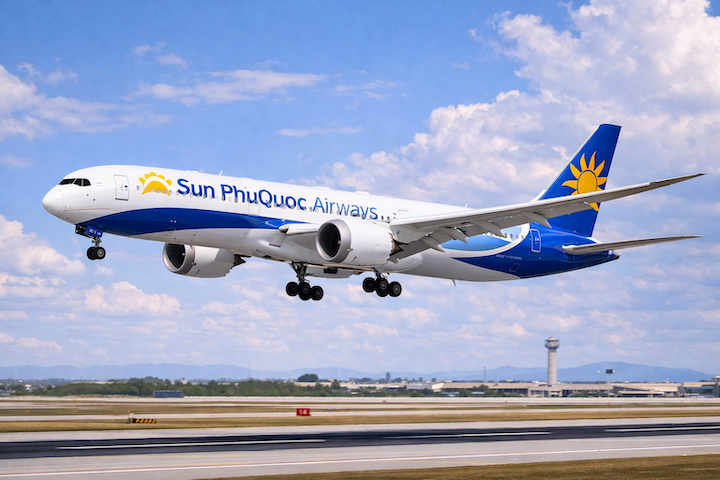
- Sun PhuQuoc Airways placed an order for 40 Boeing 787-9 Dreamliner wide-body jets — the largest wide-body aircraft purchase ever by a Vietnamese airline.
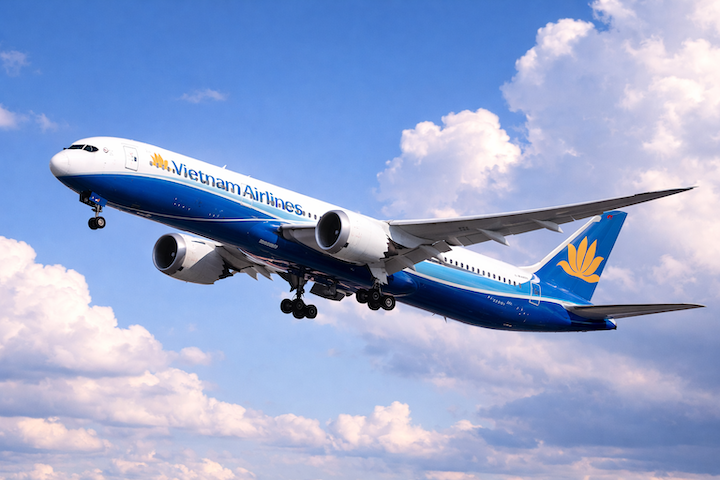
- The national flag carrier, Vietnam Airlines, finalized its first direct order for 50 Boeing 737-8 MAX single-aisle aircraft, reinforcing plans to grow both domestic and regional routes.
Together, these deals represent more than $30 billion in aircraft orders, a landmark vote of confidence in Boeing’s product lineup and Vietnam’s rapid air-travel growth potential.
🛫 What This Means for Boeing and Investors
For aviation watchers and investors alike, the Vietnam orders mean two big things:
- Demand Is Strong in Southeast Asia
With international travel rebounding and passenger growth expected to surge into the 2030s, carriers like Vietnam Airlines are modernizing fleets to compete globally. Boeing’s airplanes — from the fuel-efficient 737-8 MAX to the long-range Dreamliner — are central to that strategy. - Operational Execution Still Matters
Big headline numbers don’t always translate into smooth deliveries. Boeing has historically faced production and supply-chain challenges, and fulfilling a growing backlog — now even larger with the Vietnamese orders — will require ramped-up output and tight coordination with suppliers.
A Milestone for the 777-9 — Training Gets a Boost
Beyond sales, Boeing also achieved a key milestone on the 777X program — a next-generation long-haul jet that has been years in the making. Federal regulators in both the United States and Europe have now granted initial qualification for 777-9 pilot training devices, including full-flight simulators that help prepare flight crews for the advanced wide-body aircraft.
This step doesn’t yet mean the aircraft is certified to fly; rather, it clears an important regulatory hurdle that will allow Boeing and airlines to begin the detailed work of training pilots on the new jet’s systems and flight dynamics — a requirement before commercial operations can begin.
So, Should Investors “Act”?
For Vietnamese-American readers who follow global markets, the Boeing story right now mixes big commercial promise with practical execution questions:
- Prospects Are Undeniable: Large Asian orders and training progress on next-gen jets signal long-term demand and renewed momentum for one of America’s iconic manufacturers.
- Risks Remain: Production delays, certification timelines, and broader aerospace competition (especially from Europe’s Airbus) mean patience — and close monitoring — still matters.
In plain terms: Boeing’s future might be taking off again — just as its planes do — but not without a few turbulence patches ahead.
-Nguyễn Bách Khoa-