
Longevity, Heart Health, Mental Clarity & the Best Teas to Drink
For thousands of years, tea has been more than just a beverage. In many cultures—from China, Japan, and Vietnam to the United Kingdom—tea represents health, longevity, relaxation, and social connection.
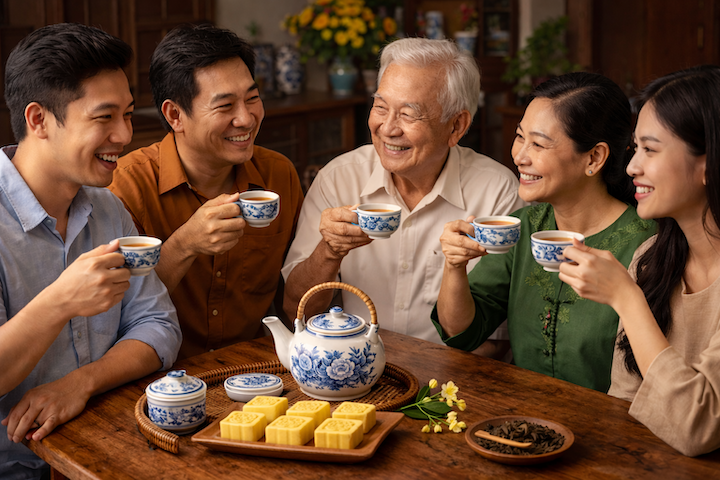
Modern medical research is now confirming what ancient traditions long believed: regular tea drinkers tend to live healthier and longer lives.
Large population studies show that people who drink tea regularly may experience:
- Lower risk of heart disease
- Reduced risk of type 2 diabetes
- Better weight control
- Improved mental alertness
- Lower stress levels
- Stronger bones
- Possible longevity benefits
The secret lies in the natural compounds found in tea, especially polyphenols, flavonoids, catechins, and L-theanine—plant chemicals that support the body’s cardiovascular, metabolic, and neurological systems.
Why Tea Is So Healthy
1. Tea May Help You Live Longer
Tea is rich in antioxidants that protect the body from oxidative stress, a key driver of aging and chronic disease.
Long-term studies in Japan and China have found that daily tea drinkers have lower mortality rates compared with people who rarely drink tea.
Antioxidants in tea help:
- Reduce inflammation
- Protect cells from damage
- Support immune function
- Slow age-related cellular decline
This may partly explain why tea is a staple beverage in many longevity cultures.
2. Lower Risk of Heart Disease
Heart disease remains the leading cause of death worldwide. Tea has been consistently associated with improved cardiovascular health.
Research suggests tea can:
- Lower LDL (“bad”) cholesterol
- Improve blood vessel flexibility
- Reduce inflammation in arteries
- Support healthy blood pressure
Studies show that drinking 2–3 cups of tea daily may significantly reduce the risk of heart attack and stroke.
3. Reduced Risk of Type 2 Diabetes
Tea compounds may help regulate how the body processes glucose.
Benefits include:
- Improved insulin sensitivity
- Slower carbohydrate absorption
- Reduced blood sugar spikes after meals
Several population studies show people who drink 3–4 cups of tea per day have a lower risk of developing type 2 diabetes.
4. Weight Management Support
Tea is not a miracle weight-loss drink, but it may help prevent gradual weight gain.
Some tea compounds:
- Increase fat oxidation
- Slightly increase metabolism
- Help regulate appetite
Green tea in particular has been studied for supporting metabolic health.
5. Calm Mental Alertness
Tea contains caffeine, but in smaller amounts than coffee.
More importantly, tea also contains L-theanine, an amino acid that promotes relaxation and focus.
The combination of caffeine + L-theanine produces:
- Calm alertness
- Improved concentration
- Reduced anxiety
This is why many people find tea energizing but less jittery than coffee.
6. Stress Reduction
Tea drinking is often associated with relaxation rituals.
L-theanine in tea stimulates alpha brain waves, which are linked to:
- relaxation
- improved mood
- reduced stress
Even the simple act of brewing tea can encourage mindfulness and calmness.
7. Stronger Bones
Some research suggests that long-term tea drinkers may have higher bone mineral density.
Possible reasons include:
- Polyphenols that support bone cells
- Trace minerals found in tea leaves
This could help explain why some older adults who drink tea regularly may experience lower fracture risk.
Understanding the Three Main Types of Tea
All traditional teas come from the same plant:
Camellia sinensis
The difference between teas comes from how the leaves are processed and oxidized.
Green Tea
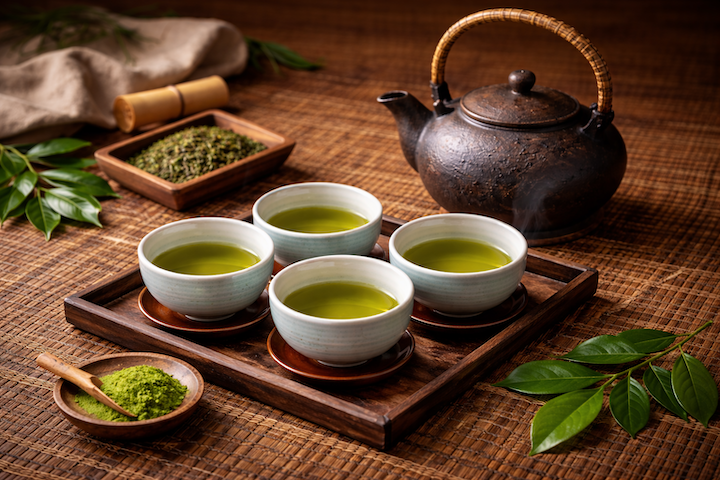
Green tea is the least processed form of tea. The leaves are quickly heated or steamed to stop oxidation.
Key compounds:
- Catechins
- EGCG (epigallocatechin gallate)
Health strengths:
- Powerful antioxidants
- Metabolic support
- Brain protection
- Heart health
Caffeine level:
Low to moderate
Popular varieties include:
- Sencha
- Matcha
- Dragon Well (Longjing)
Black Tea
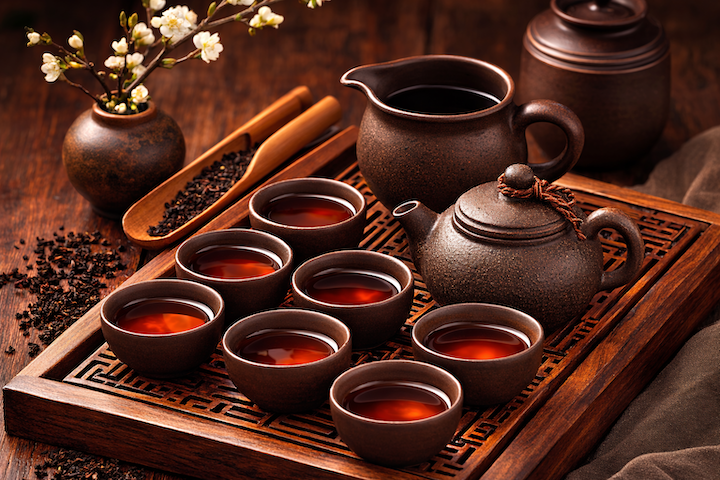
Black tea is fully oxidized, producing its darker color and stronger flavor.
Important compounds:
- Theaflavins
- Thearubigins
Health benefits:
- Cardiovascular protection
- Cholesterol reduction
- Gut microbiome support
Caffeine level:
Moderate
Common varieties:
- English Breakfast
- Earl Grey
- Assam
- Darjeeling
Oolong Tea
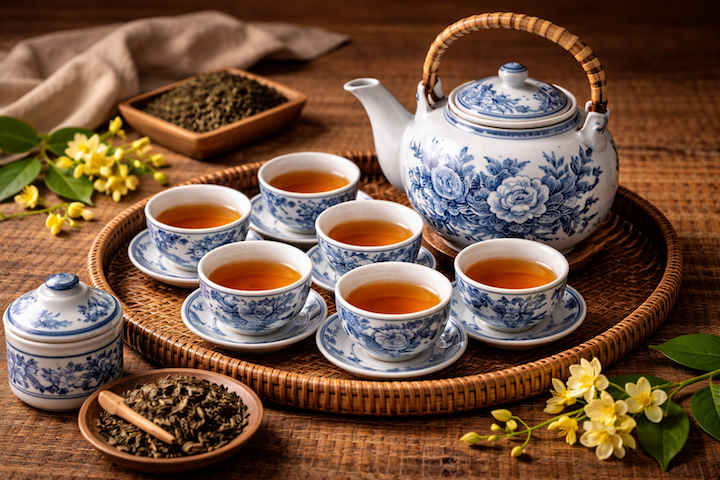
Oolong tea is partially oxidized, sitting between green and black tea.
Flavor profile:
- Floral
- Smooth
- Complex
Health strengths:
- Fat metabolism support
- Digestive health
- Balanced antioxidant profile
Caffeine level:
Moderate
Famous varieties include:
- Tie Guan Yin
- Da Hong Pao
- Taiwanese High Mountain Oolong
-Lê Nguyễn Thanh Phương-