
I arrived in Barcelona not just as a traveler, but as an architecture student on a quiet pilgrimage.
For years, I had studied blueprints, structural systems, and design philosophies. But there was one name that kept resurfacing—almost like a whisper across centuries: Antoni Gaudí.
Barcelona is not merely a city where Gaudí worked.
It is a city where his ideas took root, grew, and became alive.
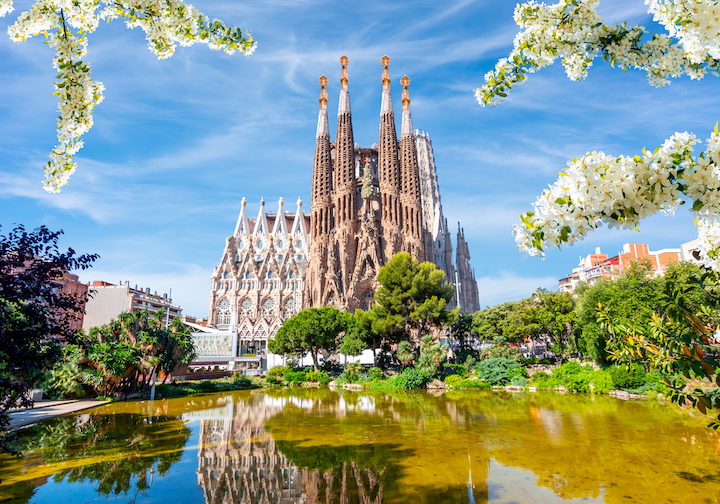 The Making of Gaudí: A Student Who Saw Nature as the Ultimate Architect
Before he became a legend, Gaudí was a young, somewhat reserved student at the Barcelona School of Architecture.
He wasn’t the top student in the conventional sense. In fact, one of his professors famously remarked:
“We have given this diploma either to a genius or a madman.”
As I walked through the same streets he once did, I began to understand why.
Gaudí did not believe in rigid lines or predictable symmetry.
Instead, he studied:
- The curvature of tree branches
- The geometry of honeycombs
- The flow of water and wind
These became his textbooks.
To Gaudí, nature was God’s architecture, and human design should simply follow it.
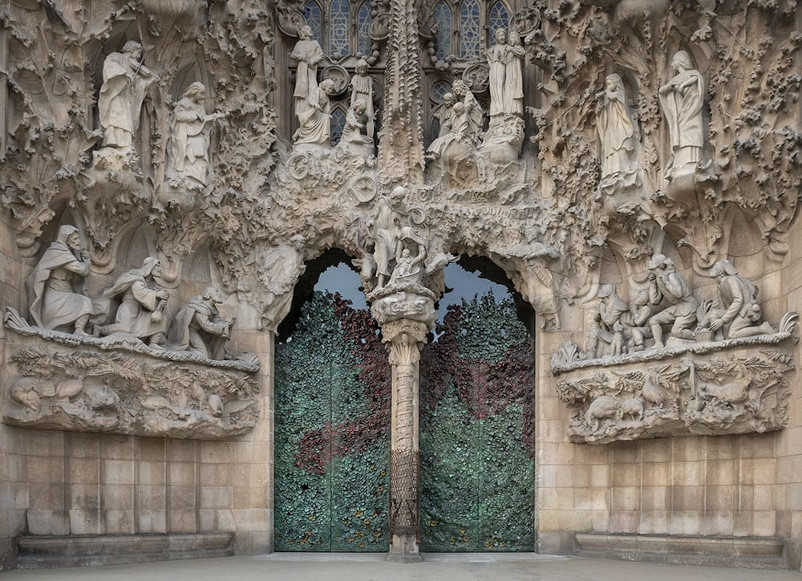
Art, Faith, and Humility: The Three Pillars of His Work
What struck me most during my journey was not just Gaudí’s creativity—but his deep spiritual conviction.
Gaudí was a devout Catholic.
As he matured, his work became less about fame and more about serving God through architecture.
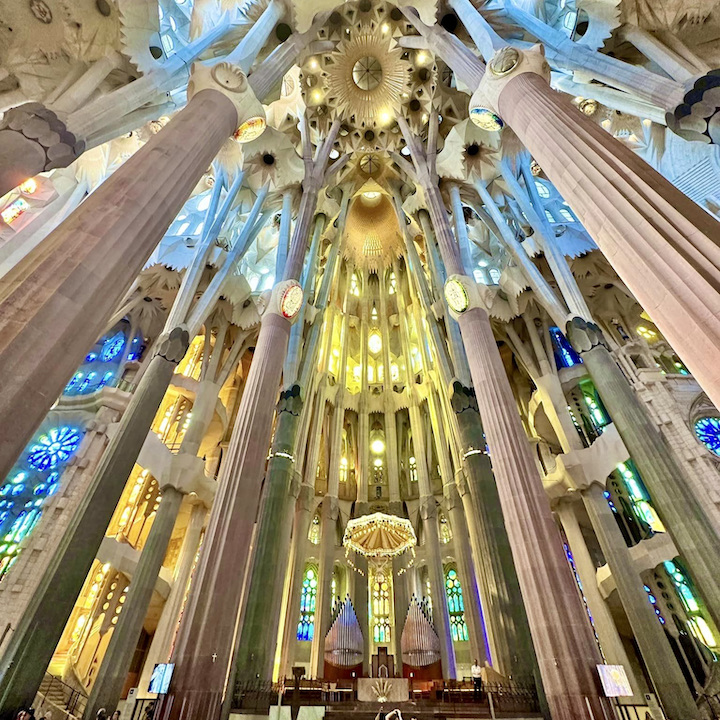
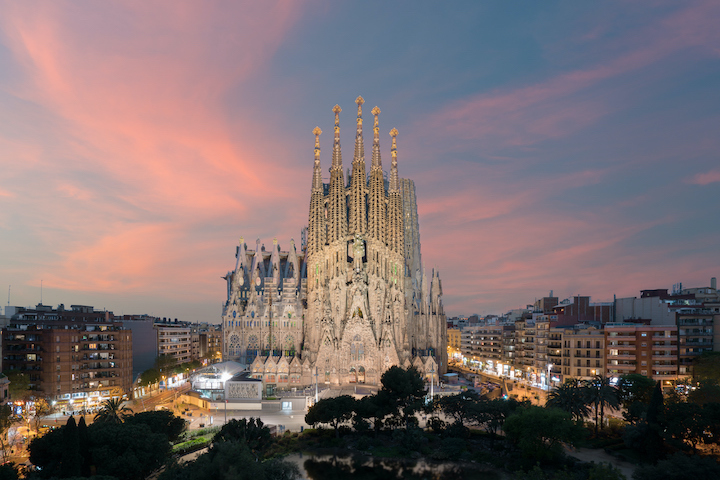
Inside La Sagrada Familia, I stood in silence as sunlight filtered through stained glass, casting colors like a living forest.
This was no ordinary building.
It was a prayer in stone.
One of the most humbling stories I learned:
Gaudí intentionally designed the tallest tower of La Sagrada Familia to remain slightly lower than Montjuïc hill, believing:
“Man must not surpass the work of God.”
That single decision reveals more about his character than any textbook ever could.
Masterpieces Across Barcelona: A Living Portfolio
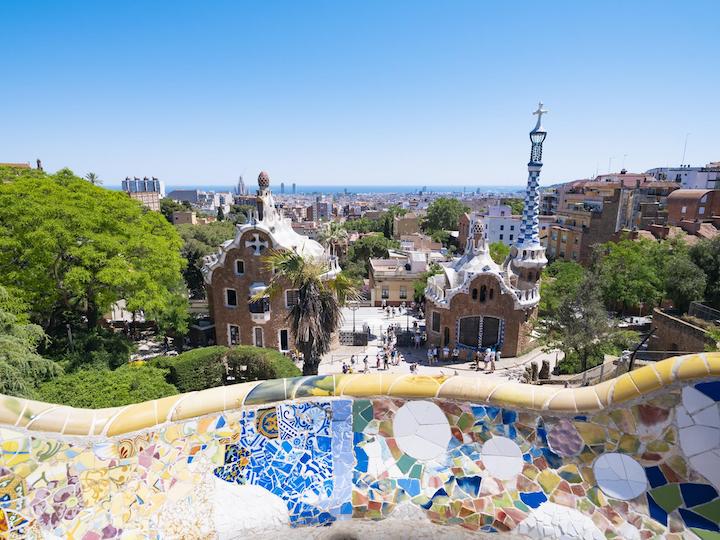
Park Güell – A Dream Shaped in Mosaic
At Park Güell, I saw how Gaudí blurred the line between architecture and fantasy.
Commissioned by Eusebi Güell, this space feels almost like stepping into a dream:
- Serpentine benches covered in vibrant mosaics
- Columns that resemble tree trunks
- Structures that seem grown rather than built
It is playful, yet deeply intentional.
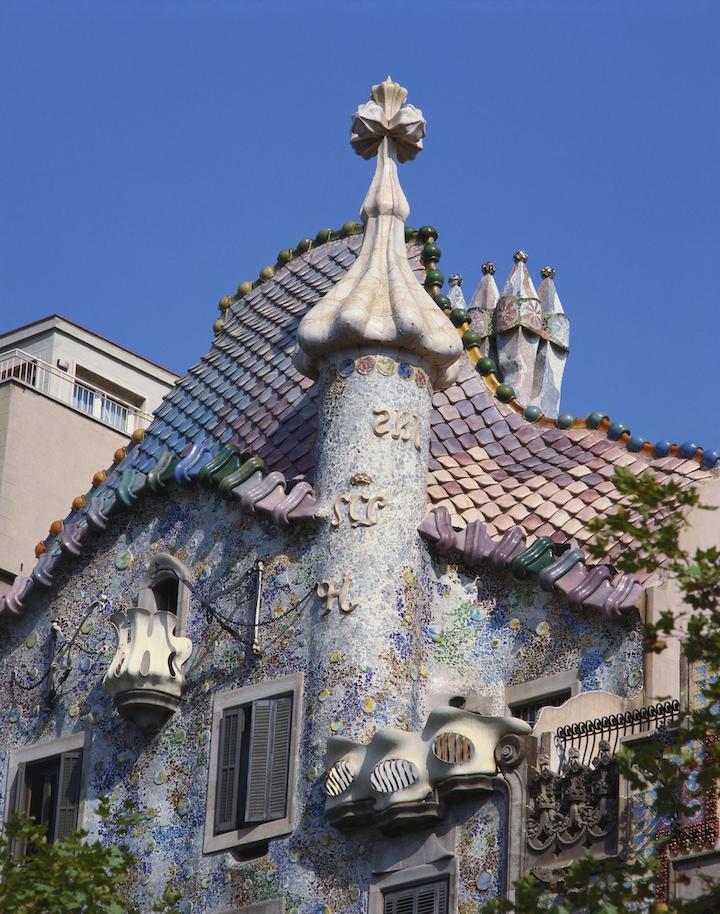
 Casa Batlló &
Casa Milà – The Poetry of Living Spaces
Walking along Passeig de Gràcia, I encountered two of his most iconic residential works:
- Casa Batlló
- Casa Milà
These are not just apartment buildings—they are sculptures people live in.
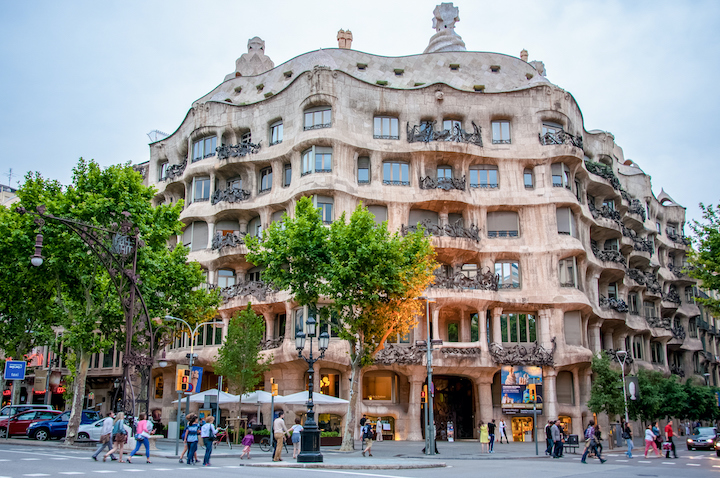
Even the chimneys look like abstract guardians.
As a student, I realized:
Gaudí didn’t design buildings—he designed experiences.
A Life Given Fully to One Purpose
In his later years, Gaudí withdrew from society.
He dressed simply, lived modestly, and devoted nearly all his time to one mission:
Completing La Sagrada Familia.
He even moved into a small workshop near the construction site.
Then came a tragic moment in 1926.
Gaudí was struck by a tram while walking through Barcelona.
Because of his humble appearance, he was mistaken for a beggar and did not receive immediate medical attention.
Days later, the city realized who he was.
Barcelona mourned not just an architect—but a man who had quietly given his life to something greater than himself.
Legacy: A Vision That Outlives Time
Today, nearly a century after his death, La Sagrada Familia is still under construction.
It is expected to be completed within this generation—a rare case where an architect’s vision transcends his lifetime.
Gaudí’s works are now recognized as UNESCO World Heritage Sites, and his influence reaches architects across the globe.
But for me—as a student standing in Barcelona—his legacy felt far more personal.
This journey was not just about architecture.
It was about understanding:
- How passion can shape a lifetime
- How faith can guide creativity
- How humility can elevate greatness
Gaudí reminds us that success is not always measured by recognition during our lifetime—but by the meaning we leave behind.
As I left Barcelona, I carried more than sketches and photographs.
I carried a question worth reflecting on—especially for those of us in later chapters of life:
What are we building today that will outlive us tomorrow?
-Joe Phạm-