
The gastrointestinal (GI) tract—which includes the esophagus, stomach, intestines, and colon—plays a crucial role in breaking down food, absorbing nutrients, and eliminating waste. When the GI system is interrupted or irritated, the results can be uncomfortable, painful, and in some cases, chronic. Whether you’re a senior or a young adult, understanding what can go wrong in the GI tract and how to respond is an important part of maintaining overall health.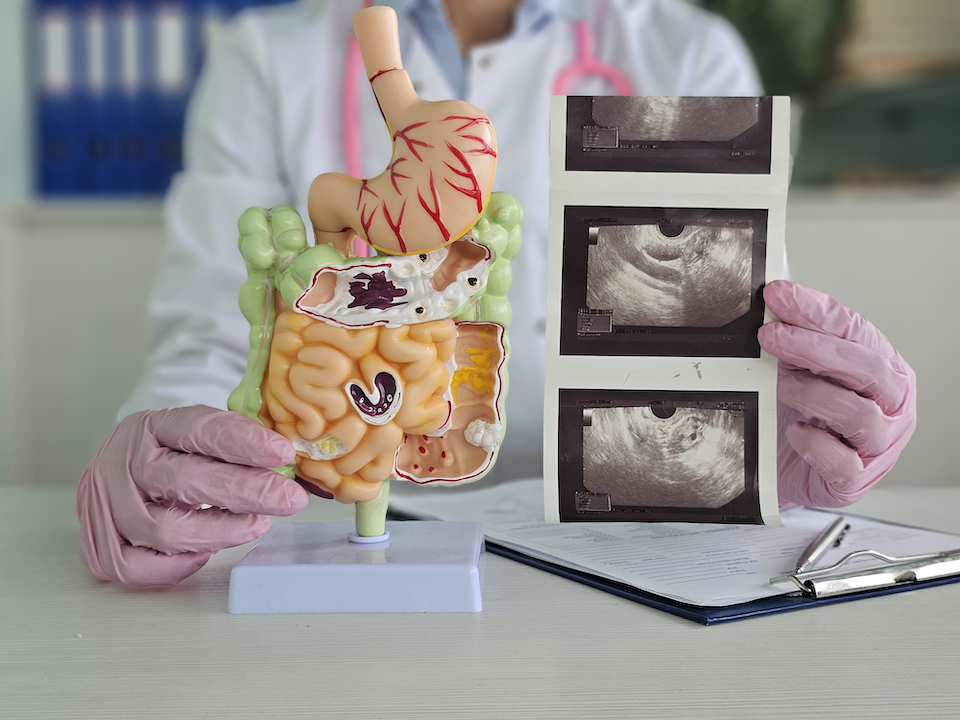
Common Causes of GI Issues
1. Poor Diet and Eating Habits
High-fat, high-sugar, low-fiber diets can lead to constipation, acid reflux, diverticulosis, or even colon cancer. Irregular meal timing, overeating, or not chewing properly can disrupt digestion.
2. Medications and Supplements
NSAIDs (like ibuprofen), antibiotics, and certain iron or calcium supplements can irritate the stomach lining, cause ulcers, or lead to diarrhea.
3. Food Intolerances and Allergies
Lactose intolerance, gluten sensitivity (celiac disease), and food allergies are common causes of bloating, gas, diarrhea, and abdominal pain.
4. Microbiome Imbalance (Dysbiosis)
A disruption in the balance of gut bacteria due to poor diet, stress, or antibiotics can cause inflammation, infection, or irritable bowel syndrome (IBS).
5. Stress and Mental Health
There is a strong connection between the brain and the gut. Anxiety, depression, or chronic stress can lead to stomachaches, nausea, and changes in bowel habits.
6. Age-Related Factors
As we age, the digestive system slows down. Seniors often experience reduced saliva secretion, weakened esophageal sphincters, slower bowel motility, and decreased stomach acid, which can affect nutrient absorption and increase risk of constipation or GERD (acid reflux disease).
Symptoms to Watch For
Changes in the GI tract can be subtle or sudden. Be mindful of the following signs:
- Bloating or gas
- Constipation or diarrhea
- Unexplained weight loss
- Persistent heartburn or acid reflux
- Blood in stool or black, tarry stool
- Abdominal pain or cramps
- Nausea or vomiting
- Difficulty swallowing (dysphagia)
- Chronic fatigue (often linked to malabsorption)
These symptoms may point to conditions such as GERD, peptic ulcers, Crohn’s disease, IBS, celiac disease, or even more serious illnesses like colon cancer.
Does Age or Gender Matter?
Seniors:
Older adults are more prone to digestive issues due to slower metabolism, weakening of the digestive tract muscles, decreased enzyme and acid production, and long-term medication use. Chronic conditions like diabetes and heart disease also affect gut function.
Younger Adults:
While younger people may face fewer age-related GI issues, they can still be affected by poor diet, stress, excessive alcohol intake, or underlying conditions like IBS and food allergies.
Gender Differences:
Women are more likely to experience IBS, constipation, and gallstones due to hormonal influences. Men, on the other hand, are more frequently diagnosed with conditions like Barrett’s esophagus (a precursor to esophageal cancer) and colorectal cancer at earlier ages.
When Should You Consult a Doctor?
Don’t ignore GI symptoms that:
- Persist for more than two weeks
- Frequently interrupt your daily routine
- Include blood in stools or vomiting
- Are accompanied by rapid or unexplained weight loss
- Cause severe and sudden pain
- Worsen after taking medication
Even occasional digestive discomfort deserves attention if it becomes a pattern. Colon cancer screening is recommended for all adults aged 45 and older, even if no symptoms are present.
How to Avoid or Manage GI Problems
- Eat a balanced diet rich in fiber, healthy fats, and whole foods
- Stay hydrated to promote smooth digestion
- Exercise regularly to stimulate intestinal muscles
- Avoid smoking and excessive alcohol
- Monitor medication side effects and discuss alternatives with your doctor
- Manage stress through relaxation techniques such as yoga or meditation
- Keep up with preventive screenings, such as colonoscopy
-Nguyễn Duy Khiêm-
Sources for Further Reading