
For many retirees, a home is more than a place to live. It holds memories, routines, familiarity, and peace of mind. That is why the desire to age at home—to remain in one’s own home for as long as possible—is so natural.
But aging at home does not mean staying there at any cost. Success depends on preparation, realism, and the ability to accept change when health is no longer what it once was.
True freedom is not refusing help.
True freedom is knowing when to make the best decision for yourself.
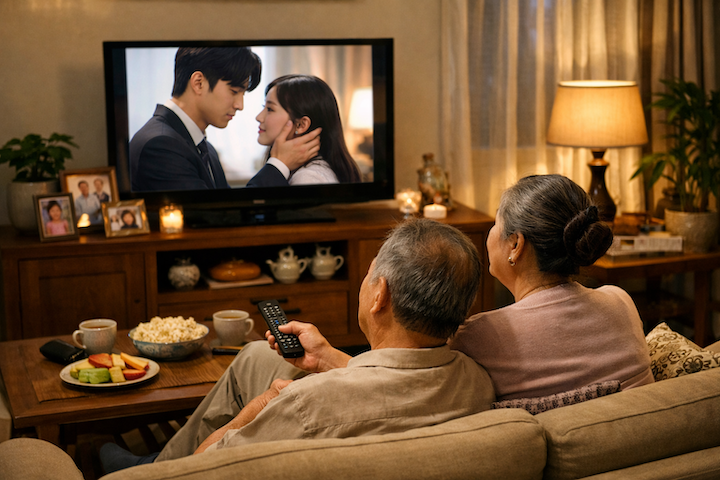
What Is Aging at Home?
Aging at home means continuing to live safely, comfortably, and independently in your own home instead of moving immediately into assisted living or a care facility.
That may include:
- Living independently with a few home modifications
- Hiring part-time help
- Receiving support from family
- Using meal delivery, transportation, or in-home care services
The goal is not perfection.
The goal is to preserve dignity and quality of life for as long as possible.
Why So Many Retirees Want to Stay Home
Familiar Comfort
Home is tied to memories and personal routines.
Lower Costs
If the mortgage is paid off, staying home may be more affordable—at least in the early years.
Personal Control
Choosing your own schedule, meals, activities, and private space.
Staying Close to Family and Community
Living near loved ones, friends, church, and doctors often supports emotional well-being.
Challenges That Should Not Be Ignored
Aging at home sounds ideal, but it comes with real risks.
Falls
A loose rug, poor lighting, slippery bathroom floors, or stairs without railings—one fall can change everything.
Loneliness
Living alone for too long can contribute to depression, anxiety, and memory decline.
Unsafe Driving
Declining vision, slower reaction time, medications, or cognitive changes can make driving dangerous.
Managing Health Gets Harder
Multiple prescriptions, appointments, and chronic conditions require close attention.
Home Maintenance Becomes a Burden
Cleaning, repairs, yard work, leaks, and unexpected problems may become overwhelming.
How to Make Aging at Home Work
Make the Home Safer
- Install grab bars
- Improve lighting
- Remove loose rugs
- Add non-slip flooring
- Use a first-floor bedroom if needed
Build a Support Network
No one should live completely alone.
Stay connected with:
- Family
- Trusted neighbors
- Friends
- Church community
- Doctors
- Caregivers
Keep Body and Mind Active
- Walk regularly
- Exercise gently
- Read
- Socialize
- Pray
- Learn something new
Organize Finances
- Automatic bill pay
- Clear records
- Power of attorney
- Living trust if appropriate
- Fraud awareness
When Is It Time to Accept Change?
This is the hardest part.
Many people say: “I will never leave my home.” But there comes a point when staying is no longer freedom—it becomes risk.
Be honest if these warning signs appear:
- Frequent falls
- Repeatedly forgetting medications
- Weight loss or poor eating
- Unsafe or neglected home conditions
- Wandering or confusion with money
- Severe loneliness
- Repeated hospital visits
At that stage, change is not failure. It is wisdom.
It Is Not Just Two Choices
The options are not only:
- Stay home alone
- Move into a nursing home
There are many middle-ground solutions:
- In-home care
- Adult day programs
- Moving closer to family
- Senior communities
- Assisted living
Choosing earlier is almost always better than waiting for a crisis.
Aging at home can be one of life’s most meaningful chapters—where freedom, familiarity, and dignity are preserved.
But freedom does not mean clinging to one house at any cost.
Freedom means living safely, joyfully, and adapting when necessary.
Stay independent as long as possible.
Accept help when needed.
Choose safety before it is too late.
That is aging wisely.
-Phan Trần Hương-