
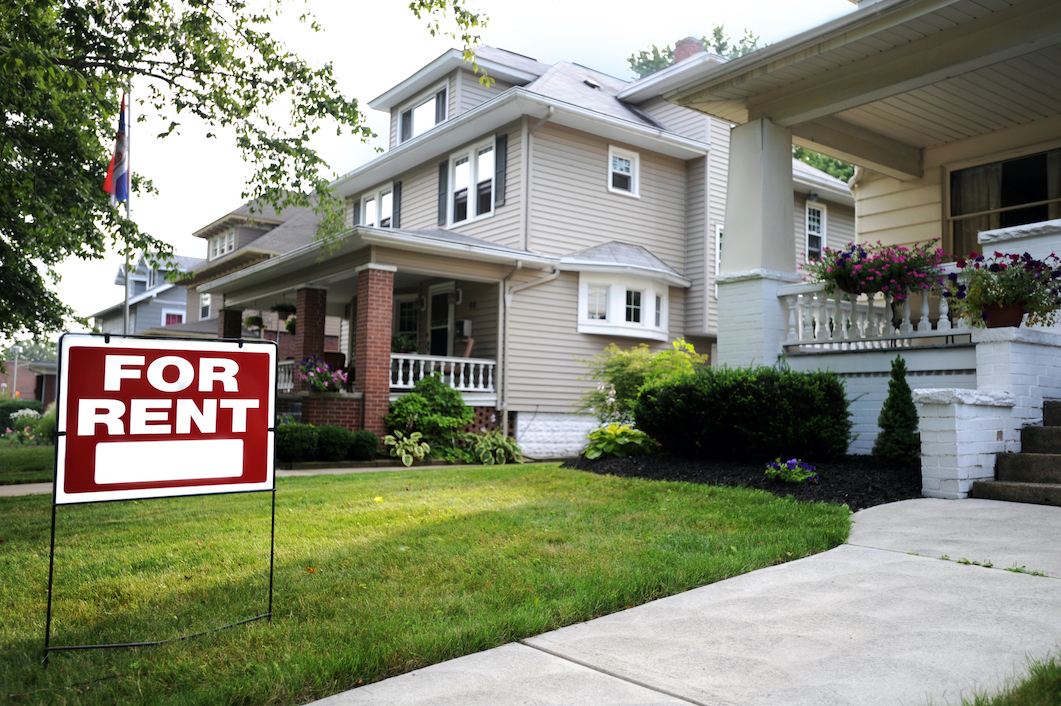
In Denver, a man named Phillip became a victim of a rental scam on Craigslist. Phillip flew from Vegas to Denver, visited the house with a real estate agent, signed a lease, paid the deposit and rent, but later discovered that the house had also been rented to two other people. This type of scam often involves the scammer showing the property using a lockbox code, possibly with inside help from contractors or agents. The scammer then impersonates the homeowner, gives tours of the property, and collects deposits and rent from multiple people following standard procedures.
To avoid falling victim to such scams, especially for seniors, it’s recommended to:
- Verify Ownership: Always confirm that the person renting the house is the rightful owner, legally owning the property, or having legal authority to lease the real estate. You can check property records through public websites or contact the local real estate authority.
- Be Cautious with Payment: Never transfer money through wire services or send payments via apps like Zelle or Venmo without legal verification. Scammers often request these payment methods to avoid detection.
- Visit with the Homeowner: Request to meet the homeowner or a certified property manager before signing any contracts or making payments. Be wary if the person showing the house avoids answering detailed questions or pressures you for urgent payments.
- Look for Suspicious Signs: If the rent seems too cheap compared to the market rate, or the listing lacks clear details, it might be a scam. Even listings copied from legitimate sources or those with watermarked images can be suspicious.
By staying alert and following the proper steps, renters can protect themselves and avoid being exploited in these scams that prey on trust and urgency.
-Liz Tran-