 Veterans Day, observed annually on November 11th, is a day of gratitude dedicated to the men and women who have served in the United States Armed Forces. Originally called “Armistice Day,” Veterans Day marks the anniversary of the end of World War I, the “war to end all wars.” In the United States, it has evolved into a day to honor all military veterans who have contributed to the nation’s security, resilience, and values. Its history, meaning, and unique role as a federal holiday help explain its importance and the varied ways Americans celebrate it.
History of Veterans Day
The origins of Veterans Day trace back to World War I, a conflict that profoundly changed the global landscape. On November 11, 1918, an armistice agreement was signed between the Allies and Germany, effectively ending the hostilities on the Western Front. In 1919, President Woodrow Wilson proclaimed November 11 as Armistice Day, a day to honor the heroism of those who had served in World War I. The day became a federal holiday in 1938, and with the conclusion of World War II and the Korean War, the scope of Armistice Day broadened. In 1954, President Dwight D. Eisenhower signed legislation renaming Armistice Day to “Veterans Day,” making it a day of recognition for all U.S. veterans, not just those who served in World War I.
The Meaning of Veterans Day
Veterans Day is more than a holiday; it is a time for Americans to express their gratitude to all military veterans, acknowledging their sacrifices, valor, and patriotism. This day holds a deeply symbolic meaning, reminding Americans of the freedoms they enjoy because of the sacrifices of military personnel. It’s also a time for communities to come together, foster national unity, and reflect on the role of service in sustaining democracy. While Memorial Day is dedicated to those who have died in military service, Veterans Day celebrates all who have served, including those who are still with us today.
Facts about Veterans Day
Here are some lesser-known facts about Veterans Day:
- Date Significance: Veterans Day is always observed on November 11, regardless of the day of the week. The decision to maintain the date honors the end of World War I at the eleventh hour of the eleventh day of the eleventh month.
- International Celebrations: The U.S. is not alone in celebrating November 11; many other countries observe the day, often as Remembrance Day or Armistice Day, paying tribute to those who served in World Wars.
- Moment of Silence: At 11:00 a.m., some Americans observe a moment of silence, honoring the historical armistice and reflecting on the service of U.S. veterans.
- Veterans Population: As of recent years, the United States has around 18 million veterans, spanning World War II to more recent conflicts in Iraq and Afghanistan.
How Veterans Day Is Celebrated in the U.S.
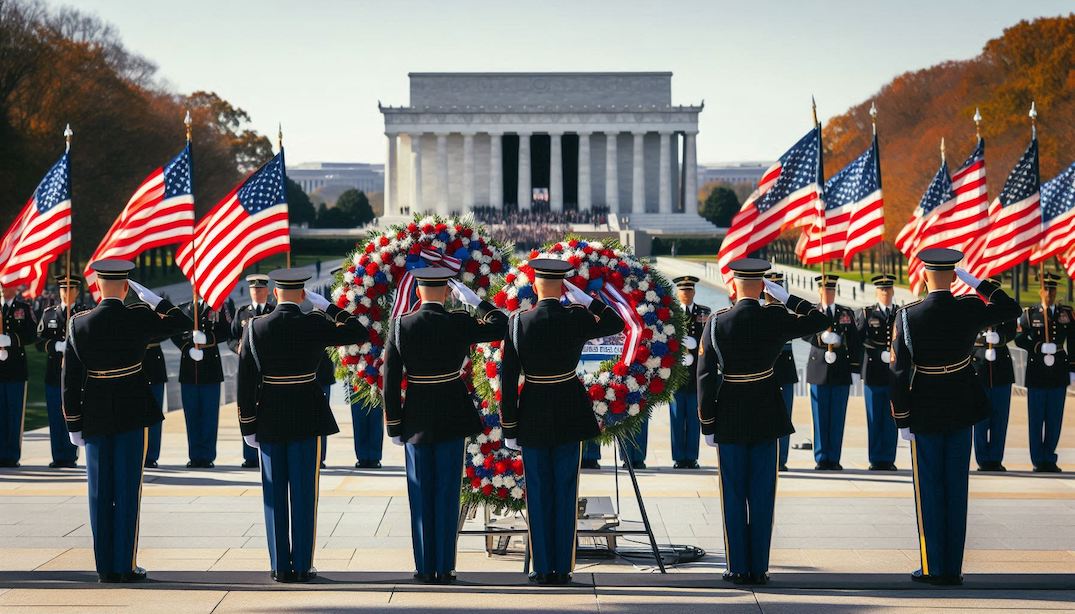
Veterans Day is celebrated across the United States in a variety of ways. Major cities host parades featuring veterans, military personnel, marching bands, and floats that honor different branches of the military. The largest Veterans Day parade occurs in New York City, drawing thousands of spectators and participants each year. In Washington, D.C., an annual ceremony at Arlington National Cemetery includes the laying of a wreath at the Tomb of the Unknown Soldier, attended by government officials, veterans, and their families.
Local communities also find ways to honor veterans. Schools may organize assemblies to educate students about the significance of Veterans Day, and community centers often host events where veterans share their experiences. In addition, many restaurants and businesses provide discounts or free meals to veterans as a token of gratitude.
Why Veterans Day Is a Federal Holiday but Not a Required Day Off
Veterans Day is a federal holiday, meaning government offices, post offices, and banks are generally closed. However, unlike some federal holidays, private companies are not required to give employees the day off. Federal holidays apply mainly to federal government employees, and while banks typically close, private-sector businesses can choose whether or not to observe the holiday.
Many businesses may choose to stay open because Veterans Day does not have the retail focus of holidays like Christmas or Thanksgiving, and closing may result in lost business. However, companies may still choose to honor veterans in other ways, such as offering discounts to veterans, hosting events, or providing a brief company-wide moment of reflection.
Veterans Day serves as an enduring reminder of the sacrifices made by those who served in the U.S. military, allowing Americans to express gratitude for their bravery and dedication. Through parades, ceremonies, discounts, and moments of silence, Americans across the nation find ways to honor veterans and acknowledge their contributions. The day’s status as a federal holiday underlines the importance of military service to the nation’s values and history, yet the flexibility for private-sector observance speaks to the diversity of ways people choose to celebrate and remember. As veterans continue to play an essential role in communities, Veterans Day remains a vital occasion for fostering respect, unity, and appreciation among Americans.
-Lê Nguyễn Thanh Phương-