
For many Vietnamese Americans who came to the United States later in life—or who built a new life here after years of sacrifice—faith is more than a Sunday habit. It can be a source of identity, resilience, family continuity, and emotional strength. In later years, religion often becomes even more meaningful as people face retirement, health concerns, loneliness, grief, and questions about purpose.
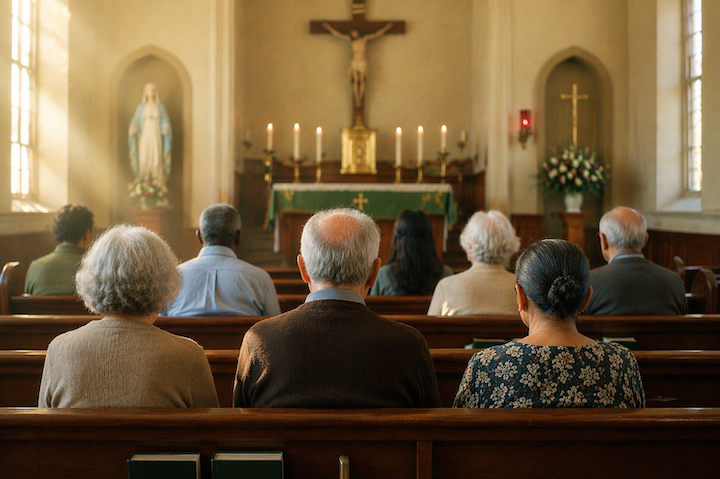
Research over many years suggests that religious involvement—such as attending services, praying, reading sacred texts, joining fellowship groups, or volunteering through a faith community—may be associated with better mental health and, in some cases, better physical health among older adults.
That does not mean religion is the only path to well-being, nor that every person experiences faith in the same way. But for many seniors, especially immigrant communities like Vietnamese Americans, religion can be an important pillar of healthy aging.
Why Religion Matters in Later Life
As people grow older, life often changes in profound ways:
- Retirement may reduce daily structure
- Children may move away
- Friends may pass on
- Health problems may increase
- Independence may become harder to maintain
- Questions about legacy and meaning may grow stronger
Faith communities often respond to these needs in ways that go beyond theology. They provide belonging, routine, hope, and relationships.
For many Vietnamese seniors in the U.S., places of worship are also cultural anchors where language, traditions, music, and familiar values are preserved.
Mental Health Benefits of Religious Participation
1. Lower Risk of Depression
Several studies have found that older adults who regularly attend religious services often report fewer depressive symptoms than those who are socially isolated or disconnected from meaningful communities.
Possible reasons include:
- Social contact and friendship
- Emotional support during hardship
- A sense of hope
- Encouragement during illness
- Rituals that provide comfort
- Opportunities to help others
For seniors who live alone or have lost a spouse, these supports can be especially valuable.
2. Greater Meaning and Purpose
Retirement can sometimes create an emotional vacuum. A person who once worked, raised children, and cared for others may suddenly wonder: What is my role now?
Religion can help answer that question by reinforcing values such as:
- Service
- Gratitude
- Compassion
- Forgiveness
- Responsibility
- Hope
Having purpose is strongly linked in aging research with better emotional resilience and life satisfaction.
3. Better Coping With Grief and Stress
Older adults often experience more loss: friends, siblings, spouses, health, mobility, or financial certainty.
Prayer, meditation, worship, scripture reading, and spiritual counseling may help people process grief and uncertainty. Faith traditions often provide language and rituals for suffering, healing, and remembrance.
That can reduce feelings of helplessness and despair.
Physical Health Benefits: What Research Suggests
Religion is not a substitute for doctors, medication, or exercise. But some studies suggest that religious engagement may indirectly support physical health.
1. Stronger Social Networks = Better Health
Seniors with regular community contact are often more likely to:
- Notice symptoms earlier
- Ask for help
- Get rides to appointments
- Receive meals or check-ins
- Stay active
- Recover better after illness
Isolation, by contrast, is associated with poorer health outcomes.
2. Healthier Lifestyle Habits
Many faith traditions encourage moderation, self-discipline, and care for the body. Depending on the person and community, this may support:
- Less smoking
- Lower alcohol misuse
- Better stress management
- More consistent routines
- Volunteer activity and movement
- Better sleep habits through reduced anxiety
3. Reduced Stress Response
Chronic stress can affect blood pressure, sleep, immunity, and heart health. Practices such as prayer, contemplation, chanting, breathing, or meditation may help calm the nervous system.
Even a few minutes of quiet spiritual practice each day can help some seniors feel more grounded.
Why This Is Especially Relevant for Vietnamese Seniors in the U.S.
For many in the HuuTri.org community, faith is woven into family and culture. Whether Catholic, Buddhist, Protestant, Cao Đài, Hòa Hảo, or another tradition, religion may serve multiple roles:
Cultural Continuity
Temples and churches often preserve Vietnamese language, food, music, and customs.
Intergenerational Connection
Grandparents often bring younger generations into traditions, holidays, and values.
Emotional Refuge
Immigration, trauma, war memories, caregiving burdens, and loneliness can be heavy. Faith spaces may provide healing.
Trusted Guidance
Many seniors are more comfortable seeking help through clergy or spiritual leaders than through formal mental health systems.
Important Caution: Faith Should Support, Not Replace Care
Religion can be powerful—but it should not replace needed medical or mental health treatment.
Seek professional help if a senior experiences:
- Persistent sadness
- Severe anxiety
- Memory decline
- Sleep disruption
- Weight loss
- Social withdrawal
- Thoughts of hopelessness
- Confusion or paranoia
The healthiest approach is often faith + family + community + professional care.
What If Someone Values Religion but No Longer Attends?
Your original article raises an important point: some people deeply value faith but no longer attend services. That may happen because of:
- Illness
- Transportation problems
- Hearing loss
- Language barriers
- Caregiving responsibilities
- Depression
- Feeling disconnected
- Mobility issues
In these cases, the issue may not be lack of faith—it may be lack of access.
Helpful alternatives:
- Livestream worship services
- Home prayer groups
- Phone calls from ministry teams
- Transportation assistance
- Senior fellowship lunches
- Faith-based volunteer visits
- Reading spiritual materials at home
- Small support circles in Vietnamese
Practical Ideas for HuuTri.org Readers
If You Are a Senior
- Attend regularly if you are able
- Join a small group or volunteer team
- Build friendships, not just attendance
- Maintain prayer or meditation at home
- Ask for help when struggling
If You Are an Adult Child
- Help parents with rides or livestream access
- Encourage social connection
- Notice signs of depression or isolation
- Respect their beliefs and routines
If You Lead a Community
- Offer transportation for seniors
- Provide Vietnamese-language support
- Check in on widows, widowers, and homebound elders
- Partner with health professionals when needed
Final Thought
Healthy aging is not only about prescriptions, finances, or exercise. It is also about belonging, meaning, hope, and human connection.
For many older Vietnamese Americans, religion remains one of the most enduring sources of strength. When faith is paired with family support, medical care, and community engagement, it can help seniors live not only longer—but with greater peace, dignity, and joy.
-Bùi Duy Tâm-
Sources for Further Reading
- Harvard T.H. Chan School of Public Health – Religion and Health Research
https://www.hsph.harvard.edu/ - London School of Economics – Social Participation and Mental Wellbeing Studies
https://www.lse.ac.uk/ - National Institute on Aging – Social Isolation and Loneliness in Older Adults
https://www.nia.nih.gov/ - CDC – Healthy Aging Resources
https://www.cdc.gov/aging/ - American Psychological Association – Religion, Spirituality, and Mental Health
https://www.apa.org/ - Mayo Clinic – Stress Management and Meditation
https://www.mayoclinic.org/ - National Alliance on Mental Illness (NAMI) – Older Adult Mental Health
https://www.nami.org/