
What It Really Means:
Every May 5th, the vibrant sounds of mariachi bands, the scent of sizzling tacos, and the whirl of folkloric skirts fill streets across the United States. But what exactly is Cinco de Mayo, and why is it celebrated so widely outside of Mexico—especially in American cities with large Mexican communities?
Contrary to popular belief, Cinco de Mayo is not Mexico’s Independence Day. That significant event is celebrated on September 16, marking the beginning of Mexico’s war for independence from Spain in 1810. Cinco de Mayo commemorates the Mexican army’s unlikely victory over French forces at the Battle of Puebla on May 5, 1862. Under the leadership of General Ignacio Zaragoza, the under-equipped Mexican troops triumphed against a much larger and better-armed French army. Though it was not a decisive war-ending victory, it became a symbol of Mexican resistance and resilience.
Is It a National Holiday in Mexico?
Surprisingly, Cinco de Mayo is not a national holiday in Mexico. In fact, it is primarily observed in the state of Puebla, where the battle occurred. In most parts of Mexico, May 5th is a regular work and school day, with little fanfare or public celebration. This explains why many Mexicans—especially those from regions outside Puebla—do not view Cinco de Mayo as a major holiday. It’s often seen as a more localized, regional commemoration rather than a nationwide festival.
Why Do Americans Celebrate It More?
In the United States, Cinco de Mayo has evolved into a broader celebration of Mexican-American culture and heritage, particularly in communities with significant Mexican populations. It became more prominent in the 1960s during the Chicano civil rights movement as a symbol of cultural pride. Over time, it gained popularity through educational events, parades, and yes—plenty of food and festivities.
What Do People Wear to Cinco de Mayo Events?
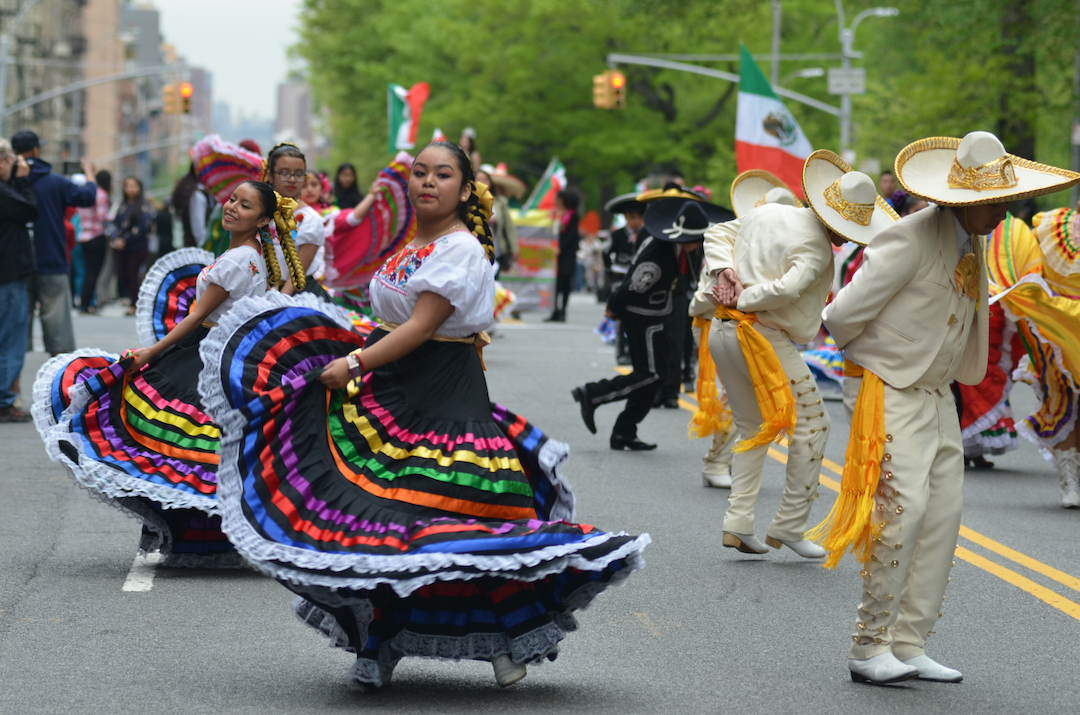
At Cinco de Mayo celebrations in the U.S., it’s common to see colorful costumes inspired by traditional Mexican attire. Women might wear “china poblana” dresses, featuring embroidered flowers and bright colors, often accompanied by ribbons and braids in their hair. Men might don charro suits, sombreros, or outfits resembling mariachi musicians. Children often join in the fun dressed in similar festive clothing, proudly waving miniature Mexican flags.
Where in the U.S. Is Cinco de Mayo Celebrated Most?
Cities with the largest Mexican-American populations naturally host some of the most elaborate Cinco de Mayo celebrations. Here are a few standouts:
- Los Angeles, California – Home to the largest Mexican population in the U.S., L.A. hosts “Fiesta Broadway,” the largest Cinco de Mayo festival in the country. The event features live music, traditional dances, food vendors, and family-friendly activities stretching across several downtown blocks.
- Chicago, Illinois – With a rich Mexican-American community, Chicago holds parades in Little Village, street festivals, and art exhibitions that honor Mexican heritage.
- Houston and San Antonio, Texas – Both cities celebrate Cinco de Mayo with parades, rodeos, folklórico dances, and mariachi competitions, reflecting their deep historical ties to Mexican culture.
- Denver, Colorado – Denver’s Cinco de Mayo “Celebrate Culture” Festival attracts hundreds of thousands of visitors each year with its carnival rides, art booths, food trucks, and live performances.
- Phoenix, Arizona – Known for its multicultural events, Phoenix celebrates with street fairs, music, and community programs focused on education and cultural pride.
A Celebration of Identity and Resilience
While Cinco de Mayo may be rooted in a specific historical event, its meaning has expanded over the decades. For many Mexican-Americans, it’s a day to honor their roots, celebrate cultural pride, and educate others about the richness of Mexican history and contributions to American society.
So the next time you enjoy a taco or raise a glass of horchata on May 5th, remember—it’s more than just a party. It’s a proud celebration of identity, resilience, and the vibrant spirit of a community that continues to shape the cultural fabric of America.
-Thanh Thuỷ-
Sources for Further Reading:
- National Museum of American History: Cinco de Mayo and the Chicano Movement
- History.com: What is Cinco de Mayo?
- Pew Research Center: Facts about the U.S. Hispanic population