
“Sometimes, a warm cup of tea is more than just a beverage — it is memory, peace, and shared stories.”
Every year on May 21, the world celebrates International Tea Day, officially recognized by the United Nations as a day to honor the cultural, economic, and social significance of tea — one of the oldest and most beloved beverages on Earth.
For many Vietnamese families, tea is far more than a drink. A warm pot of tea welcomes guests, begins the morning, accompanies family conversations, and offers moments of quiet reflection for older adults. From lotus tea in Hanoi to jasmine tea in Southern Vietnam and oolong tea from the highlands, tea culture has been deeply woven into Asian life for centuries.
The Origins of Tea: An Ancient Chinese Discovery
According to historical accounts and legend, tea originated in China more than 5,000 years ago. One popular story says that in 2737 BC, Emperor Shen Nong accidentally discovered tea when tea leaves drifted into boiling water he was preparing. Captivated by the aroma and refreshing taste, he began drinking it regularly, and tea slowly became part of Chinese medicine and daily life.
From China, tea spread throughout Asia — including Japan, Korea, and Vietnam — through trade and Buddhist cultural exchanges. By the 17th century, Dutch and British merchants brought tea to Europe, where it quickly became associated with elegance, hospitality, and social gatherings.
Why Was International Tea Day Created?
International Tea Day was first observed in 2005 by tea-producing countries to raise awareness about tea workers, fair trade practices, sustainable farming, and the livelihoods of millions of tea growers worldwide.
In 2019, the United Nations officially declared May 21 as International Tea Day to recognize tea’s importance in reducing poverty and supporting rural economies.
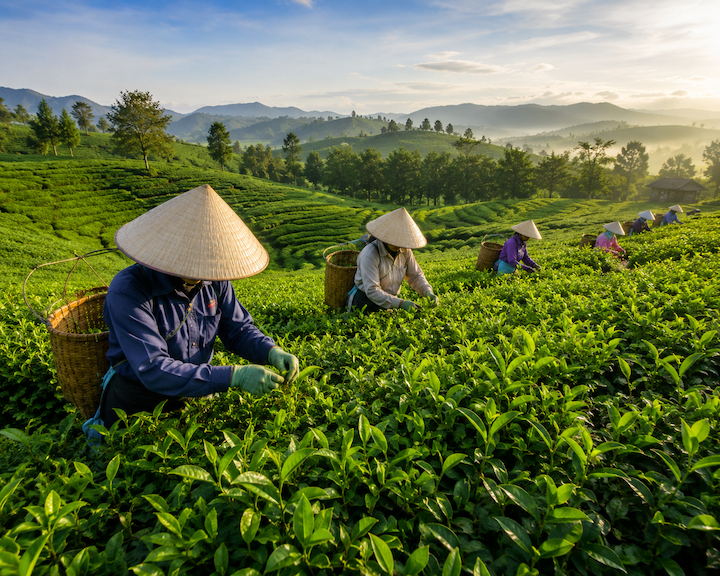
Today, the global tea industry is worth billions of dollars annually and supports millions of small farmers and workers across Asia, Africa, and South America.
Which Country Produces the Most Tea?
Today, China is the world’s largest tea producer, accounting for more than half of global tea production with over 3.7 million metric tons annually.
The top tea-producing countries include:
- China
- India
- Kenya
- Sri Lanka
- Vietnam
Each country is known for distinct tea traditions:
- India is famous for Assam and Darjeeling tea.
- Sri Lanka is renowned for its world-famous Ceylon Tea.
- Kenya is one of the largest exporters of black tea.
- Vietnam continues to grow its reputation for green tea and premium oolong tea exports.
Popular Types of Tea Around the World
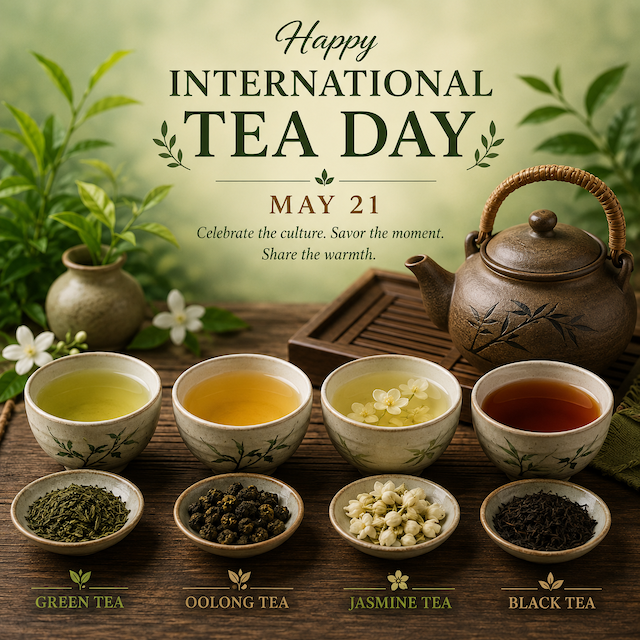
Although thousands of tea varieties exist, most come from the same plant: Camellia sinensis. The difference lies in processing methods and oxidation levels.
Green Tea
Lightly processed with minimal oxidation, green tea has a fresh, delicate flavor and remains popular in China, Japan, and Vietnam.
Oolong Tea
Partially oxidized, oolong tea offers a rich aroma and complex flavor profile, especially popular in Taiwan and China.
Jasmine Tea
Usually green tea scented with jasmine flowers, known for its calming floral fragrance.
Black Tea
Fully oxidized, black tea has a stronger taste and is commonly consumed in the United Kingdom, India, and many Western countries.
Why Many Older Adults Enjoy Tea
For many older adults, tea represents comfort, routine, and peaceful living. A quiet morning with a warm cup of tea often becomes one of life’s simplest yet most meaningful pleasures.
Research also suggests that tea may offer several health benefits when consumed in moderation, including:
- Supporting relaxation
- Improving focus and alertness
- Providing antioxidants
- Supporting heart health
However, older adults should also be mindful of caffeine levels in stronger teas, especially if they are sensitive to sleep disturbances or blood pressure concerns.
One Cup of Tea, One Moment of Peace
In today’s fast-moving world, tea continues to play a unique role: helping people slow down, reconnect, and share conversations.
Perhaps that is why tea has survived for thousands of years — not simply because of its taste, but because of the moments and memories it creates.
This International Tea Day, the most meaningful celebration may not be drinking the most expensive tea — but simply sitting down with loved ones, sharing a warm cup, and enjoying life’s quiet moments together.
-Thanh Thuỷ-