
Can certain foods prevent cancer? According to a recent WebMD overview, no single food can prevent or cure cancer. However, a healthy eating pattern—especially one rich in plant-based foods—may help lower the risk of developing certain cancers while also supporting heart health, digestion, weight control, and overall well-being.
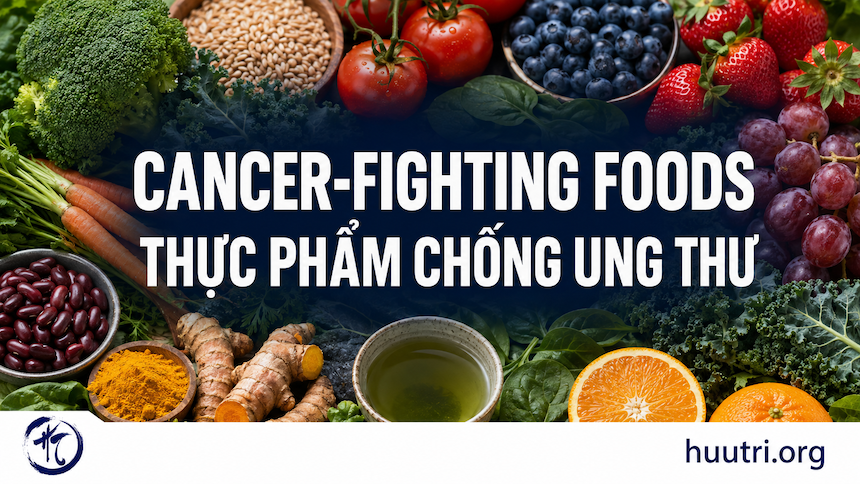 Build a colorful, plant-focused plate
WebMD recommends filling most of the plate with vegetables, fruits, beans, and whole grains, while keeping meat and other animal foods to a smaller portion.
Different colors often indicate different protective plant compounds. Good choices include:
- Dark-green vegetables such as spinach, kale, romaine lettuce, and broccoli
- Red and orange foods such as tomatoes, carrots, sweet potatoes, and watermelon
- Purple and blue fruits such as blueberries, blackberries, and grapes
- Beans, lentils, peas, oats, brown rice, and other fiber-rich foods
The American Cancer Society recommends approximately 2½–3 cups of vegetables and 1½–2 cups of fruit daily, depending on individual calorie needs. Whole fruits are generally preferable to juice because they retain more fiber. American Cancer Society
Foods highlighted in the article
WebMD identifies several foods and nutrients being studied for their possible protective effects:
- Folate-rich foods: Spinach, romaine lettuce, asparagus, beans, eggs, oranges, melons, and strawberries provide folate, an important B vitamin involved in healthy cell development.
- Cruciferous vegetables: Broccoli, cabbage, cauliflower, Brussels sprouts, bok choy, and kale contain natural plant compounds that researchers continue to study.
- Berries: Strawberries, blueberries, and raspberries contain antioxidants that may help protect cells from damage.
- Tomatoes: Lycopene—the pigment that gives tomatoes their red color—is being studied for possible protection against certain cancers.
- Grapes: Red and purple grapes contain resveratrol and other antioxidants. Eating grapes is preferable to drinking wine to obtain these compounds.
- Green tea: Laboratory research suggests that compounds in green tea may affect the development of cancer cells, but evidence in people remains incomplete.
- Turmeric: Curcumin, the active compound in turmeric, has shown promising effects in laboratory studies, but it has not been proven to prevent or treat cancer in humans.
- Water and unsweetened fluids: Adequate hydration supports digestion and normal body functions. Drinking water may also help people consume fewer sugary beverages.
Foods and beverages to limit
A cancer-conscious diet should reduce:
- Bacon, sausage, hot dogs, ham, salami, and other processed meats
- Large portions of red meat
- Sugary drinks and foods high in added sugar
- Highly processed foods and refined grains
- Alcohol
Processed meat is associated with a higher risk of colorectal cancer. For cancer prevention, avoiding alcohol is safest; drinking wine specifically for resveratrol is not recommended.
The most important message
The phrase “cancer-fighting foods” should not be interpreted literally. These foods do not destroy cancer inside the body, replace screening, or substitute for surgery, radiation, chemotherapy, immunotherapy, or prescription medicine. The National Cancer Institute notes that research generally cannot prove that one individual food prevents cancer. The benefit appears to come from a consistent overall eating pattern, not a single “superfood.” National Cancer Institute
For older adults, the practical goal is simple: eat a variety of colorful plant foods, choose whole grains and beans frequently, maintain a healthy weight, limit processed meats and alcohol, remain physically active, and complete recommended cancer screenings.
People undergoing cancer treatment—or taking blood thinners, diabetes medicine, or other prescriptions—should speak with their physician or oncology dietitian before using concentrated turmeric, green-tea extracts, antioxidant products, or other dietary supplements. Supplements may interact with medications or cancer treatments.
-Thanh Thuỷ-
Sources
- WebMD – Cancer-Fighting Foods: Resveratrol, Green Tea, and More
The primary article covering vegetables, fruits, beans, folate, green tea, turmeric, tomatoes, grapes, and other foods being studied for possible cancer-protective effects.
Read the WebMD article - American Cancer Society – Guideline for Diet and Physical Activity for Cancer Prevention
Recommendations for eating vegetables, fruits, whole grains, and plant-based foods while limiting red meat, processed meat, highly processed foods, and alcohol.
Read the American Cancer Society guidelines - National Cancer Institute – Risk Factors: Diet
Explains why an association between a particular food and cancer risk does not necessarily establish that the food directly prevents or causes cancer.
Read the National Cancer Institute overview - National Cancer Institute – Diets, Supplements, and Cancer
Notes that special diets and dietary supplements have not been proven to treat cancer. Patients should consult their healthcare team before taking supplements.
Read the NCI guidance - American Cancer Society – Red and Processed Meat and Cancer
Reviews the relationship between red and processed meats and colorectal cancer risk, along with healthier protein alternatives.
Read the ACS guidance - National Cancer Institute – Cruciferous Vegetables and Cancer Prevention
Summarizes research on broccoli, cabbage, cauliflower, kale, and other cruciferous vegetables, while explaining the limitations of current evidence.
Read the NCI fact sheet - American Cancer Society – Sugar, Processed Foods, and Cancer Risk
Explains how added sugar and highly processed foods may contribute to excess weight, chronic inflammation, and increased cancer risk.
Read the ACS guidance
Accessed August 17, 2026. This information is intended for education only and is not a substitute for medical diagnosis, cancer screening, or treatment advice from a qualified healthcare professional.